
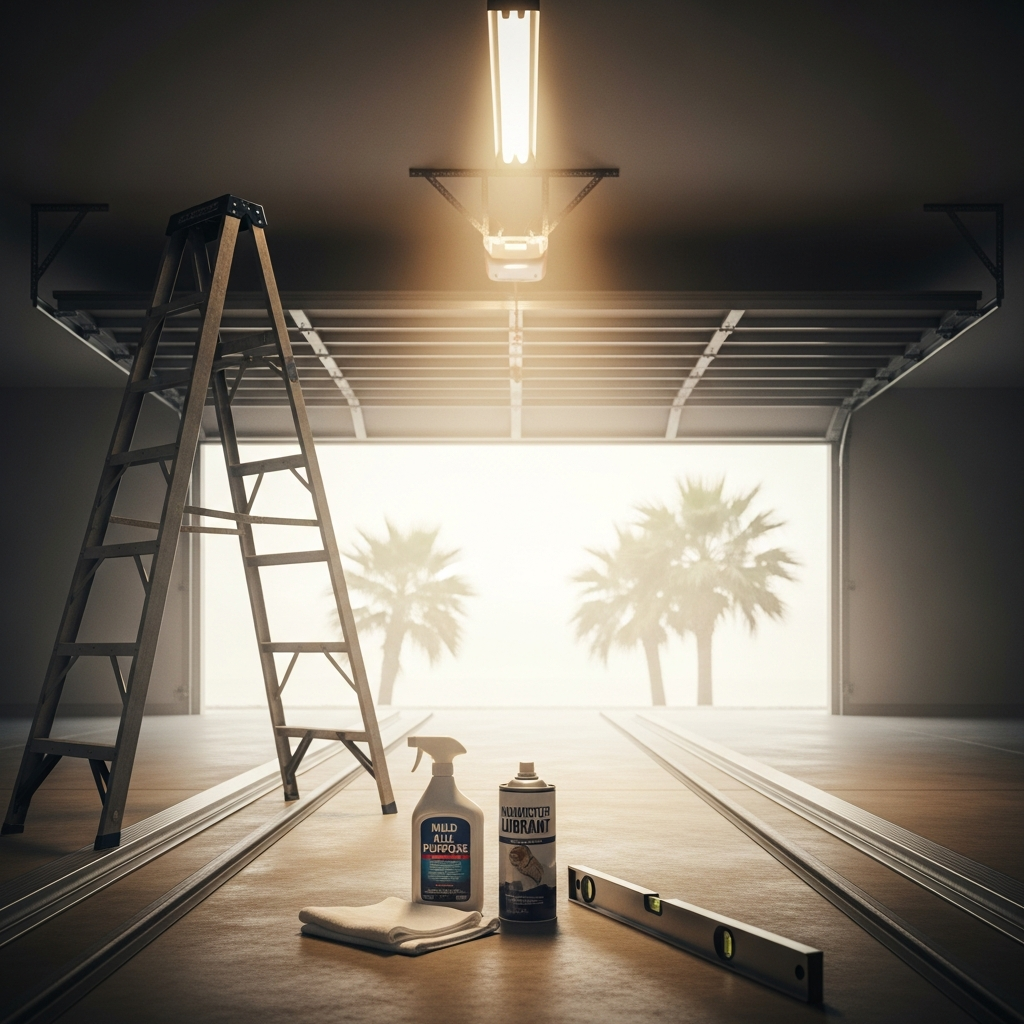
Seasonal maintenance is essential for garage door longevity and safe operation, especially in Palm Beach, Florida where coastal humidity and storm cycles can accelerate wear. A proactive maintenance checklist performed quarterly or seasonally reduces the chance of unexpected failures and keeps your system operating smoothly. This comprehensive checklist covers inspections, cleaning, lubrication, safety testing, and when to call a professional. To see examples of professional maintenance protocols and the types of checks technicians perform, review detailed garage door repair services for reference and context.
Why seasonal maintenance matters
Garage doors are mechanical systems exposed to environmental stress: salt air, humidity, rain, and sun. Seasonal maintenance protects moving parts and structural components from corrosion and damage. Regular inspections catch small problems—loose hardware, frayed cables, or worn rollers—before they escalate into failures that can compromise safety or require more extensive repairs.
Tools and materials you will need
Before starting, gather the basic tools and materials for a safe inspection and maintenance session:
- A clean cloth and mild cleaner for wiping down surfaces.
- Manufacturer-recommended lubricant for moving parts.
- A ladder for accessing higher components safely.
- A level or tape measure for balance checks.
- Safety glasses and gloves for protection.
Always follow safety precautions and avoid DIY repairs involving springs or complex electrical issues.
Quarterly checklist: spring, summer, fall, winter considerations
Schedule maintenance tasks by season to address environmental effects specific to each part of the year:
-
Spring (pre-storm season): Inspect and tighten hardware, check weatherstripping, clean tracks, and ensure safety sensors are aligned and free from debris. Confirm that the bottom seal is intact to prevent water ingress during heavy rains.
-
Summer (humid months): Apply corrosion-resistant lubrication to metal components, inspect for rust or salt buildup, and check the condition of wooden doors for swelling or finish breakdown.
-
Fall (pre-cooler months): Check balance and alignment, inspect cables for fraying, and test the opener’s auto-reverse mechanism. Replace worn weatherstripping to reduce drafts and moisture transfer.
-
Winter (milder Florida winter): While winters are mild in Palm Beach, check seals for cracking due to occasional cold snaps and ensure electronic components remain dry and protected from condensation.
Step-by-step maintenance tasks
Perform the following steps during your seasonal maintenance routine:
-
Visual inspection: Walk around the door and look for dents, cracks, rust, and loose hardware. Note any visible damage for future reference or immediate repair.
-
Clean tracks and rollers: Remove dirt, leaves, and debris from tracks. Avoid heavy solvents; a mild detergent or simple wipe-down is often sufficient. Once cleaned, ensure the tracks are straight and free of obstructions.
-
Lubricate moving parts: Apply a dedicated garage door lubricant to hinges, rollers, springs, and bearings. Avoid lubricant on rubber seals, as this can degrade them over time.
-
Inspect and test safety features: Check photo-eye sensors for alignment and cleanliness, test the auto-reverse by placing an object in the path of the door, and verify that manual release mechanisms function properly.
-
Check balance and spring tension: Disconnect the opener and manually raise the door to the halfway point. If it does not stay in place, arrange for a professional spring adjustment.
-
Examine cables and drums: Look for signs of fraying or corrosion. If cables show wear, contact a licensed technician for replacement, as cable work requires special tools and safety handling.
-
Test the opener: Run the opener through several cycles to listen for unusual noises and observe consistent movement. Address intermittent electrical behavior or overheating immediately with a professional.
-
Inspect weather seals and thresholds: Replace cracked or missing seals to prevent water intrusion and pest entry. Check thresholds for proper contact and fit.
Addressing common seasonal issues
Some issues recur with seasonal change. Rust in the humid months, warping of wood in wet seasons, and alignment problems after storms are common. Address rust with gentle cleaning and protective coatings recommended for the material. For wooden doors, reseal or repaint as needed to protect against moisture penetration. After storms, examine the door for structural damage and secure any loose components immediately.
When to hire a professional
Certain tasks should be delegated to trained technicians, including spring replacement, cable repair, significant track realignment, and opener electrical troubleshooting. Professionals have specialized tools and safety protocols to handle high-risk tasks and can identify less obvious structural concerns that could compromise safety.
Seasonal checklist for professionals
When scheduling a professional inspection, ask them to perform a comprehensive evaluation that includes lubrication, balance checks, hardware tightening, opener diagnostics, and a review of weather seals. Request written recommendations and a maintenance report so you have a record of what was inspected and any items to watch for in future seasons.
Middle-of-guide reminder and helpful resource
If you prefer a professional to conduct seasonal maintenance or need help interpreting inspection results, consult established local garage door repair services to see standard maintenance packages, what technicians typically inspect, and how often service is recommended in coastal climates. This review can help you prepare for a service visit and know what questions to ask.
Protecting your door during extreme weather
Storm straps, reinforced doors, and proper anchoring help protect the opening during severe weather. While full hurricane-rated doors offer the highest protection, simpler measures like securing loose hardware, reinforcing hinges, and ensuring proper sealing can reduce damage during strong weather events. After storms, prioritize safety inspections and avoid operating a visibly damaged door until a technician can assess it.
Recordkeeping and long-term planning
Maintain a log of all maintenance activities including dates, tasks performed, replacement parts, and technician notes. This history helps track recurring issues, supports warranty claims, and provides context for technicians evaluating older systems. Use your records to plan upgrades and replacements proactively rather than reacting to failures.
Frequently asked questions
-
Q: How often should I perform maintenance in a coastal climate? A: Seasonal checks are recommended, with more attention paid before and after storm seasons. Quarterly visual inspections and annual professional maintenance are common best practices.
-
Q: Can I use household oil for lubrication? A: No. Household oils attract dust and grime. Use a lubricant formulated for garage doors and metal moving parts, as recommended by technicians.
-
Q: What should I do if I find a frayed cable? A: Do not operate the door. Contact a professional immediately—cable replacement is a safety-sensitive repair that requires specialized tools and procedures.
-
Q: Do weather seals prevent all water ingress? A: Proper weather seals greatly reduce water ingress, but extreme flooding can overcome seals. Keep drainage around the garage clear and maintain the thresholds for best protection.
-
Q: How can I extend the life of my rollers? A: Choose rollers made from durable materials such as nylon, keep tracks clean, and lubricate bearings as recommended. Replace worn rollers promptly to avoid additional stress on other components.
Final reminders and next steps
Seasonal maintenance is a simple, cost-effective way to protect your garage door system and ensure safe operation year-round. If you prefer professional service or want a thorough inspection this season, contact a reputable local provider or review industry-standard garage door repair services to learn what to expect from a comprehensive maintenance visit. Scheduling routine checks now can prevent emergency repairs later and keep your garage door operating reliably through every season.