
Introduction
Knowing the expected timeline for garage door installation in Palm Beach, Florida, helps homeowners plan logistics and coordinate with contractors. Timelines vary depending on product selection, permit processing, and site conditions. This guide outlines typical phases and provides realistic expectations for each step, helping you manage the project from initial consultation through final inspection. If you want a reliable timeline and local expertise, begin by scheduling an assessment with professional garage door installation to get a precise schedule tailored to your property.
Typical Timeline Overview
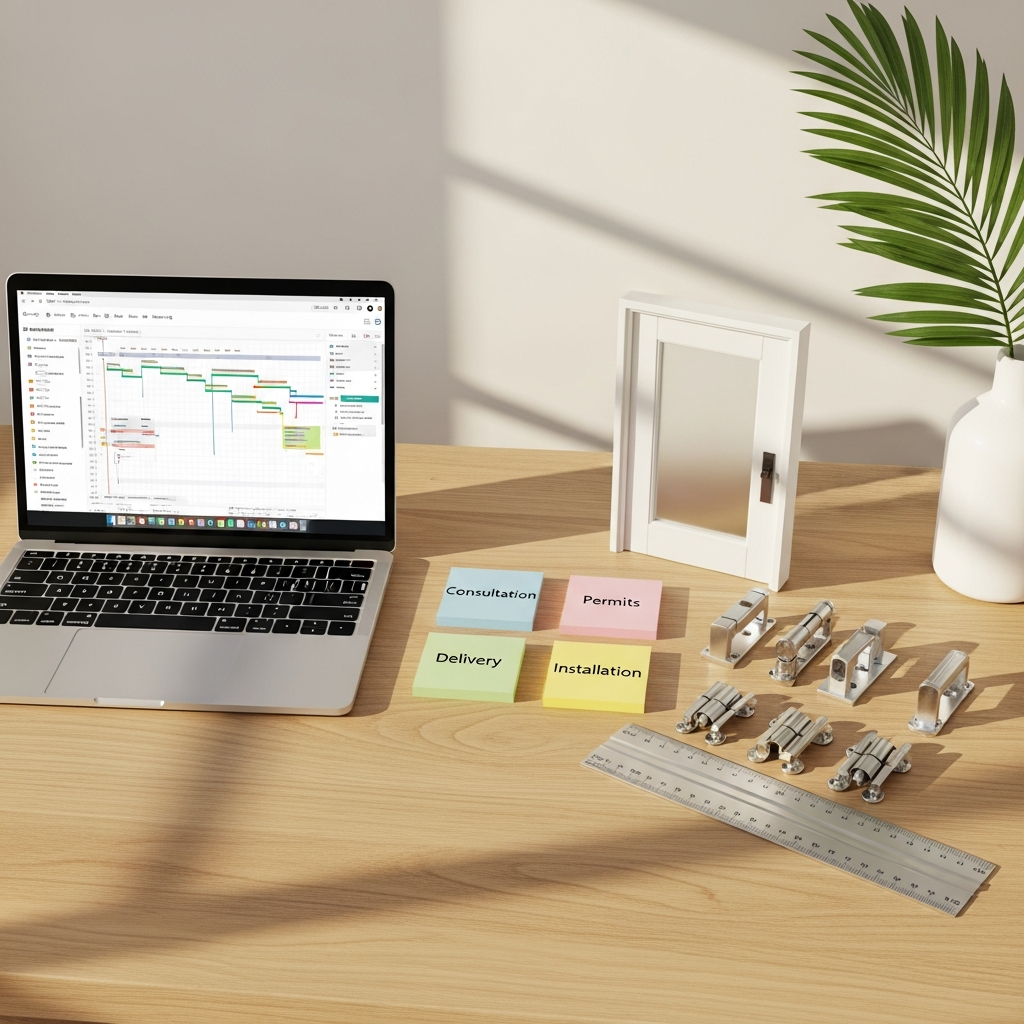
A typical garage door installation project progresses through these main phases: consultation and measurement, product selection and order, permitting, delivery, installation, testing, and final inspection. Each phase has variable durations that influence the overall timeline.
Consultation and measurement: 1-7 days. This depends on scheduling availability and how quickly the homeowner makes decisions.
Product selection and ordering: 3 days to 4 weeks. Off-the-shelf doors may be ready sooner; custom finishes or impact-rated doors can take longer.
Permitting: 1-6 weeks. Local regulatory review times vary across Palm Beach County and municipal jurisdictions.
Delivery and staging: 1-7 days once items are shipped, but shipping times depend on manufacturer lead times and freight schedules.
Installation day: Usually 1 day for standard residential doors; complex projects or structural modifications may extend to multiple days.
Inspection and final handover: 1-14 days depending on inspector availability and whether corrective actions are needed.
Phase 1 — Consultation and Measurements
Initial scheduling and site visits typically occur within a week of first contact, depending on contractor availability. During the consultation, technicians measure the opening, evaluate structural integrity, and discuss design preferences and code requirements.
What to expect: A technician will verify opening dimensions, headroom, and side room, and will note any structural repairs that could affect installation timing.
Decision timeline: After the visit, homeowners often need time to select materials, finishes, and additional options such as insulation or impact glass. Rapid decisions shorten project lead time.
Phase 2 — Ordering and Lead Times
Once product choices are confirmed, the door order is placed. Lead times vary widely by manufacturer, material, customization, and wind-rating requirements.
Stock vs custom: Stock doors and common finishes may ship quickly, while custom paint, wood tones, or specialty windows add scheduling time.
Wind-rated and impact doors: Ordering specific wind-rated components or impact-resistant glass can extend lead times due to manufacturing and safety certification processes.
Phase 3 — Permitting and Approvals
Local permitting often represents the most variable portion of the timeline. Palm Beach County and municipal rules may require documentation of wind-load ratings, installed hardware specifications, and engineered drawings for certain installations.
Permit submission: Contractors typically submit plans and product specs on behalf of homeowners. The review period depends on local office workflow and completeness of the submission.
Inspection scheduling: Some jurisdictions schedule mandatory inspections before or after installation. Delays in inspection scheduling can add time to the project.
Phase 4 — Delivery and Staging
After permits are approved and components shipped, plan for delivery and staging. Crews will verify that all ordered items match the invoice and prepare for assembly.
Receiving and verifying shipment: Inspect packaging and match components to the order. Any missing pieces will need to be sourced before installation.
Climate considerations: In Palm Beach heat, store materials in shaded, dry areas to prevent warping or finish damage prior to installation.
Phase 5 — Installation Day
Most residential door installations are completed in a single day, but multiple variables can extend the work period.
Standard installation: Typically a 4-8 hour process for a standard single or double-car garage door when structural elements are sound and no additional work is needed.
Complex installations: When custom glass, special hardware, or structural repairs are required, installation may span multiple days.
Weather and disruptions: Florida weather, including sudden rain or storms, may necessitate pauses for safety, extending the timeline.
Phase 6 — Testing, Adjustments, and Handover
After mechanical installation, techs perform tests and adjustments to ensure the door functions safely and reliably.
Testing: Auto-reverse, sensor alignment, and balance tests are conducted. The opener is programmed and remote controls tested.
Adjustments: Spring tension and track alignment may require fine-tuning after initial cycles.
Handover: The crew will clean the work area, provide documentation, and demonstrate operation to the homeowner.
Post-Installation Inspections and Follow-Ups
Some projects require final inspections or sign-offs from local building departments. Additionally, a post-installation check by the installer helps catch settling issues and ensures long-term performance.
Building inspection: Schedule and complete any required municipal inspections to close permits. Keep inspection results and documentation with your home records.
Follow-up visit: Many contractors offer a follow-up after a few weeks or months to recheck adjustments and respond to homeowner questions.
Factors that Can Accelerate or Delay the Timeline
Understanding what speeds projects and what causes delays helps you plan realistically.
Accelerators: Choosing in-stock doors, responding quickly to contractor questions, and ensuring clear access to the job site speed the process.
Delays: Custom finishes, back-ordered components, permit review times, structural repairs, and weather can extend project timelines.
FAQ
Q: How quickly can I get an installation scheduled?
A: Availability depends on contractor schedules and product lead times. For in-stock solutions, some contractors can schedule within days; custom orders and permits may take longer.
Q: Will permit delays hold up installation?
A: Contractors sometimes begin preparatory work while permits are pending, but major installation steps usually wait until permits are approved to avoid rework or fines.
Q: What happens if an inspection fails?
A: If an inspection identifies issues, the contractor will address corrections and request a reinspection. This adds time but ensures compliance and safety.
Conclusion and Scheduling Recommendations
A realistic timeline for a garage door installation in Palm Beach depends on many variables, but planning proactively and communicating with your contractor reduces surprises. If you aim to shorten lead times, choose common styles and finishes, coordinate permitting early, and keep the work area accessible. For a clear schedule and professional handling of permits and inspection coordination, consult local experts who manage the process from start to finish.
When you are ready to secure a reliable timeline and professional oversight for your project, reach out to professional garage door installation to request an on-site assessment and receive a customized project schedule.