
Introduction
When a garage door behaves erratically, it interrupts daily routine and raises safety concerns. Palm Beach homeowners face particular challenges such as corrosion, humidity effects, and storm-related damage. Rapid, methodical troubleshooting helps determine whether a simple fix will restore normal operation or a professional repair is needed. For homeowners seeking professional diagnostics and repairs, local experts like garage door service can provide thorough inspections and safe corrective action. This guide walks you through step-by-step troubleshooting for common door problems with safety tips and repair pathways tailored to Florida conditions.
Safety and Initial Checks
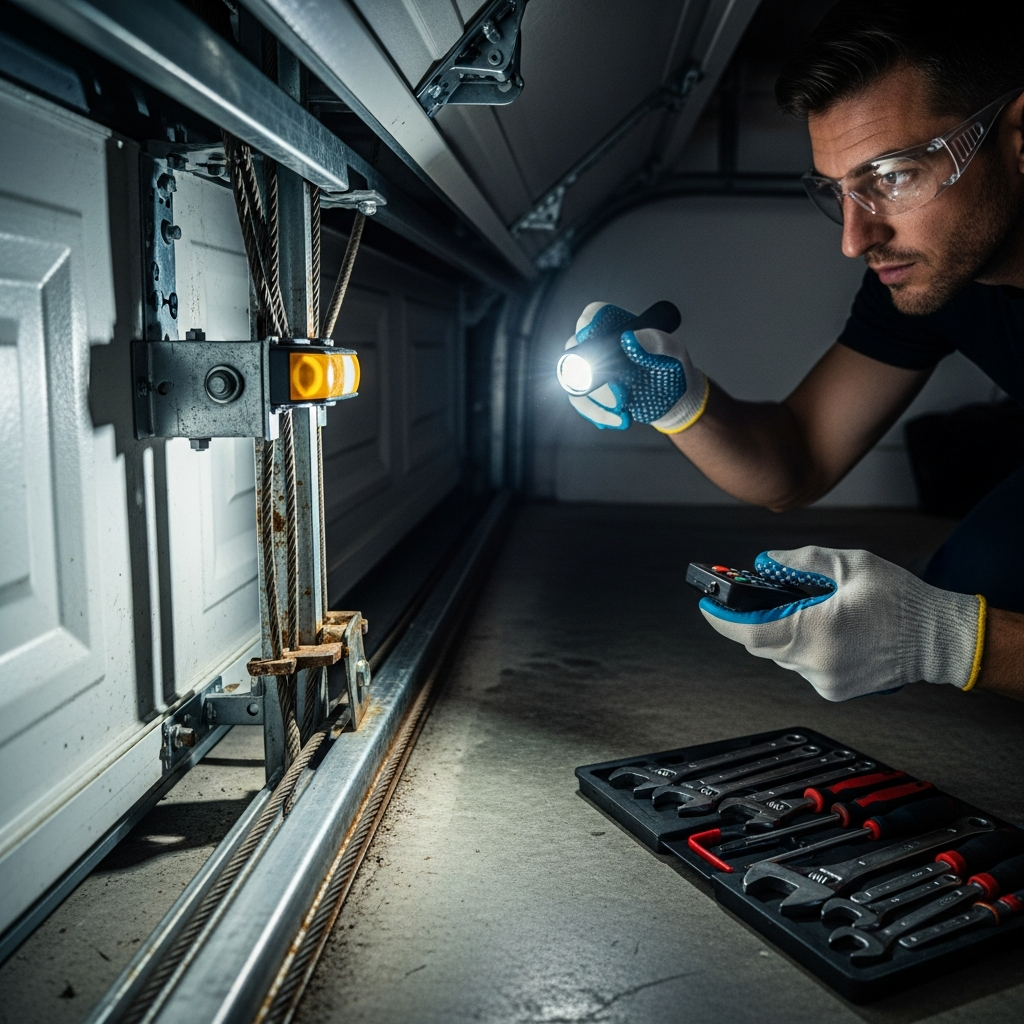
Begin troubleshooting with safety as the top priority. Always disconnect the opener before working on mechanical parts and wear protective gear. Check for obvious hazards: broken glass, exposed cables, or visibly snapped springs. If a spring is broken, do not attempt a repair; call a trained technician immediately.
Problem: Door Won’t Open or Close
Start with these steps to isolate the cause:
- Check power: Ensure the opener is plugged in and the circuit breaker is on. Replace remote batteries and test the wall control.
- Inspect safety sensors: Clean the lens with a soft cloth. Verify the alignment lights are on and unobstructed.
- Look for obstructions: Check the tracks and floor for debris or objects blocking movement.
- Test manual operation: Pull the emergency release and try to operate the door manually. If the door is hard to move, springs may be broken or the door may be off-balance.
Problem: Door Reverses Unexpectedly
If a door reverses while closing without contact, investigate these common causes:
- Sensor misalignment or light blockage — clean and realign sensors.
- Excessive travel or force settings on the opener; reduce sensitivity slightly per manufacturer instructions.
- Damaged bottom seal or threshold interference causing premature contact sensor activation.
Problem: Loud Noises During Operation
Unusual sounds often point to mechanical wear. Follow this troubleshooting path:
- Identify where the noise originates — rollers, hinges, springs, or opener.
- Inspect rollers for pitting or broken balls; replace worn rollers.
- Lubricate hinges, bearings, and rollers with recommended garage door lubricant.
- Check for loose hardware or bent tracks; tighten bolts and straighten minor track imperfections carefully.
Problem: Door Is Off-Track
An off-track door is a serious issue. Do not operate the opener. Troubleshoot as follows:
- Disconnect the automatic opener and manually lift the door to assess which rollers are off track.
- Examine the track for dents or obstacles. Use a rubber mallet to gently work small deformations back into alignment if safe to do so.
- If rollers or brackets are broken, replace them before attempting to operate the door again.
- For significant track damage, call a professional to realign or replace track sections safely.
Problem: Remote Only Works at Short Range or Not at All
Short range remote issues are often simple to resolve:
- Replace the remote battery and test reception at varying distances.
- Check the opener’s antenna and ensure it’s pointing downward and unobstructed.
- Reduce interference from nearby devices that may operate on similar frequencies and reprogram remotes if required.
Problem: Door Appears Uneven or Sagging
If the panels do not line up evenly when closed, inspect these areas:
- Check for broken or stretched cables on one side which can cause uneven tension.
- Inspect spring tension and look for gaps in coils or signs of wear. Replace springs with professional help if needed.
- Confirm track alignment and roller condition; replace rollers or straighten tracks as required.
Electrical and Opener Diagnostics
Opener malfunctions may manifest as non-responsive units, intermittent captures, or motor strain noises. Troubleshooting tips:
- Check power and ensure the unit is freshly connected. Test other devices on the same circuit to rule out wiring or breaker issues.
- Listen for the motor sound. A humming motor with no drum movement may indicate a stripped gear in the gearbox (often a nylon gear). These are replaceable but require partial disassembly of the opener.
- For smart openers, check LED diagnostic codes and the manufacturer’s troubleshooting chart to identify specific error conditions.
Addressing Corrosion and Salt Damage
Salt-laden air accelerates rust on hardware, which leads to stiff movement and potential failure. Mitigation steps include:
- Regular cleaning of metal surfaces to remove salt deposits using mild detergent and fresh water.
- Applying protective sprays or replacing hardware with stainless steel replacements where possible.
- Implementing more frequent lubrication schedules to combat salt abrasiveness.
Tools and Quick Fixes
Keep a basic troubleshooting kit on hand for quick diagnostics and minor fixes:
- Multimeter for electrical checks
- Socket set and screwdrivers for tightening hardware
- Replacement batteries for remotes
- Silicone lubricant and clean rags
- Clamp or vice grips to hold the door during adjustments
When Troubleshooting Turns into Repair
Some diagnostics reveal issues that require more than quick fixes — such as broken springs, damaged torsion assemblies, or severe track misalignment. These conditions require trained technicians who understand the energy constraints and the correct replacement procedures. If a repair seems beyond your skill level or involves dangerous parts, schedule service with a reputable professional who carries appropriate replacement parts and insurance.
Preventive Measures to Avoid Troubleshooting Emergencies
Prevention reduces interruptions. Implement these proactive measures:
- Adopt a maintenance schedule with monthly inspections and semi-annual lubrication.
- Replace worn rollers and hardware before they fail.
- Schedule annual professional tune-ups and balance checks to keep springs and cables in optimal condition.
Frequently Asked Questions
How can I tell if a spring is about to break?
Look for gaps in torsion springs, visible rust, and changes in door balance. If the door suddenly becomes heavier to lift manually or springs show wear, have a professional inspect and replace them.
Can a sagging door be fixed without replacing springs?
Sagging often indicates spring or cable issues. Minor cable tension adjustments might help, but spring replacement is frequently the correct solution. A technician can assess and recommend the safest action.
Why does the opener hum but not operate?
Humming with no motion often indicates a motor or gear issue inside the opener. It may need gearbox repair or motor replacement — consult a trained technician for safe diagnosis and repair.
How often should I schedule professional maintenance?
Annual professional maintenance is recommended, with more frequent checks in coastal climates. Quarterly or semi-annual inspections may be appropriate for older doors or those exposed to corrosive conditions.
Final Recommendations and Next Steps
Methodical troubleshooting helps isolate problems quickly and determine whether a DIY fix or professional service is required. Keep a regular maintenance routine to minimize emergency repairs, and document any recurring issues. For professional diagnostics, repair, or preventative maintenance tailored to Palm Beach conditions, contact a local specialist with experience in coastal challenges and garage door safety. For trusted service and expert solutions, reach out to a provider who can perform detailed inspections and safe repairs. Schedule an assessment or request on-site diagnostics with experienced technicians at garage door service.
Service Scheduling Advice
If you encounter any alarm signs such as broken springs, visibly damaged tracks, or unsafe electrical behavior, stop using the door and schedule a service visit promptly. Early professional intervention prevents accidents and preserves the entire door system’s function and longevity in Palm Beach’s challenging environment.