
A Step-by-Step Guide to Garage Door Repair in Palm Beach
When a garage door malfunctions, understanding the repair process helps homeowners in Palm Beach, Florida set realistic expectations and make informed decisions. This step-by-step guide walks you through the entire repair experience, from initial call to final testing and maintenance recommendations. For fast and reliable service performed by experienced technicians, consider contacting a local provider who can assess and repair issues promptly, such as professional garage door repair services.
This guide covers diagnostic checklists, safety precautions, common repairs, and what to ask your technician. Whether you are dealing with an unresponsive opener, snapped spring, or misaligned track, following a clear process ensures a safe, efficient outcome. Let’s break the procedure down so you know what to expect during each stage of the repair.
Initial Contact and Dispatch
The repair process typically begins with a call or online request. Be prepared to provide:
– A brief description of the problem (e.g., “door won’t close,” “loud noise,” “door stuck halfway”).
– The make and model of the opener and any recent maintenance history.
– Preferred availability or urgent timeframes if the issue is an emergency.
Dispatchers use this information to allocate an appropriate technician and may provide an arrival window. If possible, take photos or video of the issue; this helps technicians bring the right parts on their first visit.
Arrival and Preliminary Inspection
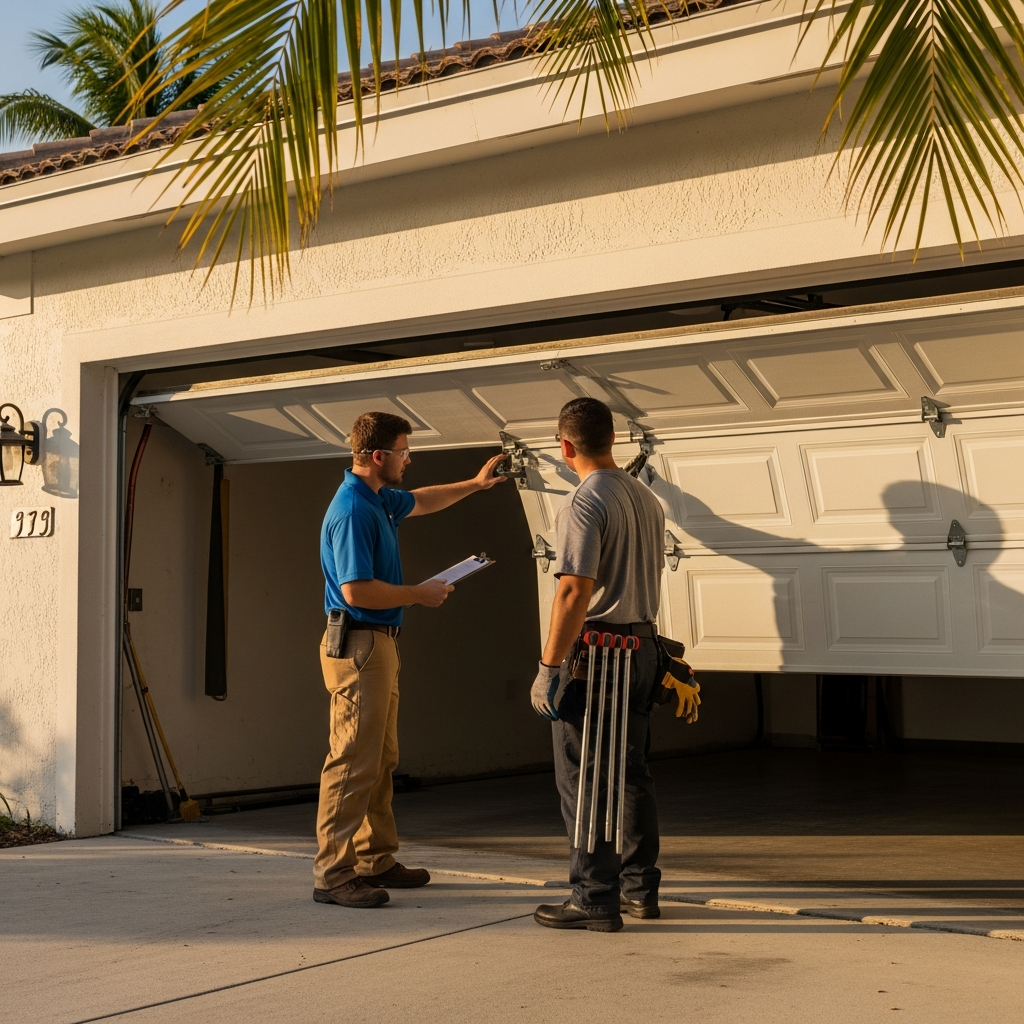
On arrival, the technician conducts an initial visual inspection and safety assessment. They look for signs of component failure, corrosion, and structural issues. The technician will check springs, cables, tracks, rollers, hinges, opener mounting, and sensors. During this evaluation, they will communicate immediate safety concerns and outline possible repair steps.
Detailed Diagnosis
After the initial inspection, a more detailed diagnosis identifies root causes. For example, if the door is sagging on one side, the technician assesses spring tension, cable integrity, and roller condition. If the opener runs but doesn’t move the door, the motor, drive system, and limit settings are examined. A clear diagnosis allows the technician to recommend targeted repairs rather than guesswork.
Quotation and Authorization
Once the problem is diagnosed, the technician explains recommended repairs, parts needed, and an estimated time to complete the work. At this point you can ask about parts brands, warranty coverage, and alternatives such as urgent temporary fixes versus full replacement. When you authorize the repair, the technician will begin work immediately if parts are in stock.
Safety Measures Before Repair
Safety is paramount when working with garage doors due to the high tension in springs and the potential for heavy moving parts. Technicians secure the door to prevent unexpected movement, disconnect power when working on electrical components, and use appropriate tensioning tools for springs. They will advise you to keep clear and may explain temporary safety steps to protect family members and pets during the repair.
Execution of Repairs
Technicians perform repairs according to industry standards and manufacturer specifications. Common tasks include:
– Replacing broken torsion or extension springs and resetting tension properly.
– Replacing or reattaching lift cables and spooling them correctly.
– Aligning and adjusting tracks, replacing rollers, and lubricating moving parts.
– Repairing or replacing opener components like circuit boards, gears, belts, or chains, and resetting travel limits.
– Replacing worn hinges, weather seals, or damaged panels and ensuring the door balance is correct.
Testing and Calibration
After repairs, technicians test the door through several open and close cycles to ensure smooth operation and proper alignment of the safety sensor beams. They will check force settings on the opener to prevent the door from closing against an obstruction and verify that auto-reverse mechanisms function correctly. The goal is reliable operation without unexpected reversals or excessive force.
Walk-Through and Education
Technicians typically perform a walk-through with the homeowner, explaining what was repaired, how to operate the system safely, and any next steps for maintenance. This is a good time to ask about recommended maintenance schedules, replacement part lifespans, and whether any further upgrades would improve safety or convenience.
Documentation and Warranty
Reputable providers document the work performed and provide warranty information for parts and labor. Keep this documentation for future reference; it is helpful if additional issues arise or if you later opt for upgrades or replacement. A solid warranty reflects confidence in workmanship and gives homeowners peace of mind.
Follow-Up and Maintenance Recommendations
After completing repairs, technicians often suggest preventive maintenance to extend the life of parts and reduce the need for emergency repairs. Typical recommendations include a professional inspection annually, lubrication of moving parts every six months, and immediate attention to unusual noises. In some cases, replacing aging components proactively can avoid inconvenient failures later.
Elements Unique to Palm Beach Homes
Palm Beach climates expose garage doors to high humidity and salt-air corrosion, which accelerates wear on metal components. Technicians in the area often recommend stainless or galvanized hardware and corrosion-resistant finishes to extend parts life. Wind-load considerations are also common near the coast; ensure your door and mounting meet local building codes for wind resistance if you live in a high-wind zone.
Common Repair Scenarios and Solutions
Understanding typical scenarios helps set expectations for repair time and complexity:
– Broken spring: Requires careful removal of the broken spring and replacement with the correct torsion or extension spring, including precise tensioning and balance testing.
– Off-track door: Track realignment and roller replacement are necessary; damaged tracks may need section replacement.
– Non-responsive opener: Diagnosis may reveal electrical faults, limit switch issues, or motor failure; solutions range from adjustments to complete opener replacement.
– Sensor alignment issues: Cleaning and realignment of photo-eye sensors restore safe closing functionality.
Costs and Options (What to Ask About)
While this guide does not discuss prices, it is helpful to ask technicians about parts warranties, labor guarantees, and whether aftermarket parts are used. Request clear explanations of why a specific repair is recommended and whether a short-term fix or full replacement is more appropriate for your situation.
When to Consider Full Replacement
Replacement is advisable when the door or opener is repeatedly failing, is past its expected lifespan, or has sustained structural damage. Upgrading a garage door can improve energy efficiency, safety features, and home value. A technician can advise whether repairs will restore reliable function or whether replacement better serves long-term needs.
Middle-Stage Considerations: Upgrades and Enhancements
During a repair, homeowners often weigh the benefits of upgrades such as quieter belt-driven openers, smart controls for remote monitoring, or reinforced panels for wind resistance. A technician can often install upgrades during the same visit if parts are available or schedule a follow-up installation when required. For tailored recommendations suited to Palm Beach homes, consult a local expert familiar with climate and building code considerations and the types of upgrades that offer the best value.
Whether you need a minor adjustment or a major overhaul, working with experienced professionals ensures the repair process is safe and efficient. If you prefer immediate professional assessment, trusted local technicians offering step-by-step repair services can provide timely help and transparent communication about the work needed, such as those offering professional garage door repair services.
FAQ
Q: How long does a typical repair visit take?
A: Repair times vary by issue. Simple adjustments and sensor alignments may take under an hour; spring replacement and major repairs can take several hours.
Q: Is it safe to attempt DIY repairs?
A: DIY repairs are not recommended for springs, cables, or any high-tension component. These require professional tools and training to avoid serious injury.
Q: How often should I schedule maintenance?
A: A professional inspection once a year and regular homeowner checks every few months keep the system in good working order.
Final Steps
A professional, transparent repair process reduces stress and restores functionality efficiently. Keep clear records of service, perform recommended maintenance, and contact a local professional when problems arise. If you need step-by-step guidance or fast service in Palm Beach, reach out to qualified technicians who can diagnose and repair your garage door system quickly and safely. For reliable support and professional repair service, contact experienced providers who understand Palm Beach conditions and can deliver dependable results. If you are ready to schedule service, connect with local experts available to assist now via professional garage door repair services.
Closing Advice
Proactive maintenance and choosing experienced technicians are the best ways to avoid unexpected failures. When repairs are needed, a clear process—from diagnosis to testing—ensures safe, reliable outcomes. Keep a trusted provider on speed dial so you can act quickly when problems occur and maintain the safety and convenience of your garage door system.