
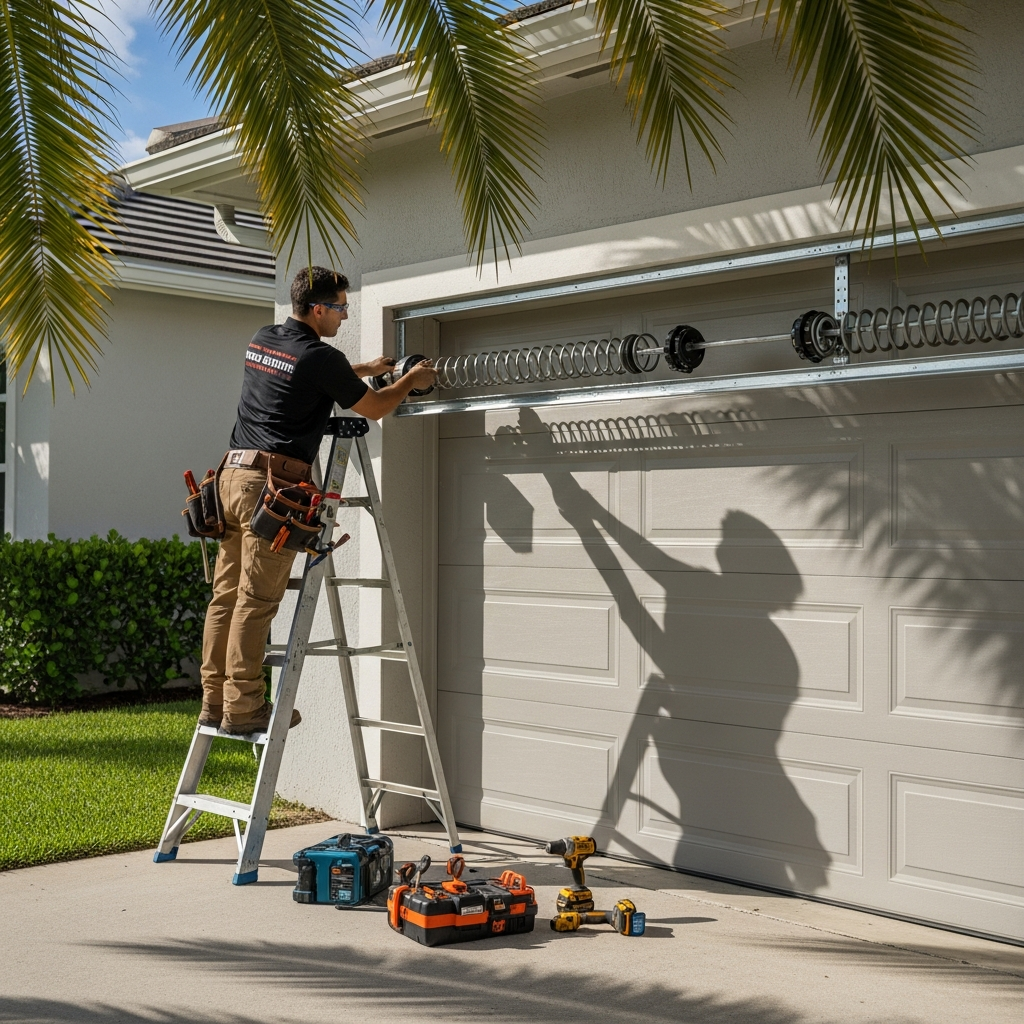
Replacing a garage door in Palm Beach, Florida, requires planning, knowledge of materials and local conditions, and a clear step-by-step approach to ensure safety, code compliance, and long-term performance. Whether you are preparing for a full system upgrade or simply want to modernize the look and function of your home, understanding the replacement workflow will make the project smoother. If you are considering professional services, learn more about garage door replacement options that are available to Palm Beach homeowners and how the process typically unfolds.
Why a methodical replacement process matters
Garage doors are large moving assemblies that affect curb appeal, home security, and energy efficiency. A methodical replacement ensures that each component is compatible with the others: the door panels, track system, springs, opener, and weather sealing all interact mechanically and structurally. In Palm Beach, environmental factors such as salt air and humidity influence material choices and finish selections. A comprehensive step-by-step approach reduces the chance of callbacks, extends service life, and keeps the installation compliant with local building codes and wind-load requirements where applicable.
Preparing for the project
Preparation begins well before any tools are delivered to the driveway. Start by documenting the existing conditions: measure the opening height and width, note the type of door (sectional, roll-up, tilt-up), and inspect the frame, trim, and adjacent structures for signs of damage or rot. An accurate inventory of the existing hardware will help determine what can be reused and what must be replaced. During this stage, decide on the desired aesthetic and performance goals: insulated vs. non-insulated panels, window placement, color, and whether you want to upgrade to a smart opener. Taking time to plan reduces surprises once the removal starts.
Step-by-step replacement process
1. Site preparation and safety checks. Clear the area in and around the garage. Ensure vehicles are moved and that the workspace is free of obstructions. Confirm power is available if power tools and an electric opener are to be installed. Establish fall zones and secure the work area to keep family members and pets safe.
2. Disconnect and remove the old door and opener. If an existing opener is present, disconnect power and remove the unit following the manufacturer’s safe disconnection procedures. Carefully lower and disassemble the old door, releasing spring tension in a controlled manner to avoid injury. Recycle or dispose of materials responsibly, separating metal from composite and non-recyclable waste.
3. Inspect and repair the opening and framing. Once the old door is out, evaluate the condition of the jambs, framing, and header. Repair any rot, replace damaged trim, and ensure the header can carry the load of the new track and spring system. Any structural repairs should be completed now to provide a stable foundation for the new installation.
4. Select and assemble the new door. If using sectional panels, assemble any hardware that needs pre-attaching such as hinges and rollers according to manufacturer instructions. For large doors, partial assembly on the ground may be required before lifting sections into place.
5. Install tracks, springs, and counterbalance system. Proper placement of the tracks and precise calibration of springs are critical for smooth operation. Follow installation guidelines for spring tension and balance testing. In Palm Beach, consider corrosion-resistant springs or coatings to extend component life in coastal environments.
6. Hang the door and test for balance. With the tracks and springs set, hang panels sequentially, check alignment, and perform manual lifts to test balance. A properly balanced door stays in place when partially opened and moves with minimal friction and no binding points.
7. Install and configure the opener. Mount the opener to secure structural points, align the drive system, and program travel limits and auto-reverse safety features. Connect safety sensors and verify functionality with the door’s movement at multiple speeds.
8. Weatherproof and finish. Install bottom seals, jamb weatherstrips, and any threshold pieces. Apply any required touch-up finishes and clean the work area. Provide operational training to the homeowner on manual operation, routine checks, and remote usage.
Material choices and local considerations
Choosing the right materials matters for durability and performance in Palm Beach. Aluminum and steel are common for modern doors; steel offers strength and security while aluminum provides a lightweight option that resists rust if properly treated. Fiberglass and composite panels are alternatives that perform well against moisture, and wood remains popular for its aesthetic, though it requires more maintenance. When selecting insulation, consider R-value goals and the benefits of reduced noise and improved thermal performance. Local climate and coastal exposure may push homeowners toward corrosion-resistant hardware, stainless steel fasteners, and powdered-coated finishes to prolong lifespan.
Hiring professionals vs. DIY
Some competent homeowners may attempt a replacement, but garage door systems contain high-tension springs and heavy panels that increase the risk of serious injury if handled incorrectly. Hiring a licensed garage door contractor in Palm Beach offers advantages: knowledge of local codes, access to commercial-grade tools, and warranty-backed installations. If you hire professionals, verify experience with the chosen door type, request references or a gallery of past installations, and confirm they carry liability insurance. If you intend to do parts of the project yourself, limit DIY tasks to non-structural work such as painting or cosmetic finishing while leaving spring and opener installation to pros.
Middle-stage checklist: inspection and testing
Midway through the installation, several tests and inspections confirm the project trajectory is correct. Ensure the door is square in the opening, the tracks are plumb, and rollers move freely. Test the auto-reverse feature by placing an object in the door’s path during a close cycle; the door should stop and reverse. Check the balance by disconnecting the opener and lifting the door manually—an evenly balanced door will stay partially open and be easy to raise or lower. Verify all fasteners are tightened to manufacturer specifications and that any local building inspections are scheduled if required.
During this phase, it can be useful to revisit options such as upgrade accessories or different opener types. If remote management or smart home integration is a priority, ensure the selected opener supports the necessary features. A considered mid-project review avoids last-minute changes that could delay the completion.
Finishing touches and homeowner orientation
After mechanical installation is complete, seal gaps and install trim for a finished look. Show the homeowner how to operate manual release, explain safety precautions, and provide a maintenance schedule for spring lubrication, roller inspection, and weather seal replacement. Keep a record of the installed parts, serial numbers, and warranty details. A clear orientation helps homeowners know what to look for between professional service visits and how to react in the event of a malfunction.
Maintenance recommendations specific to Palm Beach
Salt air and humidity in Palm Beach can accelerate corrosion and wear. To mitigate this, schedule inspections every 12 months, ideally before the high humidity season and again before any storm season. Wipe down exposed hardware, rinse off salt residues, and apply corrosion-inhibiting lubricants to moving parts. Replace worn seals to prevent moisture intrusion, and consider more frequent checks of the opener’s electronics to catch any moisture-related issues early.
Common challenges and troubleshooting
Common replacement challenges include unexpected rot in the frame, mis-measured openings that require door reorder, and difficulty calibrating tension on older structures. If corrosion or rot is discovered, address the wood or structural problems before proceeding to avoid repeated failures. If the door binds or tracks rub after installation, it usually indicates alignment issues that require minor adjustments. Noisy operation often traces back to worn rollers or lack of lubrication; upgrading to nylon rollers reduces noise and may extend component life.
Energy efficiency and comfort improvements
Modern doors offer improved insulation options that reduce heat transfer and limit humidity exchange between the garage and living spaces. Proper insulation paired with airtight seals can help stabilize temperatures in attached garages and protect stored belongings. Insulation also helps reduce strain on HVAC systems for homes with conditioned spaces adjacent to the garage. When planning a replacement, consider insulated panels or retrofit insulation kits if you aim to improve overall home comfort.
Frequently Asked Questions
How long does a garage door replacement typically take? The timeline depends on complexity, but a straightforward replacement usually completes in one day when performed by experienced technicians. Factors that extend the job include structural repairs, custom door fabrication, or required building inspections.
Do I need a permit for garage door replacement in Palm Beach? Permit requirements vary by municipality and the scope of the work. Structural changes or alterations to the header or framing typically require permits. Always check local building department regulations and use licensed contractors who can advise on permit needs.
Can I reuse my old opener? Sometimes an opener can be reused if it is compatible with the new door’s weight and travel. However, many homeowners opt to upgrade to modern openers for improved safety features and smart home connectivity.
What maintenance should be done after replacement? Regular maintenance includes lubricating moving parts, inspecting springs and cables, tightening hardware, and replacing weather seals as needed. Annual inspections by a professional can catch issues early.
Is an insulated door necessary in Florida? Insulation is not strictly necessary but provides benefits, especially if the garage is attached to the living space or used as a workshop. Insulation helps with temperature moderation and reduces noise transmission.
Final steps: warranties and documentation
Collect warranty documents for the door, springs, rollers, and opener. Maintain contact information for the installing contractor and keep an installation checklist documenting settings and calibration values. Warranties often require periodic maintenance to remain valid, so follow any manufacturer-recommended schedules closely.
Schedule your replacement with confidence
Replacing a garage door in Palm Beach is a project that benefits from planning, local knowledge, and attention to detail. If you are ready to move forward, consider professional assistance to ensure a safe, code-compliant installation that enhances your home’s curb appeal, security, and performance. For homeowners looking for experienced local installers and a clear replacement pathway, explore trusted options such as garage door replacement and get guidance tailored to Palm Beach conditions.
Ready to move forward?
If you want personalized advice, a site inspection, or a full installation plan, contact local specialists who understand coastal considerations and code compliance. Professional teams can provide timelines, installation checklists, and post-installation maintenance plans to protect your investment. When you’re prepared to begin, reach out to schedule an assessment and start the replacement process with confidence by visiting garage door replacement.