Understanding What Shapes the Total Investment
Planning a residential garage door installation in Palm Beach County involves more than picking a style you love. The final outlay is influenced by a web of decisions: the material you choose, the performance features you prioritize, coastal code requirements, and the caliber of professional workmanship that brings it all together. If you are just starting to explore options, an early conversation with a trusted local provider for garage door installation can help you define goals and avoid missteps that add time or complexity later.
While homeowners often begin with aesthetics, the most impactful choices are rarely surface-level. In South Florida’s wind-borne debris region, a door’s structural rating and compliance documentation can be as important as color or panel design. Add in considerations like insulation, opener technology, and long-term maintenance, and it becomes clear why a thoughtful plan is essential.
This guide breaks down the major elements that shape the overall investment for a residential garage door in Palm Beach County—without discussing specific prices. You will learn how product choices, installation conditions, safety codes, and service scope interact. By the end, you will be equipped to make confident, value-driven decisions tailored to your home and lifestyle.
Local Codes and Wind Ratings
In Palm Beach County, your garage door must meet strict wind-load standards. Product approvals, engineering details, and the door’s reinforcement system are non-negotiable. Homeowners should confirm the door’s Florida Product Approval or comparable documentation and verify that the rated pressures match their property’s exposure category and location. The right door will integrate reinforced tracks, heavier-gauge hardware, and bracing designed to resist uplift and lateral loads during major storms.
These requirements affect the product selection process and the overall scope of installation. Expect the project to include robust fastening schedules, longer anchors into structural members, and careful verification of jamb and header integrity. In many cases, a professional assessment will document substrate conditions and recommend reinforcement or repair, especially on older homes or coastal structures exposed to salt and humidity.
Door Materials and Their Long-Term Implications
Material is one of the biggest determinants of longevity and performance. Steel doors are popular for their durability and broad design availability. They often feature multi-layer construction that can encapsulate insulation, improving thermal performance and noise control. Aluminum doors provide contemporary styling and can handle large door widths with less weight, though they may require more frequent maintenance to keep a pristine finish in salty air.
Composite and fiberglass-faced doors offer excellent resilience and can mimic wood grain without the upkeep of natural wood. Real wood doors remain a design favorite for certain architectural styles, but homeowners should factor in the periodic maintenance needed to keep them weather-resistant and beautiful under Florida sun and rain. Finally, specialty doors with impact-rated glazing can flood garages with natural light while still meeting wind requirements, but they require careful specification to ensure code compliance.
Insulation, Climate, and Energy Comfort
Insulation influences comfort, noise, and even how your attached living space performs. In South Florida’s heat, a well-insulated garage door can reduce heat transfer into the home, protect stored goods, and make hobby or fitness spaces more usable year-round. Pay attention to construction techniques—such as polystyrene vs. polyurethane foams—because denser foams can yield more rigidity and better thermal resistance in the same panel thickness. Weather seals, bottom astragals, and perimeter trim also contribute to performance, especially during wind-driven rain events.
Think beyond R-values. Consider how the garage functions in your daily life. If it doubles as a workshop, music space, or mudroom transition, improved sound attenuation and climate moderation may justify a higher-performing door construction. On the other hand, if the garage primarily serves as parking and storage, you might prioritize durable finishes and practical design features.
Size, Configuration, and Opening Conditions
Single-car, double-car, and custom-height doors each have different structural and hardware demands. Extra-wide or tall doors can necessitate heavier torsion springs, beefier tracks, and reinforced struts across the span to prevent panel deflection. Low headroom or odd-size openings can require specialized hardware kits and additional time for precise adjustments.
Existing framing matters. If the opening’s wood members are compromised by moisture or pests, the installer may recommend repair or replacement to ensure safe anchoring. Concrete conditions also matter: cracked or spalled surfaces may need remediation to properly secure bottom brackets and tracks. These preliminary readiness items are part of a safe, code-compliant installation and should be anticipated when planning.
Style, Finish, and Glazing Choices
From classic carriage-house motifs to sleek modern minimalism, styling choices let you harmonize your garage door with the home’s architecture. Embossed panels, recessed or raised designs, and decorative hardware can transform curb appeal. Consider finish durability in coastal conditions; factory-applied coatings with robust UV protection make upkeep easier.
Glazing configurations—from small accent lites to full-view designs—dramatically affect daylight and privacy. Impact-rated glass and laminated options deliver security and storm resilience. Obscure or frosted glass can preserve privacy while brightening interiors. Each of these features introduces its own hardware and framing requirements, which the installer will account for during specification and setup.
Openers, Drive Types, and Smart Features
Your opener is the muscle and the brain behind daily operation. Chain-drive systems are workhorse solutions, while belt-drive units run quieter—useful when bedrooms sit above or beside the garage. Direct-drive and wall-mount systems reduce vibration and free up overhead space, which is helpful for tall vehicles or storage racks.
Smart connectivity brings remote monitoring, app-based control, and guest access management. Battery backup increases resilience during outages, and integrated LED lighting improves safety when arriving home at night. Adding these capabilities can change wiring needs, accessory placement, and fine-tuning during installation. If you rely on home automation, verify compatibility with your ecosystem and discuss accessory placement for optimal Wi-Fi or Bluetooth performance.
Hardware, Springs, and Safety
The hardware package is central to smooth, long-lasting operation. Torsion springs are calibrated to your door’s exact weight and dimensions; proper balancing minimizes opener strain and extends component life. High-cycle springs are advisable for households with frequent door use. Quality rollers, sturdy hinges, and true-tracking rails reduce noise and wear.
Photo-eyes, force settings, and auto-reversal features are essential safety elements. A professional installer will test these functions, align sensors, and confirm the door’s balance so it stays where it is placed when disconnected from the opener. That balance test is a key indicator of a safe, efficient system.
Permitting and Documentation
Permits are often required for residential garage doors in Palm Beach County, especially where wind-load compliance is concerned. Expect the contractor to gather product approvals, prepare drawings or specifications as needed, and coordinate inspections. The documentation protects you by ensuring the door matches local standards and is installed to a recognized fastening schedule.
Keep records organized: the permit card, approvals, and any signed inspection reports should be retained for future real estate transactions or insurance audits. Should you need post-storm verification, having a tidy folder with the door’s details makes the process faster and clearer.
Site Preparation and Existing Conditions
Every project begins with an assessment of the garage structure. Installers evaluate jambs, headers, and sidewalls, checking for plumb and level. They review electrical supply for the opener, confirm ceiling obstructions, and evaluate clearance for vehicles and storage. If the home has finished interiors, installers may use protection methods to minimize dust and scuffs, and they will plan the removal and disposal of the old door and hardware.
Special conditions—like sloped driveways, uneven slabs, or tight property lines—can require creative solutions. Bottom seals and threshold options can compensate for minor slab irregularities to improve weather resistance and reduce pests. When necessary, the team may recommend concrete work or carpentry to correct foundational issues before installation proceeds.
Project Scope and Professional Expertise
There is a tangible difference between a basic swap and a comprehensive project that upgrades hardware, controls, and weather protection. Scope choices—new tracks vs. reusing existing, high-cycle springs vs. standard, smart opener vs. conventional—shape the overall investment and performance outcome. A licensed, insured, and locally experienced installer is equipped to recommend packages that match your usage patterns and the home’s structure.
In Palm Beach County, coastal experience is particularly valuable. Salt air, humidity, and storm risk all influence material selection and maintenance intervals. Professionals who understand these variables can improve reliability and reduce surprises over the life of the door.
Mid-Project Decisions and Change Management
Even with careful planning, you may refine choices midstream—changing window configurations, hardware finishes, or smart accessories. A well-run project documents these updates so inspections, product approvals, and balance calculations remain accurate. Good communication keeps timelines predictable and ensures your final door matches what was envisioned.
If you are weighing a stylistic change or an opener upgrade, pause to consider how each shift interacts with wind-load requirements and installation logistics. When in doubt, reference the original specification sheet and ask your installer to confirm any impacts before proceeding. During this stage, a reputable provider of garage door installation can help you evaluate pros and cons with your property’s code zone in mind.
Timeline Planning and Household Disruption
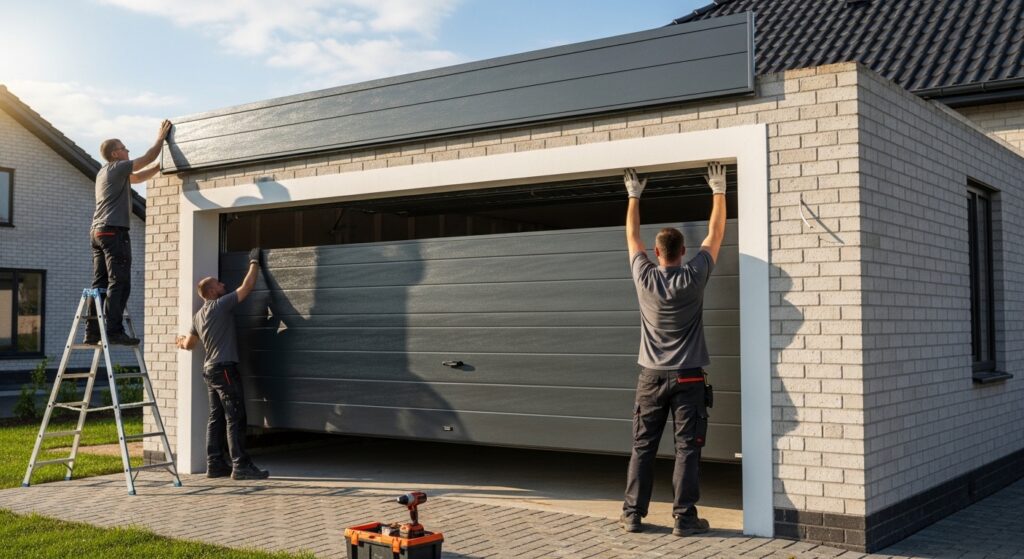
From initial consultation to final inspection, residential garage door projects follow a predictable arc. Lead times vary based on material and customization. The removal and installation phase typically compresses into a short on-site window, during which access to the garage is limited. Clear the area around the opening, secure pets, and park vehicles accordingly to streamline the process.
Expect a detailed walkthrough upon completion. Your installer will demonstrate manual release operation, test safety reversals, review lubrication points, and set remote controls. They may also provide guidance for storm preparation—such as how to inspect brackets and seals after severe weather.
Maintenance and Ownership Costs Over Time
Long-term value depends on upkeep. Seasonal lubrication of hinges, rollers, and springs (performed safely or by a professional) helps maintain quiet operation. Visual inspections for frayed cables, misaligned tracks, or deteriorated seals can catch issues early. For homes near the ocean, rinsing salt residue from exterior components prolongs finish life and prevents corrosion.
Smart openers may receive firmware updates that improve security or reliability. Keep the owner’s manual accessible and note model and serial numbers in your records. Consider a periodic professional tune-up to verify balance, replace worn rollers, and recalibrate opener settings.
Common Pitfalls to Avoid
Several missteps can complicate a project. Selecting a door without verifying product approvals is a top issue—especially for homes subject to stricter exposure categories. Attempting to reuse incompatible or worn tracks can lead to premature wear or noisy operation. Overlooking opener horsepower and drive type in relation to door weight may cause performance problems.
Another pitfall is underestimating the importance of spring selection. Improper spring sizing forces the opener to work harder, shortening its life and compromising safety. Finally, skipping documentation or inspection steps can create headaches during insurance claims or property sales.
Balancing Curb Appeal, Durability, and Resale Value
A new garage door is one of the most visible exterior upgrades you can make. The right choice can elevate curb appeal while strengthening storm resilience and day-to-day function. Think about architectural harmony with your entry door, shutters, and roofline. Coordinate finish and hardware details so the garage door feels integrated rather than an afterthought.
For resale-minded homeowners, timeless panel profiles and neutral finishes can appeal to a wide audience. For forever homes, consider bolder design moves—unique glass placements, statement hardware, or premium textures—paired with robust hardware that thrives in the coastal climate.
Working with the Right Installer
The best outcomes come from collaboration. Look for a licensed and insured contractor with local references, clear communication, and deep familiarity with Palm Beach County permitting. Expect transparent documentation, careful measurement, and a commitment to testing and verifying safety features before handoff.
During proposal reviews, ask how the team balances wind-load compliance with aesthetic goals, and how they will protect driveways, walls, and belongings during removal and installation. A trustworthy partner will explain choices in plain language and help you right-size features to your home and budget priorities—without compromising safety.
Frequently Asked Questions
Q: Do I need a permit for a residential garage door in Palm Beach County? A: Permits are commonly required because wind-load compliance must be documented. Your installer typically handles permitting and inspection coordination.
Q: How do I know if a door meets local wind standards? A: Look for Florida Product Approval or comparable documentation, and verify pressures and design ratings match your location’s exposure requirements.
Q: Can I reuse my existing tracks and springs? A: Reuse is sometimes possible, but many projects benefit from a complete hardware package matched to the new door’s weight and specs for optimal performance and safety.
Q: What maintenance should I plan for? A: Seasonal lubrication, visual inspections, occasional seal replacement, and periodic professional tune-ups help sustain smooth and safe operation.
Q: Will smart openers work during power outages? A: Units with battery backup can operate when the power is down. Your installer can review options that fit your needs and code environment.
Ready to Enhance Your Home
When you are ready to combine curb appeal, safety, and everyday convenience, partner with a local expert who understands coastal codes and installation best practices. Start with a consultation, gather your documentation, and outline must-have features so the process stays efficient and stress-free.
If you want guidance tailored to your property, reach out to a trusted Palm Beach County team for streamlined, code-compliant garage door installation. With the right plan, you can enjoy a door that looks great, operates smoothly, and stands ready for Florida’s toughest weather.