
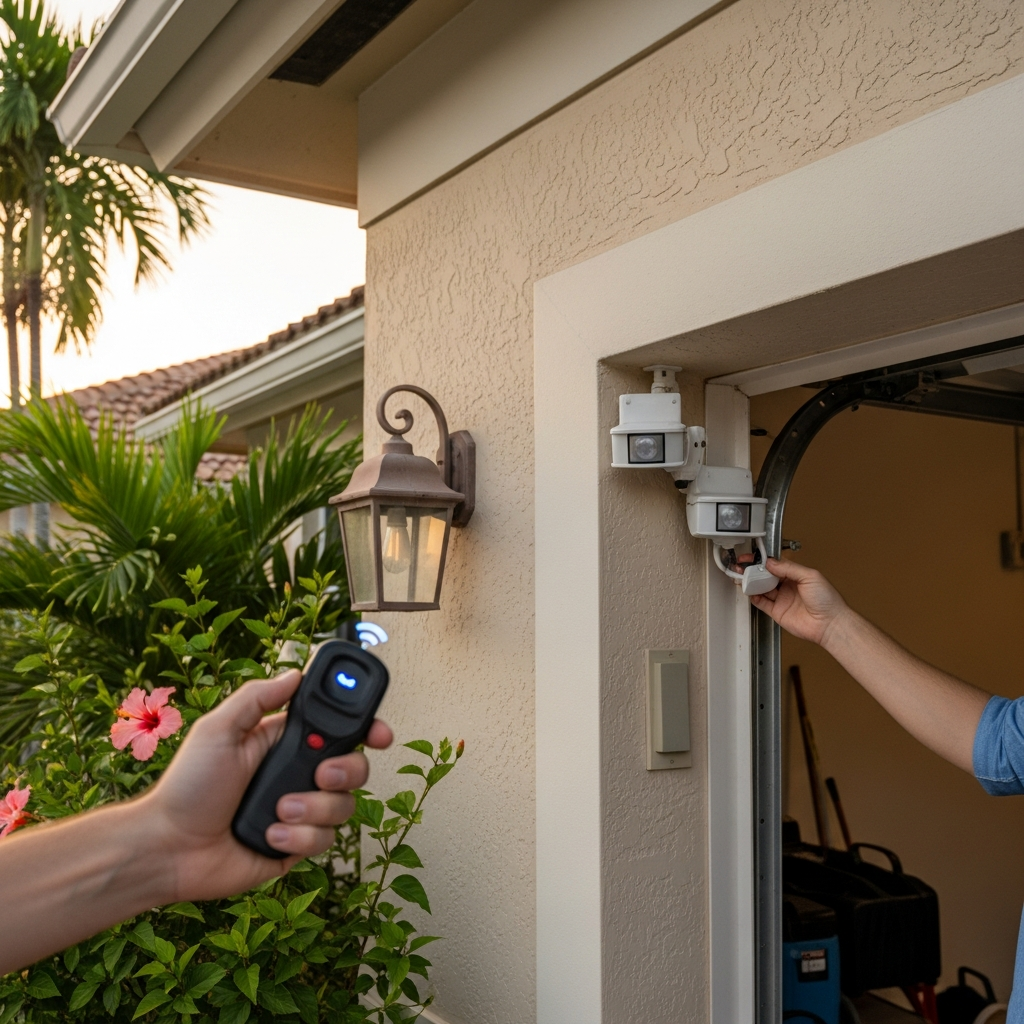
Quick Troubleshooting Tips for Garage Door Problems in Palm Beach
When your garage door acts up, quick troubleshooting can help you identify whether the issue is a simple fix or requires professional repair. Homeowners in Palm Beach, Florida benefit from guidance tailored to coastal conditions—high humidity, salt air, and occasional storms can influence both symptoms and solutions. Use these practical tips to troubleshoot common problems safely and effectively. If you need professional support, consider reaching out to experienced technicians who offer local repair expertise, like professional garage door troubleshooting services.
This guide provides step-by-step checks, safety cautions, and recommended next steps for a variety of symptoms. Keep in mind that high-tension components such as springs and cables should not be adjusted by homeowners. When in doubt, call a trained technician.
Basic Safety First
Before attempting any troubleshooting, follow these safety guidelines:
– Keep children and pets away from the garage door area.
– Do not touch springs or cables if they appear damaged.
– Disconnect power to the opener if you need to inspect electrical components or wiring.
No Response from the Opener
If the opener does not respond to the remote or wall control, try these steps:
– Check remote batteries and replace them if necessary.
– Verify the opener is plugged in and the circuit breaker has not tripped.
– Test the wall switch; if it works and remotes don’t, reprogram remotes per the manufacturer’s instructions.
– Inspect sensor alignment; if the safety sensors are blocked or misaligned, many openers refuse to operate.
Door Opens or Closes Partially
Partial travel may be caused by limit settings, obstructions, or sensor issues. Troubleshooting steps include:
– Check for debris in tracks or around rollers and remove any obstruction.
– Verify that photo-eye sensors are clean and aligned; clean lenses with a soft cloth.
– If the opener has adjustable travel limits, consult the manual for recalibration instructions or call a technician to adjust safely.
Strange Noises During Operation
Unusual sounds often signal worn parts or lack of lubrication. Common causes and fixes:
– Squeaking: Apply manufacturer-recommended lubricant to rollers, hinges, and springs.
– Grinding or rattling: Inspect for worn gears in the opener or deteriorated rollers; these may need replacement.
– Loud bangs: A snapping sound often indicates a broken spring—stop operation and call a professional immediately.
Door Moves Unevenly or Is Off-Track
Uneven movement typically points to track misalignment, damaged rollers, or broken cables. For safety, do not attempt to operate an off-track door. Contact a technician to realign tracks and replace damaged components. If the door is slightly out of balance, the springs may need tension adjustment, which requires professional handling.
Opener Runs But Door Doesn’t Move
This symptom could indicate a disengaged trolley or a broken drive component. Check that the emergency release is engaged and that the trolley is connected to the door arm. If the trolley is disengaged, you can re-engage it following manufacturer instructions, but avoid forcing the system if there is resistance or unusual noise.
Door Reverses Unexpectedly
Unexpected reversing is commonly caused by sensor issues or improper force settings. Check for these problems:
– Sensors blocked or misaligned: Clean and realign the photo-eyes.
– Force settings too high or too low: Openers have adjustable force; consult the manual or have a technician fine-tune these settings.
Sensor and Photo-Eye Tips
Photo-eye sensors ensure the door reverses if something blocks the path. Keep these sensors clean and ensure they’re aligned facing each other with unobstructed sight lines. Insects, dirt, and cobwebs can interfere with sensor function in coastal climates—clean lenses regularly to maintain reliable operation.
Remote and Keypad Problems
If your remote or keypad stops working, try these steps:
– Replace batteries in remotes and keypads.
– Reprogram the remote or keypad following manufacturer instructions.
– Check for radio interference from nearby devices; move potential interference sources away from the opener if possible.
What to Do If a Spring Breaks
If you hear a pop and the door becomes heavy or inoperable, a spring is likely broken. For safety, do not attempt to operate the door or replace springs yourself. Broken springs release stored tension unpredictably and can cause serious injury. Secure the area and call a professional to replace the spring and re-balance the door.
Preventive Troubleshooting: Regular Checks
Frequent, simple checks catch small problems before they escalate:
– Monthly visual inspections for frayed cables, rust, and worn rollers.
– Lubricate moving parts every six months per manufacturer guidelines.
– Test auto-reverse and sensor alignment monthly.
Middle-Stage Troubleshooting: When to Escalate
If basic troubleshooting does not resolve the issue, it’s time to escalate to professional help. Persistent problems—such as intermittent opener faults, repeated misalignment, or electrical issues—require diagnostic tools and replacement parts typically not available to homeowners. A professional technician can perform load testing, openers diagnostics, and safely replace high-tension components to restore reliable operation.
Local Palm Beach technicians are familiar with coastal-related wear and may recommend upgrades like corrosion-resistant parts or sealed openers for better longevity. If troubleshooting points to a need for professional intervention, contact local specialists who can assess and repair the system quickly and safely, such as those offering professional garage door troubleshooting services.
FAQ
Q: Can I lubricate the springs myself?
A: Light lubrication can be applied by homeowners, but any adjustment of spring tension should be done by a trained technician.
Q: Why does my door keep reversing after I install a new opener?
A: Reversing often indicates misaligned sensors, improper force settings, or obstruction. Check sensor alignment and consult the manual for force adjustments, or call a technician if problems persist.
Q: How often should I inspect the door?
A: Perform a quick visual inspection monthly and a more thorough check every six months, including lubrication and sensor cleaning.
When to Call a Professional
Call a professional if you encounter any of these conditions: broken springs or cables, persistent electrical issues with the opener, off-track doors, or structural damage to door panels or mounting hardware. Professional technicians have the tools and training to resolve high-risk issues safely and restore reliable operation.
Final Advice
Troubleshooting can resolve many common garage door issues and prevent emergency repairs when performed regularly and safely. Use this guide to evaluate symptoms and perform basic fixes, but always prioritize safety and call trained professionals for high-tension components or persistent problems. Keeping a local, trusted repair contact saves time and reduces stress when issues arise. If you need experienced technicians familiar with Palm Beach conditions, reach out to local specialists who can provide fast, effective troubleshooting and repairs. When professional help is required, rely on trusted services to diagnose and fix the problem efficiently.