
Introduction
Installing a new garage door in Palm Beach, Florida, requires more than just picking a style and schedule. Local conditions, building codes, and practical considerations for coastal environments all affect the outcome. Whether you are replacing an old door or installing a new one on a recent build, a thorough checklist will help you prepare, communicate with professionals, and ensure a durable, safe installation. If you want peace of mind with experienced professionals, consider connecting with professional garage door installation services in the area early in your planning.
Why a Checklist Matters for Palm Beach Homes
Palm Beach’s climate, with salt air, humidity, and hurricane exposure, requires special attention to materials and installation methods. A checklist prevents costly mistakes, prevents delays, and helps homeowners make informed choices about insulation, wind ratings, hardware finishes, and automation. A well-constructed checklist covers site measurements, permits, product selection, safety provisions, and post-installation inspections.
Pre-Installation Planning
Start with a comprehensive pre-installation plan. This phase sets the foundation for a smooth installation and minimizes surprises during the labor-intensive phases.
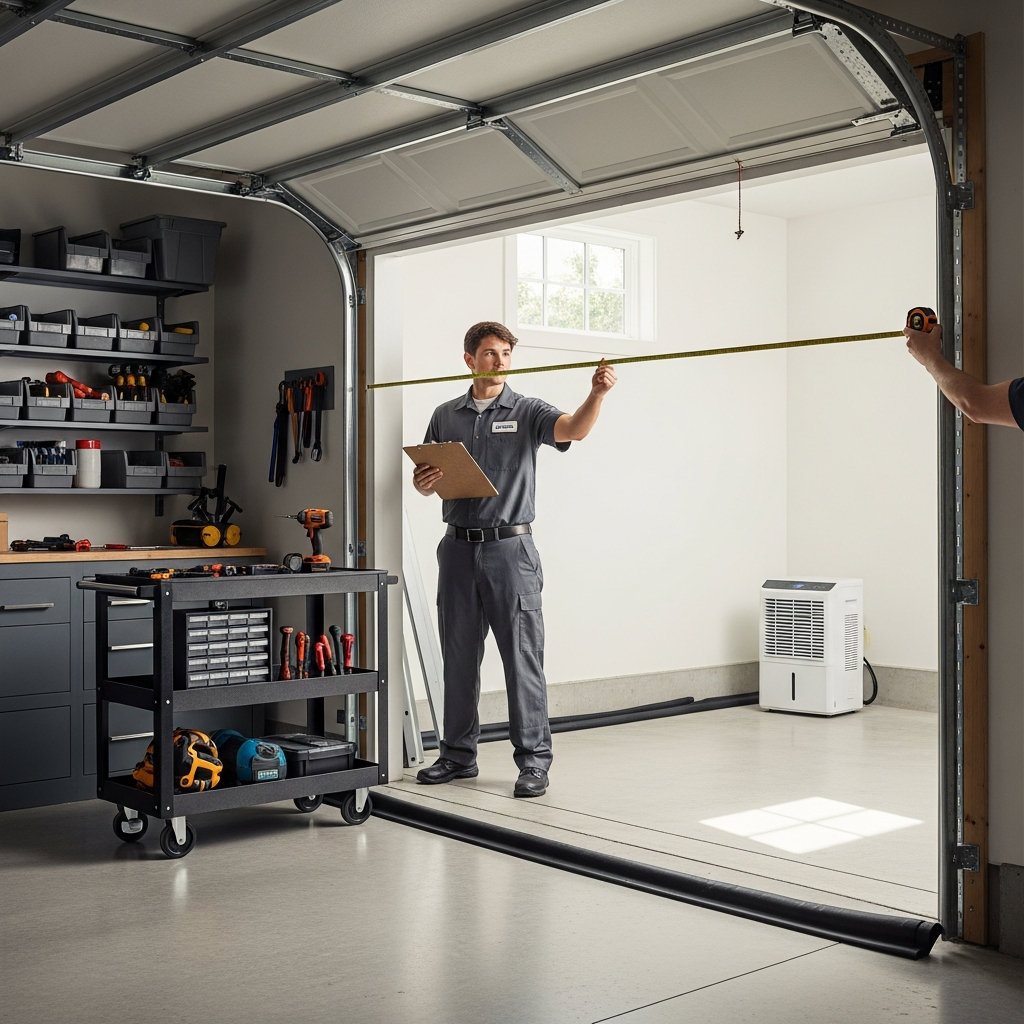
Site inspection and measurements: Accurately measure the opening height, width, and jamb depth. Measure headroom from the top of the opening to the ceiling and backroom space if you plan to install an automatic opener. Note any obstructions such as ductwork, shelving, low ceilings, or sprinkler heads.
Ground and driveway condition: Check that the area in front of the garage is level and stable. An uneven driveway can affect track alignment and the closing seal. Verify drainage and ensure runoff won’t pool against the bottom of the door.
Structural review: Evaluate the door frame and header for rot, termite damage, or structural weakness. In coastal climates the wood framing can deteriorate faster; if repairs are needed, schedule them before the door installation.
Permits and local codes: Palm Beach County and local municipalities may require permits and set minimum wind-load requirements for garage doors. Confirm local building codes and obtain necessary permits in advance.
Utility and electrical planning: Decide where the opener will be mounted and ensure power is available. If you plan to add smart door controls or exterior keypads, consider conduit runs and outlet placement.
Choosing the Right Door and Components
Selection should factor in durability, insulation, wind resistance, materials, and aesthetic compatibility with your home. Use this checklist to refine your choices.
Material selection: Common options include steel, aluminum, wood, and composite. Steel provides durability and low maintenance; aluminum is lightweight and resistant to corrosion; wood offers a natural look but needs more upkeep; composite mimics wood with less maintenance. For coastal homes, select corrosion-resistant finishes and appropriate gauge metals.
Insulation: R-values matter for energy efficiency and comfort. Choose insulated sections if you use your garage as a workshop or living space. Insulation also helps prevent condensation, a common issue in humid climates.
Wind rating and reinforcement: Palm Beach may require wind-load rated doors. Confirm the necessary specifications and ensure the door and track system include reinforcements to meet code.
Finish and corrosion protection: Choose finishes and hardware designed for salt-air environments. Consider powder-coated or specially treated hardware to resist rust and corrosion.
Window options and glass type: If you want natural light, choose impact-rated glass or reinforced panels to comply with local regulations and to resist storm damage.
Opener compatibility: Decide on belt-drive vs chain-drive vs screw drive openers. Belt drives run quieter, while chain drives are robust and economical. Verify that the chosen opener pairs with the door weight and size and supports smart functionality if desired.
Tools, Materials, and Personnel
Ensure the installation team brings appropriate tools and that the materials list is complete before work begins. A typical installation will involve several technicians and specific tools.
Tools: Power drill set, impact driver, torque wrench, level, tape measure, plumb bob, ladder, sawhorses, and lifting straps for heavy doors. Inspectors will also use specialized tools to test balance and track alignment.
Safety equipment: Safety glasses, gloves, hearing protection, and fall protection if work is performed at heights. Technicians should bring appropriate PPE and first aid amenities.
Materials: Door sections, tracks, rollers, springs (torsion or extension depending on design), cables, anchors, fasteners, weatherstripping, and hardware. Confirm that the correct spring size and lift system are ordered for door weight and height.
Personnel: For standard residential doors, two to three technicians are typical. Larger or custom installations may require more crew members and specialized rigging.
Day-of-Installation Checklist
On installation day, having an organized routine keeps the job moving efficiently and safely.
Clear the work area: Remove cars, personal items, and storage from the garage and immediate exterior area. Protect floors and landscaping with drop cloths and plywood if heavy equipment will be used.
Verify measurements: Reconfirm door opening measurements and verify delivered door components match the order.
Confirm permit and plan placement: Have permits displayed or accessible and outline any structural modifications with the crew.
Power availability: Ensure power is on for the opener and for any tools that require electricity.
Staging and assembly: Technicians will assemble tracks, mount torsion or spring systems, and hang door sections sequentially. Expect noise and brief interruptions while heavy components are moved.
Balance and testing: After installation, the team will test balance, adjust spring tension, calibrate the opener, and verify safety reversal systems.
Safety and Inspection Steps
Every installation must conclude with a safety inspection. This ensures the door operates reliably and reduces risk of injury or property damage.
Auto-reverse test: The door must reverse upon meeting resistance. Test with a 2×4 laid flat across the threshold to ensure the opener reverses.
Photo-eye alignment: Verify sensors are aligned and mounted at the correct height and angle to prevent closure on obstructions.
Spring and cable inspection: Confirm springs are installed securely, cables are properly seated in drums, and anchor points are solid.
Track alignment and fasteners: Ensure tracks are plumb and fasteners are tightened. Check for any rubbing or binding during full travel.
Weather sealing and threshold: Confirm bottom seal fits evenly and side seals prevent drafts and insect intrusion. Check for proper drainage around thresholds.
Post-Installation Documentation and Communication
Documentation protects both homeowner and installer by recording specifications, warranties, and maintenance instructions.
Hand over manuals and warranty cards: Ensure you receive manufacturer information for door panels, openers, and all hardware. Record the model and serial numbers for future service requests.
Maintenance schedule: Ask the installer for a recommended maintenance cadence, typically semi-annual checks for lubrication, spring tension, and sensor function.
Emergency contacts and service plan: Keep the installer’s contact details and any service plan enrollment information readily accessible.
Maintenance Items to Watch
Consistent maintenance extends the lifespan of your door and prevents small issues from becoming major repairs.
Lubrication: Use a silicone-based or lithium grease on rollers, hinges, and bearings. Avoid petroleum-based lubricants that attract dirt.
Inspect hardware for corrosion: Coastal environments accelerate rust. Replace corroded fasteners and consider stainless or galvanized options.
Check balance: A properly balanced door reduces strain on the opener and extends component life. Disengage the opener and test manual lift periodically.
Monitor weather seals: Replace brittle or damaged weather stripping to keep pests and moisture out.
Troubleshooting Common Issues
Knowing common failure modes helps you respond quickly when a problem arises.
Door not opening or closing: Verify power to the opener and check remote batteries. If the opener hums but the door doesn’t move, the issue could be a broken torsion spring or a disengaged carriage.
Uneven travel or binding: Inspect tracks for dents or misalignment and check roller condition. Tighten loose fasteners and verify the door is balanced.
Strange noises: Clanking or grinding can indicate worn rollers, loose hardware, or a failing opener gear. Schedule service to avoid sudden failure.
Sensor issues: Clean sensor lenses and realign photo-eyes. Sensor height and obstruction can prevent closing or cause intermittent reversals.
FAQ
Q: How long does a typical garage door installation take in Palm Beach?
A: Most residential garage door installations are completed within one day under normal conditions. Complex installations or structural repairs may extend the timeline. Weather, custom doors, and permitting can also affect scheduling.
Q: Do I need an impact-rated door for Palm Beach?
A: Impact-rated doors are strongly recommended in hurricane-prone areas and may be required by local code for certain zones. They provide additional protection against flying debris during storms.
Q: What maintenance should be performed annually?
A: Perform a thorough annual inspection that includes lubricating moving parts, checking spring tension, testing the auto-reverse, inspecting hardware for corrosion, and verifying weather seals.
Q: Can I upgrade an existing door to meet wind-load requirements?
A: In many cases you can reinforce an existing door with additional brackets, struts, and upgraded hardware. However, some doors may require full replacement to meet modern wind-load standards.
Q: Is it safe to adjust springs myself?
A: No. Garage door springs are under extreme tension and can cause serious injury. Always have qualified technicians handle spring adjustments and replacements.
Final Steps and Recommended Next Actions
After installation, keep documentation handy and schedule your first maintenance check within six months. If you want professional guidance tailored to your property and local code requirements, reach out for an on-site consultation with experienced installers who understand Palm Beach specifics. Many homeowners find it valuable to arrange a post-installation follow-up to confirm everything performs well after settling.
When you are ready to move from planning into action, contact trusted local experts to ensure your project proceeds smoothly, safely, and in compliance with local requirements. A reliable contractor can help with permit navigation, wind-rating verification, and long-term maintenance planning.
Ready to get started? For reliable service and skilled installation in Palm Beach, contact professional garage door installation to schedule a consultation and ensure your home is protected, functional, and attractive.