
Garage Door Installation Checklist for Palm Beach Florida Homes
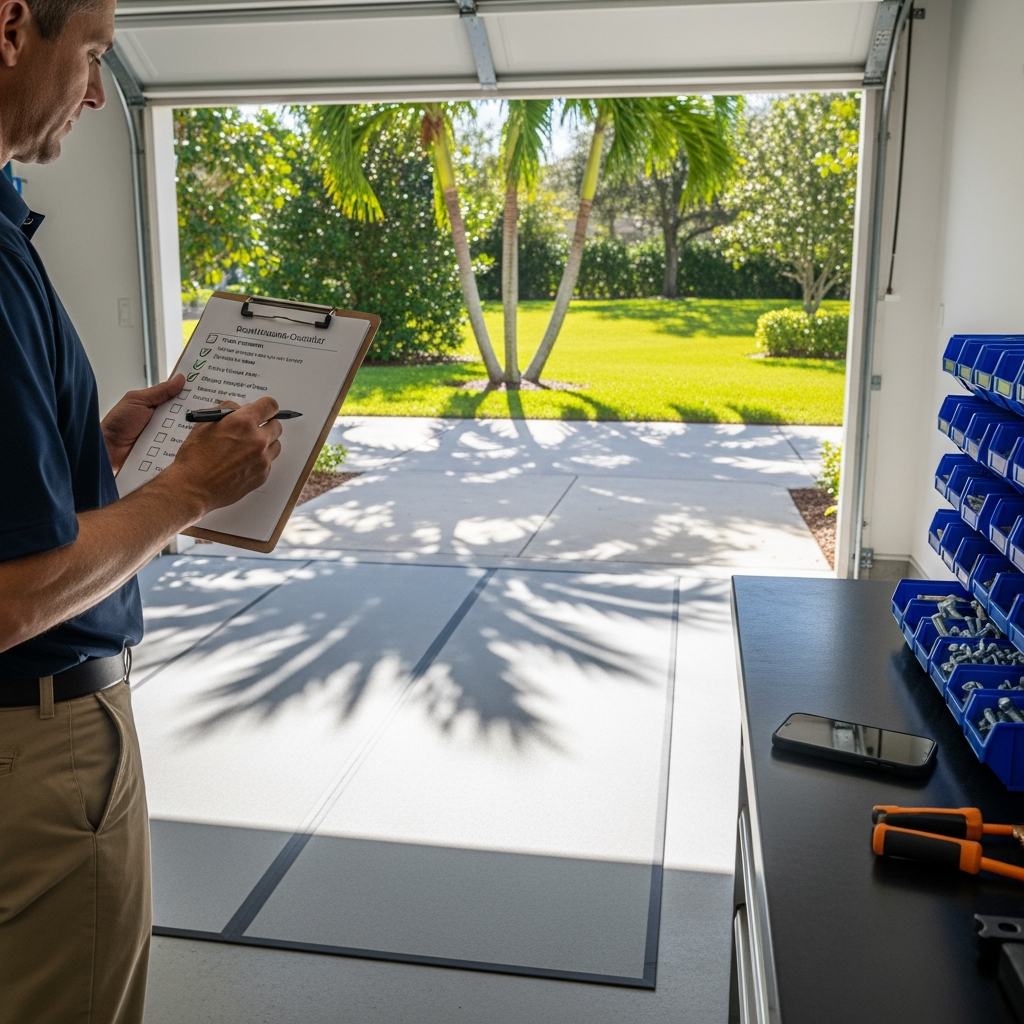
A well-prepared homeowner is more likely to have a smooth and successful garage door installation. This checklist is tailored for Palm Beach, Florida residences and covers the essential considerations you should address before, during, and after the installation. It reflects local concerns such as wind-load compliance, corrosion-resistant materials, and permit requirements. Preparing in advance reduces stress, minimizes delays, and ensures the installation meets both your functional needs and aesthetic goals. If you prefer a professional evaluation, schedule an on-site consultation with a local specialist in garage door installation who understands Palm Beach County specifics and can help refine this checklist for your property.
1. Confirm property access and workspace. Ensure that the garage and surrounding driveway area are clear of vehicles, personal items, and landscaping that could interfere with delivery or installation. Provide a clear path for crews to bring in door sections and tools. If your property has limited access or tight gate openings, inform the installer in advance so they can plan logistics.
2. Review local codes and permit requirements. Palm Beach County may require permits and inspections to verify wind-load ratings and safety compliance. Check whether your planned door needs special reinforcements or certifications. Ask the installer if they will secure permits on your behalf or provide the necessary documentation to submit to local building authorities.
3. Choose the right door material and style. Evaluate materials—steel for durability and low maintenance, aluminum for a lightweight contemporary look, or fiberboard/composite for a balance of aesthetics and weather performance. Consider insulation levels if your garage connects to conditioned living spaces. Select a style and finish that complements your home and can withstand coastal sun and salt-air conditions.
4. Inspect the opening and structure. During the initial consultation, confirm that the frame, header, and surrounding structure are sound. Look for signs of rot, water damage, or framing defects. Structural issues should be repaired prior to installing the new door to prevent future failures and to maintain proper alignment and balance.
5. Plan for hardware and corrosion protection. Choose stainless or galvanized hardware and finishes designed for coastal exposure. Ask about powder coatings and other protective treatments that resist rust and corrosion. These investments extend hardware life and reduce the frequency of maintenance in Palm Beach’s humid environment.
6. Select an appropriate opener. If you need an automatic opener, consider features such as quiet operation, battery backup for outages, Wi-Fi connectivity for remote access, and safety sensors. For heavier insulated doors, select an opener with the correct horsepower and compatibility with the door’s balance system.
7. Verify measurements carefully. Accurate measurement of the opening, headroom, and side clearance is critical. Provide the installer with precise dimensions or request they document measurements during the site visit. Mistakes in sizing lead to delays, extra costs, or doors that do not fit properly.
8. Review spring system options. The installer will recommend torsion or extension springs based on door size and weight. Make sure springs are rated for the door load and installed by qualified technicians, as springs operate under high tension and pose danger if mishandled.
9. Confirm warranty and service terms. Obtain written details on the manufacturer’s warranty for the door and the installer’s labor warranty. Understand what is covered, the duration, and the process for booking warranty service. A local installer who offers ongoing maintenance plans can make it easier to keep the door in optimal condition.
10. Plan for disposal of the old door. Decide whether you want the installer to remove and dispose of the old door and materials. Many professional services include responsible disposal or recycling of removed components, which saves you time and avoids dealing with bulky waste.
11. Prepare the site for installation day. Clear nearby items, protect flooring in the garage, and secure pets and small children. If the installation will require electrical work, ensure access to the panel or prearranged electrician support. Confirm arrival time and expected duration with the installer so you can plan accordingly.
12. Inspect final operation and safety features. After installation, test the door’s balance, smoothness of operation, and auto-reverse function. Verify sensor alignment, check locks and latching mechanisms, and ensure weather-stripping is properly seated to reduce drafts and pests. The installer should walk you through manual operation and emergency release procedures.
13. Establish a maintenance schedule. In a coastal climate, semi-annual inspections are often recommended. Create a maintenance checklist that includes lubrication of rollers and hinges, checking cables and springs, testing safety sensors, and inspecting seals for cracking or separation. Keep a log of service visits and any parts replaced to maintain warranty compliance and track performance over time.
14. Consider additional safety features. If you have children or pets, ask about extra safety measures such as enhanced sensors, wireless keypad controls with rolling codes, and separate door locks. These features add security and reduce the risk of accidental operation.
15. Plan for aesthetics and neighborhood standards. If your area has an HOA or local design guidelines, check that your chosen door style, color, and windows comply. Local installers can often recommend options that satisfy HOA rules while improving curb appeal.
16. Ask about upgrades for storm resilience. For homes in hurricane-prone zones, consider reinforced or wind-load rated doors. Ask your installer about reinforcement kits or door models that meet local wind-load requirements and how that affects the frame, tracks, and attachment points.
17. Communication and timeline. Confirm a clear timeline with the installer and ask for updates in case of changes. Reliable communication reduces surprises and helps you coordinate installation day logistics. Request an itemized list of included services so you know what to expect when the crew arrives.
18. Emergency and aftercare contact. Make sure you have direct contact information for post-installation support, especially for emergency situations like a door failing to operate properly. A local installer who provides prompt follow-up service is a valuable resource.
Frequently Asked Questions
Q: How soon can installation typically be scheduled? A: Timing depends on product availability and permit timelines; local installers often offer flexible scheduling and can advise on typical lead times.
Q: Will the installer handle removal of the old door? A: Most professional installers include removal and disposal of the old door as part of the installation package; confirm this in writing.
Q: What should I do to prepare on installation day? A: Clear the garage, move vehicles, secure pets, protect fragile items, and provide the crew with easy access to the work area.
Q: Are wind-load rated doors required in Palm Beach? A: Requirements vary; consult local building codes or ask your installer whether your location requires wind-load rated doors or additional reinforcements.
Q: How can I prolong the life of my new door in the coastal climate? A: Regular maintenance, corrosion-resistant hardware, protective finishes, and timely replacement of worn parts will all help prolong door life.
Final Guidance and Scheduling
Using this checklist will help you prepare for a seamless garage door installation tailored to Palm Beach’s climate and regulatory environment. If you want a professional review of your needs and an on-site estimate that considers wind-load requirements, material recommendations, and local building codes, book a consultation with a local garage door installation specialist. They can walk through this checklist with you, identify potential obstacles early, and provide a clear plan and timeline for installation day.
Taking these steps in advance reduces delays and helps ensure you receive a durable, safe, and attractive garage door that will serve your home well in the Palm Beach climate. When you are ready, reach out to a trusted local installer to schedule an on-site assessment and begin the process with confidence.