
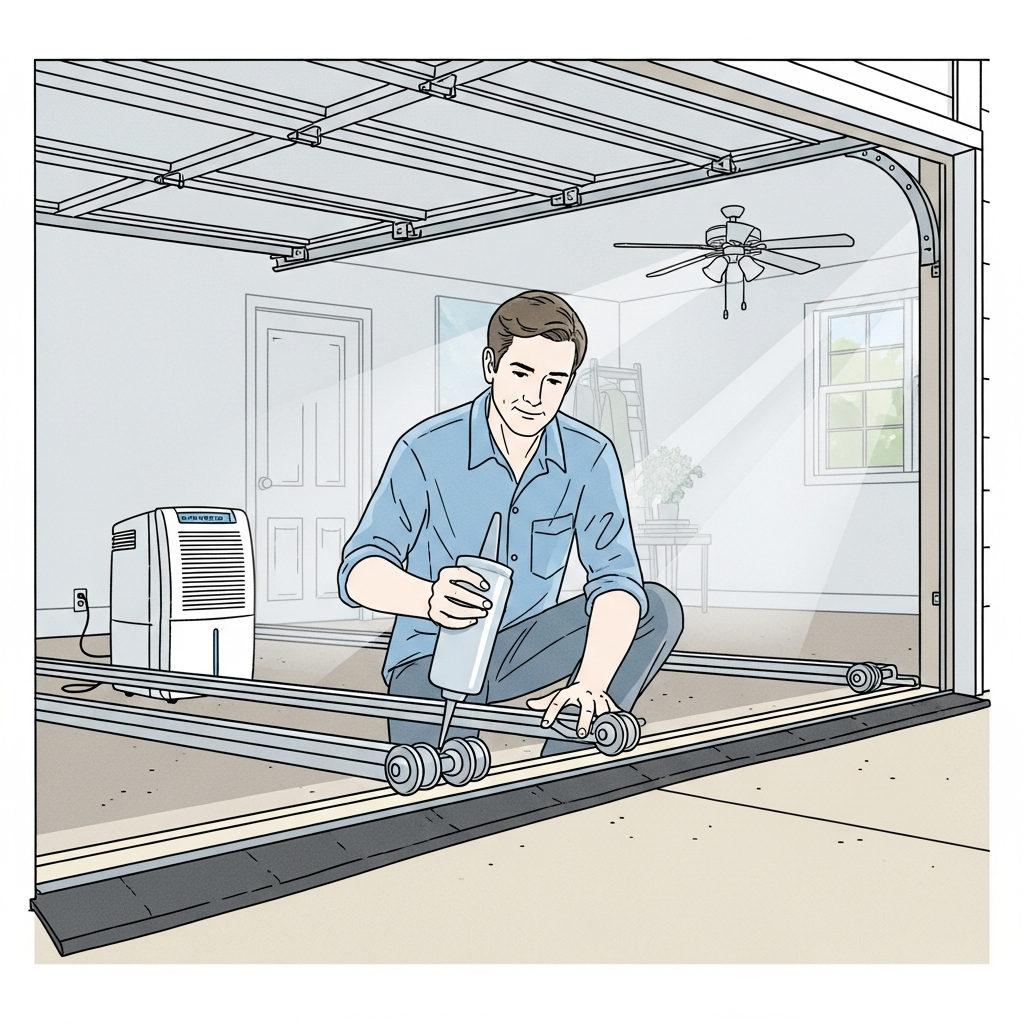
After replacing a garage door in Palm Beach, Florida, following a tailored maintenance checklist keeps the door functioning smoothly and prolongs the life of the components. Coastal conditions, including salt air and high humidity, increase the importance of routine care. If you recently completed or are planning a replacement, consider professional providers who offer both installation and maintenance, and begin by reviewing services like garage door replacement as a resource for planning long-term care.
This maintenance checklist covers seasonal routines, inspection steps, lubrication recommendations, and parts to monitor. Keeping a written log of maintenance activities and any repairs is useful for warranty records and for future homeowners when the time comes to sell your property.
Why Maintenance Matters in Palm Beach
Salt air, sun exposure, and occasional storms accelerate wear on metal components and seals. Regular care reduces the risk of malfunction during severe weather and helps keep warranties valid. Preventative maintenance also reduces the frequency of emergency repairs and preserves the appearance of the door over time.
Maintaining the door includes visual inspections, mechanical adjustments, lubrication, and cleaning. Many homeowners pair annual professional inspections with quarterly homeowner checks to catch issues early and avoid larger failures.
Quarterly Maintenance Items
-
Visual inspection of panels and finish for chips, peeling paint, or corrosion. Address minor issues before they worsen by touching up finishes where appropriate.
-
Check weatherstripping at the bottom and around the perimeter for wear and compression. Replace as needed to maintain energy efficiency and pest exclusion.
-
Inspect rollers and hinges for wear and free movement. Nylon rollers are quieter and more durable than traditional steel rollers and can be considered as an upgrade.
-
Test auto-reverse function by placing an object in the door’s path and closing the door. The door should reverse on contact or when the safety beam is interrupted.
Semi-Annual Maintenance Items
-
Lubricate rollers, hinges, and springs with a manufacturer-approved lubricant. Do not over-lubricate, and avoid applying lubricant to the tracks themselves unless specified.
-
Tighten loose fasteners on tracks, brackets, and hardware. Coastal environments can loosen fasteners over time due to corrosion or temperature-related expansion and contraction.
-
Inspect cables for fraying and replace if any damage is found. Cables are critical safety components and should be replaced at the first sign of wear.
Annual Professional Inspection
Schedule an annual inspection by a licensed technician who can safely test and adjust spring tension, evaluate the opener and electrical components, and assess the balance of the door. Technicians can also verify that any corrosion is addressed and that anchors and fasteners meet manufacturer recommendations. An annual inspection is particularly valuable for homes in Palm Beach because of the environmental stresses on hardware and finishes.
Weather-Related Maintenance
Before hurricane season, ensure the door is in good condition, that any required storm anchors or braces are installed, and that windows and seals are secured. After storms, inspect for damage to the door, frame, and opener components. Address dents, misalignment, or compromised seals promptly to prevent water intrusion and structural damage.
Cleaning and Corrosion Prevention
Rinse the exterior of the door periodically to remove salt deposits. For painted surfaces, use mild detergent and water; avoid abrasive cleaners that can damage protective finishes. Inspect exposed fasteners and touch up any exposed metal with rust-inhibiting primer and paint as needed. Consider upgrading to stainless steel or corrosion-resistant hardware if your home is very close to the ocean.
Opener and Electrical Maintenance
Test remote controls and keypad entry systems regularly. Replace batteries in remotes and keypad units annually or as needed. Ensure that the opener’s wiring shows no signs of corrosion and that connections are secure. If your opener includes a battery backup, test it periodically to ensure it functions if the power is out during an emergency.
Lubrication Best Practices
Use lubricants recommended by the door manufacturer. Apply lubricant to the spring coils, rollers (if metal), hinges, and bearing plates. Avoid placing lubricant in the tracks unless specified, as excess lubricant can attract dust and debris. Over-lubrication can create buildup that interferes with smooth operation.
Balancing and Safety Checks
Periodically disconnect the opener and operate the door manually to check balance. A properly balanced door should stay in place when positioned halfway. Imbalance often indicates worn springs or incorrect tension and should be addressed by a professional. Regularly test the safety sensors and auto-reverse features to confirm they operate correctly and to prevent accidents.
Replacement Parts to Monitor
-
Springs: Torsion and extension springs lose tension over time and should be replaced systematically rather than repaired piecemeal.
-
Rollers: Worn rollers increase noise and strain on other components. Consider replacing old metal rollers with sealed-bearing nylon rollers for improved performance.
-
Cables: Replace at the first sign of fraying or corrosion to avoid sudden failure.
-
Weatherstripping: Replace when cracked or compressed to maintain a tight seal.
Record Keeping and Warranty Support
Keep a maintenance log with dates of inspections, lubrication, part replacements, and any repairs. Retain product manuals and warranty paperwork in a single folder. If the door or components are under warranty, follow the manufacturer’s recommended maintenance schedule to keep the warranty valid. Documenting professional service calls supports claims if a covered defect arises.
Frequently Asked Questions
-
Q: How often should I lubricate moving parts?
A: Lubricate moving parts semi-annually or as recommended by the manufacturer, and more frequently in harsh coastal environments.
-
Q: Can I clean salt deposits myself?
A: Yes. Rinse exterior surfaces and hardware with fresh water periodically to remove salt buildup and reduce corrosion risk.
-
Q: How do I know when to call a professional?
A: Call a professional if you notice frayed cables, significant imbalance, broken springs, or unusual noises that do not respond to basic lubrication steps.
Regular maintenance is the best defense against unexpected failures and helps your garage door remain safe and attractive. For homeowners who prefer a hands-off approach, many installers offer annual maintenance plans that include inspection, lubrication, and minor adjustments.
If you are preparing for a replacement or want to set up a maintenance plan, talk with experienced providers that offer comprehensive garage door replacement services and ongoing support. A professional provider can offer a maintenance schedule tailored to your door’s materials, local climate considerations, and usage patterns.
Final Advice and Next Steps
Compile a list of desired features, review warranty terms, and schedule an initial professional inspection after installation. Keep your maintenance log current and plan seasonal checks that reflect Palm Beach’s climate. When repairs are needed, address them promptly to prevent more significant issues. With consistent care and a reliable service provider, your replacement garage door can provide years of safe, quiet, and dependable operation.