
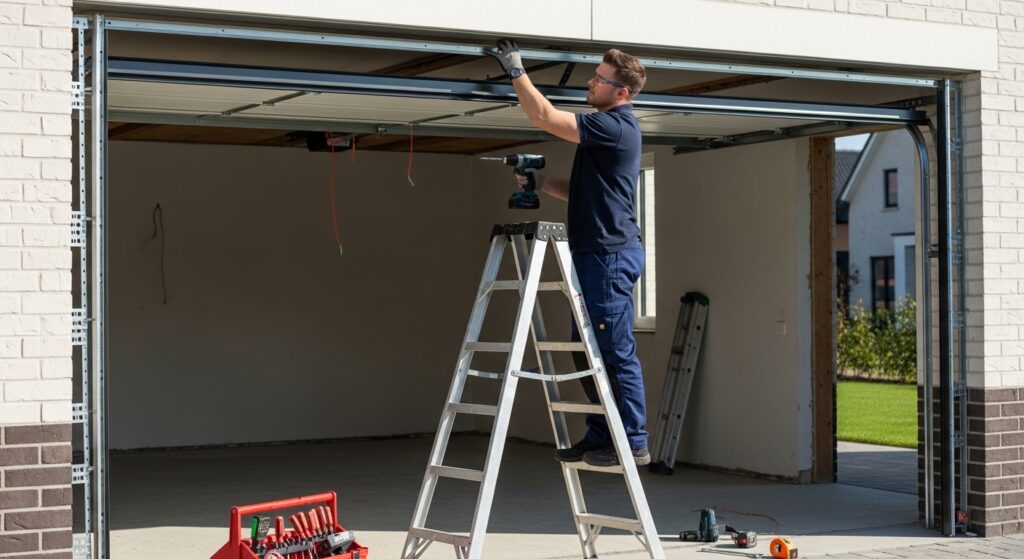
Overview of the Step-by-Step Process
Understanding the full lifecycle of a garage door project helps homeowners plan smoothly, reduce surprises, and ensure compliance with Palm Beach County’s codes. A well-executed installation starts long before the first screw is turned. From initial consultation to final inspection, each phase builds on the last to create a safe, quiet, and hurricane-ready system. If you are beginning your research, consider connecting early with a local expert in garage door installation to align expectations and timelines from day one.
Below is a clear, step-by-step walkthrough that explains how professional teams evaluate conditions, specify equipment, coordinate permits, and deliver a finished door that protects your home while elevating curb appeal.
Step 1: Consultation and Needs Assessment
The process begins with listening. Your installer will ask about your goals: aesthetics, noise level, smart features, and storm resilience. They will review the property’s location, exposure to wind, and proximity to salt air. Early conversations surface design preferences and lifestyle details—like whether the garage doubles as a gym or workshop—which influence insulation and opener choices.
During this stage, expect a review of scheduling preferences, access constraints, and any HOA guidelines. Capturing these details early speeds future approvals and helps the team craft a scope that anticipates site realities.
Step 2: Measurement and Site Evaluation
Precise measurements follow. The team records opening width and height, headroom, side room, and backroom distances. They examine framing members for strength and alignment and assess the slab for levelness and cracks. Electrical availability for the opener is checked, and potential conflicts with storage racks or attic ladders are noted.
Photos and measurement sheets are compiled to support product selection and permitting. If structural reinforcement or carpentry is advisable, it will be identified now and incorporated into the project plan.
Step 3: Product Selection and Specification
Armed with measurements and goals, you will review materials (steel, aluminum, composite, wood), panel profiles, glazing options, insulation levels, and finishes. In Palm Beach County, wind-load compliance drives many specifications. Reinforced tracks, heavier-gauge hinges, and struts are matched to the opening size and design pressures.
Opener choices include chain, belt, direct, or wall-mount drives; smart connectivity; battery backup; and lighting features. The selected package is documented in a proposal that spells out hardware, safety devices, and accessories so everyone aligns on scope.
Step 4: Permitting and Approvals
With the door and hardware defined, the installer compiles product approvals, anchorage details, and drawings for the permit application. Many residential projects in Palm Beach County require a permit due to wind-load standards. The contractor submits documents, tracks review comments, and revises submittals if needed.
Approval sets the stage for a compliant installation and smooth inspection. Retain copies of all documents for your records; they will be useful for insurance, resale, or storm-related claims.
Step 5: Ordering and Scheduling
Once the permit is in motion or approved (depending on workflow), the team orders the door, tracks, springs, and accessories. Lead times vary with material and customization. Your installer will forecast delivery windows and schedule the on-site work accordingly.
To minimize disruption, coordinate vehicle parking, clear storage near the opening, and secure pets. If you prefer off-hours installation, discuss availability and any neighborhood restrictions in advance.
Step 6: Site Protection and Old Door Removal
On installation day, the crew protects floors and walls, then disconnects and safely disassembles the old opener and hardware. The existing door is removed methodically to prevent damage to framing or finishes. Responsible disposal is coordinated per the agreed scope.
With the opening clear, installers reassess framing, verify measurements, and prepare surfaces for new hardware. Any necessary repairs identified earlier are completed to create a strong, plumb, and level substrate.
Step 7: Framing Checks and Anchor Preparation
Anchoring integrity is critical in a wind-borne debris region. Teams confirm that jambs and headers accept specified fasteners and that edge distances are preserved. For masonry openings, proper anchors and embedment depths are selected to meet design pressures.
Installers mark fastening points per the approval’s schedule, setting the stage for consistent, documented attachment throughout the project.
Step 8: Track, Spring, and Hardware Installation
Vertical and horizontal tracks are set plumb and level, with bracing and back-hangs sized to carry the door’s load. Hinges, rollers, and struts are installed, and torsion springs are mounted with attention to safety and balance calculations. The door sections are stacked and aligned to ensure smooth travel without binding.
High-cycle springs may be recommended for households with frequent use. All hardware is torqued to spec, and clearances are checked for vehicles, shelving, and attic access.
Step 9: Opener Installation and Controls
The opener is mounted—ceiling rail or wall-mount—based on headroom and storage needs. Safety sensors are aligned, force settings configured, and travel limits adjusted. Wall controls and remotes are paired, and smart connectivity is set up if included in the package.
Battery backup units are tested, and lighting features are positioned to maximize visibility. Where Wi-Fi is used, the team verifies signal strength at the opener location to ensure reliable app control.
Step 10: Weather Sealing and Final Adjustments
Perimeter seals, top and bottom astragals, and threshold solutions are installed to limit drafts, pests, and wind-driven rain. In coastal conditions, corrosion-resistant fasteners and finishes are used where applicable. Final hardware checks confirm that rollers track smoothly and that there is no rubbing or undue vibration.
The balance test is performed by disconnecting the opener and moving the door manually to several positions. A properly balanced door will hold its position, indicating correct spring tension and minimal strain on the opener.
Step 11: Clean-Up, Turnover, and Education
The crew removes debris, vacuums, and wipes down surfaces as needed. You will receive a walkthrough covering manual release operation, photo-eye testing, lubrication points, and seasonal checks. Model numbers and manuals are provided for easy reference during future service.
At this point, many homeowners schedule their first annual tune-up to keep the system quiet and safe. Your installer can recommend intervals based on usage and proximity to salt air.
Step 12: Inspection and Documentation
The contractor coordinates inspection with Palm Beach County. Inspectors verify that the installed door matches approvals, with correct fasteners, bracing, and safety devices. Any comments are addressed promptly, and a passed inspection is documented for your records.
Keep your permit card, approval sheets, and any inspector notes in a safe place. These records support insurance claims and real estate transactions, and they make future upgrades simpler.
Coastal Considerations and Long-Term Care
Salt, sun, and seasonal storms influence material choices and maintenance cadence. Periodically rinse exterior components, lubricate moving parts safely, and inspect seals for wear. If your property faces higher winds, confirm that reinforcement brackets and back-hangs remain tight over time.
Smart openers may need firmware updates; maintain a strong Wi-Fi connection and replace remote batteries proactively. Minor, consistent care prevents noise, vibration, and undue wear.
Common Pitfalls and How to Avoid Them
Skipping permits, under-sizing springs, or reusing incompatible tracks can undermine safety and reliability. Choosing a door without proper product approvals can delay inspection or expose your home during storm season. To avoid these issues, work with a detail-oriented team and confirm that documentation matches the site’s exposure and opening size.
Another common pitfall is overlooking headroom for storage racks or tall vehicles. Address clearance during design to prevent conflicts and last-minute hardware changes.
Frequently Asked Questions
Q: How long does installation take on site? A: Most residential installations are completed within a focused on-site window, with time afterward for testing, cleanup, and walkthrough.
Q: Is a permit always required? A: Many Palm Beach County projects require a permit due to wind-load standards. Your installer will confirm, submit documents, and coordinate inspections as needed.
Q: What if my slab is uneven? A: Threshold solutions and bottom seals can accommodate minor irregularities. Significant issues may call for concrete repair for best performance.
Q: How often should I schedule maintenance? A: Annual tune-ups work well for most homes, with more frequent checks for oceanfront properties or heavy daily use.
Q: Can I use my existing opener? A: Sometimes, but it must be compatible with the new door’s weight and balance. Your installer will advise on suitability and safety.
Plan Your Project with Confidence
With a clear process, strong documentation, and a detail-focused team, you can expect a smooth installation and years of reliable performance. Map out the steps, keep records organized, and commit to simple maintenance to protect your investment.
When you are ready for a streamlined, code-compliant experience, connect with a local specialist known for precision garage door installation. From first measurements to final inspection, a disciplined approach delivers a quiet, secure, and storm-ready door.