
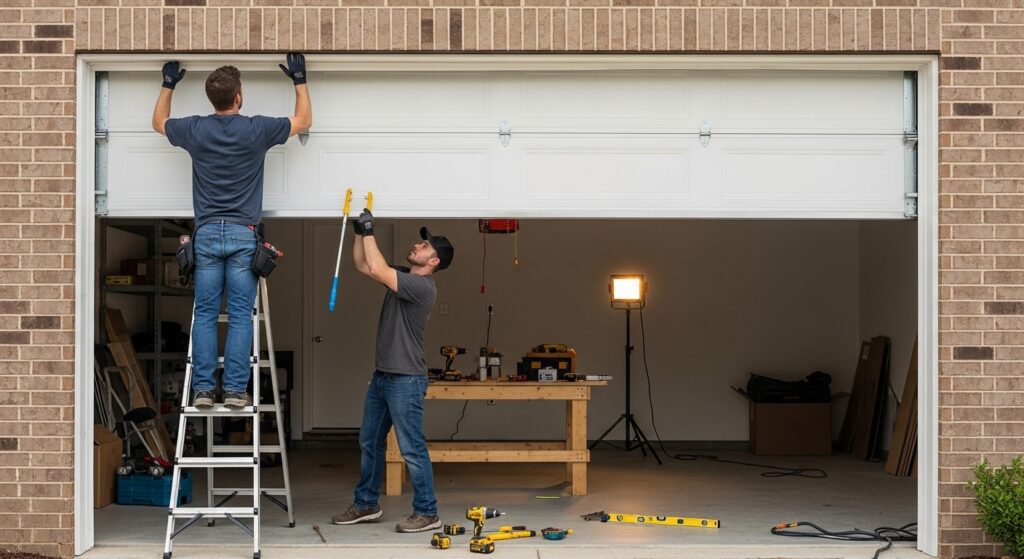
Why Permits Matter for Commercial Garage Doors
Commercial garage door projects in Palm Beach County must pass through a structured permitting and inspection process. This framework exists to ensure that high-cycle doors, fire-rated assemblies, and wind-resistive systems are properly specified and safely installed. Whether your facility is a warehouse, service bay, loading dock, or mixed-use property, approaching permits with a plan reduces risk and prevents schedule setbacks. Early coordination with a qualified contractor for garage door installation can bring clarity to product approvals, design pressures, and inspection milestones from the outset.
Commercial occupancies often involve heavier, wider doors and more complex traffic patterns than residential settings. That complexity translates to additional documentation and stricter safety checks. Knowing what plans reviewers and inspectors expect will help your team avoid rework and keep operations on track.
Key Code Considerations in Palm Beach County
Commercial doors must align with wind-load requirements and product approvals appropriate to the site’s exposure category. In addition, certain occupancies interact with fire-resistance ratings and egress pathways. Doors near exit routes cannot compromise life safety features, and rolling fire doors must be accompanied by proper drop testing and signage. For openings adjacent to pedestrian circulation, safety entrapment protections and clear sightlines help prevent incidents.
Consider adjacent building systems. Sprinkler heads, exit lighting, emergency power circuits, and alarm components may be impacted during installation. Coordinating trades reduces conflicts and ensures that compliance is preserved across systems. Accessibility needs at the site—ramps, tactile warnings, and door controls—should be reviewed so traffic can flow safely around the new assembly.
Permit Types and Submission Requirements
Most commercial garage door projects require a building permit. The submittal often includes product approvals, installation instructions, wind pressure calculations, anchorage details, and a floor plan or elevation noting locations and opening sizes. If fire-rated doors are used, include the listing information, label specifications, and any auxiliary hardware documentation.
Depending on the scope, electrical permits may be required for new openers, sensors, or control stations. If modifications affect the structure—like new steel jambs or concrete work—a structural detail may be requested. Clear labeling of sheets, legible drawings, and cross-referencing between documents help plan reviewers validate that each component is properly coordinated.
Product Approvals and Engineering
Florida Product Approvals or Notice of Acceptance (where applicable) demonstrate that the door system can withstand design pressures. The installer will compare site wind speeds, exposure, and opening sizes against the product’s tested limits. Heavier doors and wide spans often require reinforced tracks, higher-cycle springs, or additional struts. For rolling steel and full-view aluminum doors, verify that slats, endlocks, and curtain guides are specified to the correct gauge and profile to resist specified loads.
Where a project’s conditions push the edge of a product’s standard listing, site-specific engineering may be appropriate. An engineer’s letter can clarify anchorage, fastener schedules, and any field-built reinforcement. Keeping this documentation available for inspection streamlines approval and provides a clear operational record for future maintenance teams.
Fire-Rated and Specialty Assemblies
Commercial properties may require fire-rated rolling doors or shutters to compartmentalize hazards. These assemblies must be installed and labeled per their listing, with fusible links and release devices tested to manufacturer instructions. Drop testing should be recorded, with date and responsible party noted for annual verification.
Specialty doors—like high-speed fabric doors, security grilles, and hurricane-rated glazed systems—also warrant careful permitting. Each has unique hardware, safety sensors, and control logic. Operating clearances, signage, and line-of-sight controls are particularly important where pedestrians and vehicles intersect.
Opener Controls, Safety, and Integration
Commercial controls range from wall-mounted push stations and pull cords to loop detectors and network-connected systems that report usage or fault codes. Safety edges, photo-eyes, and audible-visual alarms may be required, particularly in mixed traffic zones. Consider how forklifts, delivery vans, and pedestrians share space to determine the right sensor suite.
Integration with access control or building management systems can enhance security and oversight. Coordinate with IT to confirm connectivity, cabling paths, and authentication requirements. If the door interfaces with an alarm system, document the logic for held-open, fire alarm override, and emergency power transitions so inspectors and maintenance staff can verify proper operation.
Inspections and Field Verification
Expect at least one inspection to confirm that the installed assembly matches the approved submittal. Inspectors may verify fastener types and spacing, track gauge, wind-load bracing, opener mounting, and sensor alignment. For fire-rated doors, labeling, signage, and drop-test documentation are key checkpoints. Electrical inspections confirm proper wiring, conduit fill, grounding, and control station heights.
Preparing for inspection saves time. Maintain a neat site, provide a printed or digital copy of approvals, and ensure that personnel who understand the system are present to answer questions. If a reinspection is required, document corrective actions clearly to close the loop efficiently.
Timeline Planning and Operational Impacts
Commercial facilities often can’t pause operations entirely. Phased work or off-hours installation can limit disruption. Coordinate delivery schedules, staging areas, and waste removal to keep aisles and exits clear. If temporary barricades or alternative access routes are necessary, communicate those plans to staff and visitors in advance.
Lead times vary based on door type and customization. High-speed doors and specialized curtain systems may require more coordination for commissioning, controls programming, and end-user training. Build time into the schedule for functional testing and adjustments after initial operation begins.
Common Pitfalls and How to Avoid Them
Typical setbacks include incomplete documentation, missing product approvals, and misunderstood wind pressures. Another common issue is installing controls without considering line-of-sight and traffic patterns, which can create hazards or nuisance trips. Reusing incompatible tracks or hardware can also cause premature wear and operational noise.
To avoid these pitfalls, hold a precon meeting to align stakeholders: facility managers, installers, electricians, and safety personnel. Review the submittal package together, confirm clearances, and agree on inspection readiness criteria. With complex systems, consider a factory rep visit for commissioning guidance.
Working With a Qualified Installer
Choose a contractor experienced with commercial occupancies and local permitting. Look for a track record with wind-rated systems, rolling steel assemblies, and integrated controls. Licensing, insurance, and strong references are baseline requirements; beyond that, assess communication, documentation quality, and responsiveness during submittal reviews.
Commercial projects benefit from installers who provide thorough turnover packages: as-builts, manuals, parts lists, and maintenance recommendations. This documentation supports predictive maintenance, reduces unplanned downtime, and aids in future permit updates or system expansions.
Maintenance Plans and Lifecycle Considerations
High-cycle doors demand scheduled service. Track wear, spring life, and opener duty ratings should be monitored and logged. Cleaning photo-eyes, checking chain tension, and lubricating bearings preserve performance. In coastal environments, corrosion-resistant finishes and regular rinsing of exterior components extend service life and protect your investment.
Many facility managers pair new installations with a service agreement that outlines inspection intervals, replacement thresholds, and response times. This proactive approach keeps safety systems verified and minimizes disruption to shipping, receiving, or fleet operations.
Frequently Asked Questions
Q: Do all commercial doors require permits in Palm Beach County? A: Most installations do, especially where wind-load compliance, fire rating, or electrical work is involved. Your installer can confirm requirements for your occupancy and scope.
Q: What documentation will reviewers expect? A: Product approvals, anchorage details, wind pressure data, and clear drawings showing locations and sizes. For fire-rated doors, listing labels and drop-test procedures are essential.
Q: How are inspections scheduled? A: After installation, your contractor requests inspection and coordinates access. Having documents on hand and a knowledgeable representative present speeds approval.
Q: Can operations continue during installation? A: Often yes, with phased work, off-hours scheduling, and temporary safety measures. Early planning reduces the impact on loading docks and service bays.
Q: How often should commercial doors be serviced? A: Service intervals depend on cycle counts and environment. A maintenance plan tailored to your usage pattern helps maintain safety and uptime.
Move Forward with Confidence
Strong planning and precise documentation are the backbone of a smooth permit process. By aligning product approvals, safety features, and inspections early, your team can protect people, property, and schedules.
For code-savvy guidance and a streamlined path from submittal to sign-off, partner with a local expert in commercial garage door installation. With the right team, your facility gains a reliable, compliant door system that supports daily operations for years to come.