Introduction: Finding Trusted Local Service
When you search for garage door installation near me in Palm Beach County, you are looking for speed, reliability, and a team that understands the unique climate and building requirements of South Florida. From the ocean breeze in Jupiter to the inland heat of Wellington, local expertise matters because garage doors must withstand intense sun, heavy rainfall, and seasonal wind events. Choosing a partner for garage door installation is about more than convenience; it is about long-term performance, code compliance, and peace of mind.
Local installers bring insight into neighborhood expectations, homeowners’ association guidelines, and municipal permitting workflows. They know which materials perform best against humidity and salt air, how to specify wind-rated systems that align with Florida Building Code requirements, and how to coordinate inspections efficiently. The right team helps you choose a door that looks great, operates smoothly, and protects your home during storm season.
This guide explains how to evaluate providers, the features that matter in Palm Beach County, and the steps involved from initial consultation to final inspection. Whether you live in a coastal community or a quiet inland neighborhood, you will learn how to get a beautiful, durable door installed correctly the first time.
What “Near Me” Really Means in Palm Beach County
“Near me” is not only about distance on a map; it is about response time, familiarity with local conditions, and easy access to parts and service. A true local professional understands common garage configurations in the county, from single-car doors on older bungalows to wide double doors on newer construction. They can anticipate measurement nuances, header heights, and driveway slopes typical to subdivisions across the region.
Proximity also helps with scheduling. When a team operates nearby, consultations, material deliveries, and install dates are more flexible. If a last-minute detail changes—such as a trim adjustment or a request for additional weatherstripping—a local installer can accommodate without long delays. This convenience becomes critical when you are coordinating other home improvements or preparing for seasonal weather.
Finally, locality builds accountability. A company that works in your area lives by its reputation. Neighbors notice clean job sites, quiet and respectful crews, and consistent follow-through. Positive word of mouth is a practical way to verify a contractor’s professionalism and workmanship.
Climate and Durability Considerations
In Palm Beach County, climate drives product selection. UV exposure can fade finishes and degrade lower-quality plastics. Heat can impact the performance of openers and sensors. Humidity and salt-laden air near the coast can encourage corrosion. Local specialists recommend door materials and finishes designed to resist these effects, including galvanized steel with protective coatings, composite overlays, and fiberglass skins that mimic wood without the maintenance demands of real timber.
Insulation is about more than temperature control; it improves energy efficiency and noise reduction. Insulated sectional doors can help the space remain more comfortable, particularly if the garage is adjacent to living areas or used as a workshop or gym. Quiet operation matters for many homeowners, especially in early mornings or late evenings when smooth starts and soft stops are most appreciated.
Hinge hardware, rollers, and torsion springs must also be chosen with longevity in mind. Stainless or coated components resist rust, and nylon rollers reduce noise while standing up to frequent use. These details influence the overall lifespan of your door and keep maintenance manageable year after year.
Wind, Impact, and Building Code Awareness
Florida’s building standards require careful attention to wind resistance and impact protection. While code specifics vary by location and structure, most homeowners in Palm Beach County must select doors that meet designated wind-load criteria. This typically involves reinforced struts, stronger track, and a design that resists pressure differentials during storm events. Where applicable, impact-rated glazing or non-glazed designs help address debris concerns.
Permitting and inspection are integral parts of the process. A qualified installer coordinates drawings, product approvals, and inspection timelines. They make sure all components—from the door sections to the opener mounting and safety sensors—are configured according to code and the manufacturer’s instructions. This documentation helps you pass inspection on the first try and provides traceable compliance information for future refinances or home sales.
Working with an experienced team keeps the project moving. They understand how to schedule around municipal workloads, what paperwork is expected, and how to communicate clearly with inspectors. This knowledge minimizes delays and ensures a smooth path from proposal to completion.
Styles, Materials, and Custom Options
Your garage door is a focal point of curb appeal. In Palm Beach County’s diverse neighborhoods, you will find modern glass-and-aluminum doors, coastal carriage styles with decorative hardware, and classic raised-panel steel in neutral colors that complement stucco or painted siding. Window inserts add natural light and visual interest; frosted or tinted options introduce privacy. If your community prefers specific aesthetics, a local installer can suggest compliant designs.
Material selection influences weight, insulation, and maintenance. Steel is durable and versatile, available in a broad color palette. Composite and fiberglass finishes deliver the warmth of wood without frequent refinishing. Aluminum-and-glass systems give a contemporary look and can be specified with reinforced frames designed for local wind conditions. Ask about finish warranties and how they perform under sun exposure and salt spray.
Custom touches elevate the result: decorative hinges, low-profile handles, designer glass, and trim details that echo your home’s architecture. A thoughtful design adds daily enjoyment and enhances property value.
Choosing the Right Opener and Controls
The opener is the engine of everyday convenience. Belt-drive systems are quiet and well-suited for garages beneath or adjacent to bedrooms. Direct-drive and wall-mount options free ceiling space for storage and lifts, reduce vibration, and simplify maintenance. Horsepower ratings should match door size and construction to ensure smooth performance and minimize strain.
Smart features enable app-based control, activity logs, and integration with home assistants and security platforms. Battery backup keeps your door functional during power interruptions—useful in storm-prone regions. Motion-activated lighting, soft-start/soft-stop functions, and enhanced safety sensors improve everyday usability and safety.
The Installation Process from Start to Finish
Successful installation begins with accurate measurements. A local pro evaluates opening width and height, headroom, sideroom, and backroom. They inspect framing, verify the condition of the jambs and header, and note any obstructions such as storage racks or water heaters. Clear communication at this stage prevents surprises during installation day.
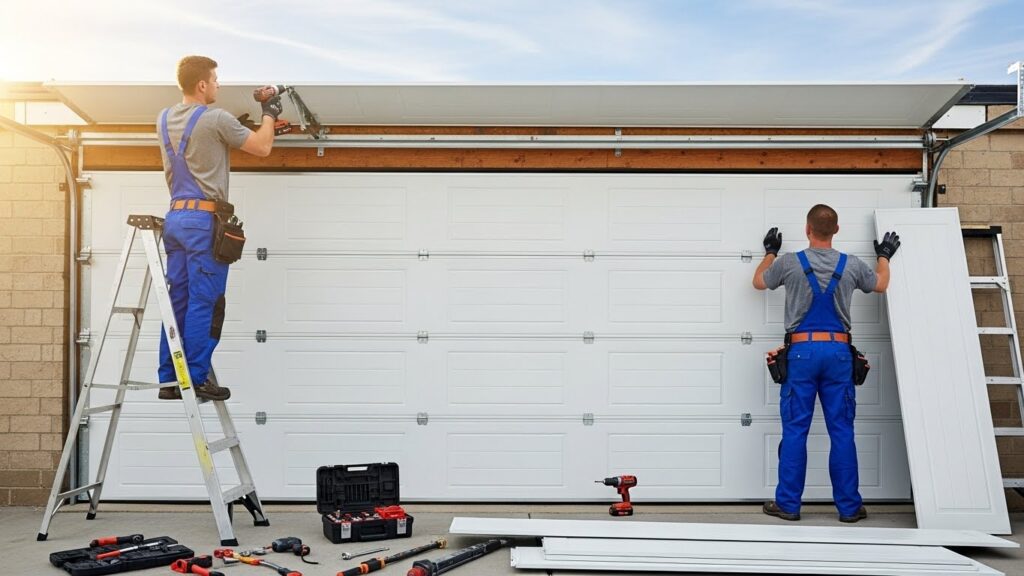
Next, your team helps finalize materials, insulation, color, window layouts, and hardware. They review wind-load and impact requirements, prepare permit applications, and schedule your installation with realistic lead times. On installation day, the crew removes the old door (if applicable), prepares the opening, sets the new track and spring system, installs sections, aligns the door, and mounts the opener. Multiple tests ensure balanced spring tension, reliable reversing safety, and consistent closing force.
During the mid-project walkthrough, pros confirm door operation, address small adjustments, and review maintenance basics. At this stage, if you have questions about remote programming, keypad setup, or app integrations, your installer can demonstrate features and fine-tune settings for ideal performance. This is also a good time to discuss any future service intervals.
For homeowners comparing vendors, remember that expertise, responsiveness, and documented compliance are as important as product selection. When evaluating quotes and timelines for expert garage door installation, consider the quality of materials, the clarity of the scope, and the vendor’s track record with inspections in your municipality.
Maintenance, Service, and Long-Term Care
Regular maintenance keeps your door quiet, balanced, and dependable. Plan to visually inspect rollers, hinges, and weatherstripping a few times per year. Listen for new noises and note changes in speed or smoothness. A light cleaning of the door surface with mild soap and water removes grime and salt residue. Lubricate moving parts with manufacturer-recommended products; avoid over-lubricating, which can attract dirt.
Safety remains paramount. Test the photoelectric sensors monthly by passing an object through the beam while closing; the door should reverse promptly. Check the auto-reverse force by applying gentle resistance near the floor; the door should detect obstruction and reverse. Never attempt spring adjustments yourself—torsion systems are under significant tension and require trained service.
Over time, tune-ups help maintain balance, reduce strain on the opener, and extend component life. Local providers often offer service plans that include periodic inspections and adjustments tailored to regional conditions.
Neighborhood and HOA Considerations
Many Palm Beach County communities have HOA guidelines for exterior finishes, window styles, and decorative hardware. A local installer familiar with your neighborhood can advise on compliant choices and provide submittal packages for architectural review. This proactive step prevents delays and ensures your new door aligns with community standards while still reflecting your taste.
Noise and parking logistics also matter in close-knit neighborhoods. Professional crews coordinate arrival times, manage debris, and keep disruptions minimal. Good communication with neighbors and your HOA simplifies the process and contributes to a positive installation experience.
Common Mistakes to Avoid
- Choosing a door solely on appearance without verifying wind-load compliance.
- Underestimating insulation value and noise reduction benefits.
- Skipping battery backup for the opener in a storm-prone region.
- Attempting DIY spring work instead of scheduling professional service.
- Forgetting to coordinate with an HOA before finalizing style details.
- Neglecting routine maintenance that would preserve smooth operation.
Frequently Asked Questions
Q: How long does installation usually take? A: Most standard residential installations are completed in a single day once materials and permits are ready. Complex configurations, custom designs, and glass systems may require additional time, but clear scheduling and preparation keep the project on track.
Q: Do I need a permit for a new garage door? A: In many Palm Beach County jurisdictions, permits are required for replacement or new installations, especially when altering structural elements or installing wind-rated systems. Your installer should handle documentation and coordinate inspections.
Q: What wind rating should I choose? A: Your home’s location and design determine the required wind-load capacity. A local professional will specify doors with appropriate reinforcement and hardware. They will also confirm any impact considerations and help select compliant products.
Q: What materials perform best near the coast? A: Galvanized steel with robust coatings, aluminum with corrosion-resistant finishes, and fiberglass/composite cladding are popular for coastal durability. Hardware with protective coatings further resists rust and maintains a clean appearance.
Q: Can I add windows without compromising strength? A: Yes. Many manufacturers offer wind-rated window options with reinforced frames or impact-rated glazing where applicable. Your installer can recommend designs that balance aesthetics, light, and structural requirements.
Q: Are smart openers secure? A: Reputable systems use encryption, rolling codes, and user-level controls to enhance security. You can manage access via mobile apps, create temporary codes for visitors, and monitor activity logs to keep your property safe.
Q: How often should I schedule maintenance? A: A yearly tune-up works well for most homes, with extra attention before and after storm season. Routine checks catch emerging issues early, reduce noise, and protect the opener from excessive strain.
Q: Can I keep my existing opener with a new door? A: Often yes, provided it is compatible with the door’s weight and meets current safety standards. Your installer will evaluate the motor, rail, and safety sensors to confirm suitability or recommend upgrades.
Q: What if my garage has low headroom? A: Specialized track and spring configurations accommodate tight spaces. A site evaluation will determine the best layout to achieve smooth travel without sacrificing performance or safety.
Q: Will a new door improve energy efficiency? A: Insulated doors help maintain more stable temperatures, reduce drafts, and lessen noise. While your garage may not be conditioned space, the improvement is noticeable, especially for rooms adjacent to the garage.
Ready to Improve Your Home?
When you want a local expert who understands Palm Beach County’s climate, codes, and neighborhoods, choose a team that prioritizes communication, craftsmanship, and long-term reliability. From the first measurements to the final inspection, the right partner delivers a door you love and performance you can trust.
If you are ready to schedule a consultation or learn which styles best fit your home and community, reach out to a trusted installer today and explore professional options for garage door installation. A beautiful, durable, and code-compliant door is closer than you think.