
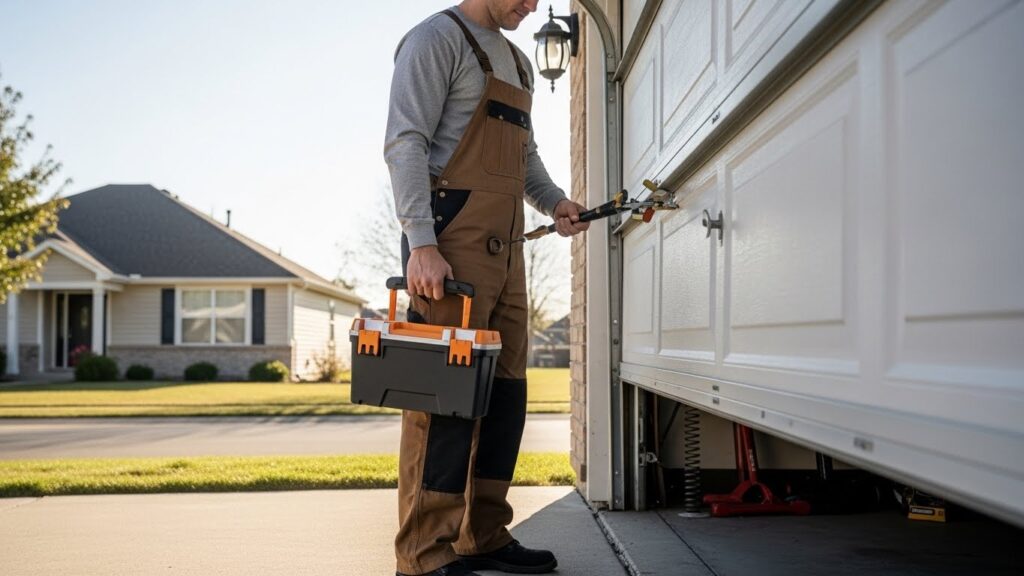
A garage door that hesitates, squeals, or reverses unexpectedly can disrupt your schedule and create safety risks. In Palm Beach County, local weather intensifies wear on rollers, tracks, seals, and electronics, making consistent troubleshooting especially important. This guide explains how to diagnose common symptoms, address quick fixes safely, and recognize when it is time to call a professional. If you would rather skip the guesswork and ensure every component is checked, schedule expert garage door service so trained technicians can evaluate and tune your system.
Before you begin, keep safety front and center. Never adjust springs or cables, and do not override safety features. Work with the door fully open or fully closed whenever possible, keep children and pets away from the area, and use a steady ladder for any overhead inspection. When something looks bent, frayed, or cracked, pause and seek professional help.
Use the sections below to match symptoms with likely causes. Many issues share overlapping signs, so observe carefully and make changes one at a time to determine what truly solves the problem.
Symptom: Door Will Not Close
When a door refuses to close, the safety system is often doing its job. Sensors detect obstructions or misalignment, and the opener protects people, pets, and property by reversing.
- Check for debris or objects along the door’s path. Remove anything that could break the beam or block movement.
- Clean photo eye lenses with a microfiber cloth and confirm LEDs indicate proper alignment.
- Inspect wiring to the sensors for damage or loose connections.
- Confirm tracks are clear and rollers are seated.
If the door still will not close and the opener’s light blinks or you hear repeated clicking, you may have an issue with force or limit settings, or a failing component in the opener. Do not adjust force or limits yourself—call a professional for calibration and diagnostics.
Symptom: Door Reverses Mid-Travel
Mid-travel reversal can be confusing because the door starts moving and then changes its mind. The cause is often resistance or binding that the opener interprets as an obstruction.
- Clean tracks and remove grit that increases friction.
- Inspect for bent track sections or out-of-plumb brackets that pinch rollers under load.
- Lubricate rollers and hinge pivots with an approved product.
- Watch the door move and note where it reverses; this indicates the most likely pinch point.
If reversal occurs at the same spot despite cleaning and lubrication, a track alignment issue or failing roller may be the culprit. Professional realignment or part replacement typically resolves the problem.
Symptom: Noisy Operation
Squeaks, rattles, and grinding are your door’s way of asking for attention. Each sound suggests a different source.
- Squeaking: Often indicates dry rollers or hinges. Lubricate moving parts and wipe excess.
- Rattling: Loose hardware or worn hinges may be to blame. Tighten fasteners and consider upgrading hardware if wear is advanced.
- Grinding: Roller bearings may be failing, or the track could be misaligned. Replace worn rollers and verify track geometry.
Noise that returns quickly after lubrication likely points to hardware wear or a misalignment that increases stress. If the opener itself is loud, a professional can determine whether the noise originates in the door or the opener’s drive system.
Symptom: Door Feels Heavy or Stops Halfway
When the door feels heavier than usual or stops mid-lift, the counterbalance system may not be doing its job.
- Perform a manual balance test by disengaging the opener and lifting the door halfway. If it drops, spring tension may be incorrect.
- Inspect for frayed cables or gaps in torsion spring coils—do not touch these parts.
- Check rollers for excessive resistance or flat spots.
Counterbalance issues are not DIY projects. Springs and cables require professional tools and procedures to adjust or replace safely.
Symptom: Opener Runs but the Door Does Not Move
If you hear the motor but the door stays put, the issue may be with the drive system or a disconnected release.
- Ensure the emergency release has not been disengaged. Reconnect according to your opener’s manual.
- Inspect the trolley, chain or belt, and travel limits for obvious damage.
- Look for broken sprockets, loose belts, or stripped drive gears inside the opener housing.
Openers contain electrical and mechanical components that can fail with age or exposure to heat. A technician can assess whether repair or replacement is the smarter choice.
Symptom: Door Closes Unevenly
When one side of the door reaches the floor before the other, the system is out of balance or alignment.
- Check tracks for symmetrical mounting and verify that both sides are secure.
- Look for rollers that ride too tightly or hop in the track.
- Inspect cables for uneven tension or fraying.
Uneven closing can damage panels and strain the opener. Do not continue operating the door if the imbalance is significant; call for professional service.
Preventive Maintenance for Palm Beach County
Local climate adds unique pressures to garage door systems. A proactive plan helps prevent problems and ensures the door is ready for storm season.
- Quarterly cleaning to remove salt, sand, and dust
- Regular lubrication of rollers, hinge pivots, and spring coils
- Inspection of weather seals for gaps that invite water and pests
- Tightening of track brackets and hinges that loosen with vibration
- Verification of sensor alignment and obstruction-free paths
Keep basic tools and supplies handy: microfiber cloths, a socket set, approved lubricant, and a flashlight. A small maintenance kit makes it easy to act on early warning signs.
When to Call a Professional
Some troubleshooting quickly reveals issues that require trained expertise and specialized tools. Do not hesitate to bring in a professional when safety or complexity is a concern.
- Broken or fatigued springs, frayed cables, or damaged drums
- Track realignment that involves structural adjustment
- Persistent auto-reverse or mid-travel reversal after cleaning and lubrication
- Electrical faults within the opener or repeated error codes
- Visible warping, cracked panels, or severe corrosion on hardware
Scheduling a midyear tune-up or pre-storm inspection is a smart strategy. During this visit, a technician can calibrate opener settings, replace worn parts, and confirm every safety feature is functioning as intended. If it has been more than a year since your last professional check, consider booking garage door service to reset the baseline.
Frequently Asked Questions
Question: Why does my opener light blink and the door reverse? Answer: This usually indicates a sensor issue or obstruction. Clean the lenses, verify alignment, and ensure the path is clear.
Question: Is it safe to lubricate the tracks? Answer: Avoid greasing the tracks. Clean them instead and lubricate roller bearings and hinge pivots with an approved product.
Question: Can I realign the tracks myself? Answer: Minor adjustments to loose brackets are possible, but significant alignment work should be done by professionals to ensure geometry and safety.
Question: What if the door makes a loud bang and will not open? Answer: A spring may have broken. Do not operate the door or attempt repairs. Contact a professional immediately.
Question: How often should I test the auto-reverse? Answer: Test monthly by placing a small object under the door and verifying it reverses upon contact. Also test the photo eyes by interrupting the beam.
Question: Why does the door stick after heavy rain? Answer: Moisture can swell seals and wash grit into tracks. Clean and dry components, re-lubricate moving parts, and inspect for worn rollers.
Question: Does a smart opener help with troubleshooting? Answer: Yes. Many smart openers log errors and provide alerts that help identify issues early.
Question: When should I replace rollers? Answer: Replace rollers that wobble, chip, or create persistent noise even after lubrication. Upgrading to nylon rollers with sealed bearings often helps.
Question: My door shakes when closing. What should I check first? Answer: Look for loose hinges, worn rollers, and track brackets that need tightening. If shaking continues, call a professional.
Question: How can I prepare for power outages? Answer: Test the manual release, keep the opener’s backup battery in good condition if equipped, and avoid forcing the door during outages.
Stay Proactive and Safe
With attentive troubleshooting, most issues reveal themselves before they become emergencies. Keep observations in a simple log, act on new sounds or behavior quickly, and never bypass safety features. If you want expert eyes on every component, schedule professional garage door service and enjoy the confidence of a well-tuned system suited to Palm Beach County’s climate.