
Introduction
When a garage door fails to operate as expected, the repair process should be thorough, transparent, and focused on safety and durability. In Palm Beach, Florida, repair teams must consider environmental impacts like humidity and coastal corrosion when selecting parts and methods. Understanding the typical repair process helps homeowners know what to expect, how to prepare, and how to evaluate repair proposals. If you require assistance, a practical first step is to contact an experienced garage door service provider to schedule an inspection and obtain professional guidance.
Initial Contact and Scheduling
The repair process typically begins with a phone call or online request describing the symptoms, such as failure to open, noisy operation, or visible damage. Provide details about recent incidents—storms, unusual noises, or partial operation—to help technicians prepare. Reputable providers offer prompt scheduling and clear instructions for preparing for the visit, including clearing the work area and securing pets.
On-Site Inspection and Diagnosis
A thorough on-site inspection is critical to identify both visible and underlying issues. Technicians will examine springs, cables, rollers, tracks, hinges, and the opener unit. They will test the door’s balance, operation, and safety features to determine whether a single component failure or multiple issues are present. Accurate diagnosis prevents unnecessary part replacements and targets the root cause of the problem.
Technicians often perform functional tests, such as manual operation with the opener disengaged and auto-reverse tests, to assess system behavior under different conditions. They may also inspect for environmental factors like corrosion or water damage affecting components within or near the track and opener.
Detailed Estimate and Repair Options
After diagnosis, the technician should present a clear estimate and outline available repair options. The estimate should list recommended parts, labor, and the expected timeline for completion. If multiple options exist, technicians should explain the advantages of each, including durability, manufacturer warranties, and compatibility with your door system. Be cautious of vague estimates and request written documentation for comparison and records.
Common Repairs and Replacement Tasks
Technicians frequently perform several types of repairs, depending on the diagnosis. Common tasks include:
- Spring replacement or tension adjustment to restore proper balance and lifting power.
- Cable replacement to ensure reliable support for the door weight.
- Roller and track repair or replacement to restore smooth travel and prevent binding.
- Opener repair or replacement for motor, gear, or circuit failures and to address electrical issues.
- Hardware replacement, including hinges, brackets, and sensors, to maintain structural integrity and safety.
Experienced technicians select parts that are suitable for local conditions and the door’s style, ensuring resistance to corrosion and long-term reliability.
Safety Protocols During Repairs
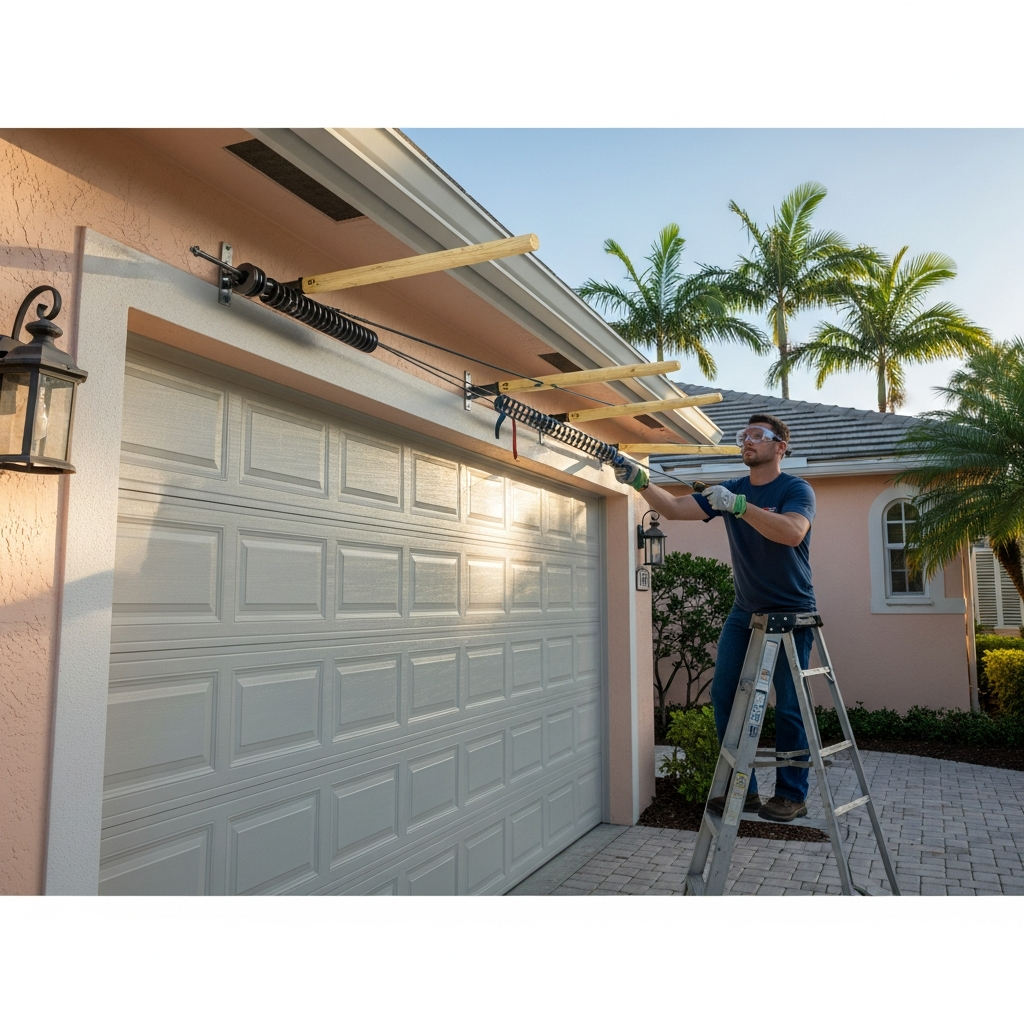
Repairs often require handling high-tension parts and heavy sections. Professionals follow strict safety protocols, including proper securing of the door, using lifting equipment as needed, and maintaining a safe perimeter during work. Technicians wear protective gear and follow manufacturer instructions when adjusting or replacing springs and cables. They also ensure that safety devices like sensors and auto-reverse systems are tested and functioning before returning the door to regular use.
Quality Assurance and Testing
Once repairs are completed, a thorough testing sequence verifies operational reliability and safety. Technicians will open and close the door several times, test auto-reverse and sensor function, verify balance and tension, and check for unusual noises or binding. They should also perform a final inspection of fasteners and hardware torque to ensure everything is secure.
Warranty and Documentation
Reliable providers offer warranties on parts and labor. After repairs, you should receive documentation that details the work performed, the parts used, warranty terms, and any maintenance recommendations. Keep this documentation for future reference and to maintain warranty validity. If follow-up service is needed, reach out promptly to the provider who performed the repair.
Common Questions About Repairs
Homeowners often have questions about repair timelines, parts selection, and expected outcomes. Below are common inquiries and straightforward answers to help manage expectations.
Q: How long do typical repairs take?
A: Many common repairs, such as sensor adjustment or roller replacement, can be completed in a single visit. More complex repairs, including spring replacement or opener replacement, may take longer depending on parts availability and any structural work required. Your technician should provide an estimate during the service call.
Q: Will you replace springs on-site?
A: Yes, professional technicians commonly replace springs on-site, using proper tools and safety procedures. Spring replacement requires expertise due to the high tension involved, and it should only be performed by trained professionals to ensure safety and correct balance.
Q: What if the door has sustained storm damage?
A: Storm-damaged doors may require panel replacement, track realignment, or reinforcement for wind resistance. Technicians will assess structural damage and recommend repairs or replacement options that meet local building codes and wind-load requirements. Work may involve coordinating permits or additional contractors for structural repairs when necessary.
Cost Considerations and Long-Term Value
While this section does not discuss specific pricing, homeowners should consider the long-term value of repairs, including the expected lifespan of replaced parts and warranties offered. Durable materials and corrosion-resistant components are especially important in coastal areas to reduce the need for repeated repairs. Discuss with your technician the trade-offs between temporary fixes and comprehensive repairs that address underlying causes.
Preventive Measures After Repair
After completing repairs, follow a preventive maintenance schedule to reduce future problems. Simple actions like regular lubrication, periodic professional inspections, and timely replacement of worn parts help maintain safe, efficient operation. Establishing a relationship with a local service provider enables priority scheduling for future needs and ensures consistent care tailored to Palm Beach environmental conditions.
Preparing for a Service Visit
To ensure a smooth repair process, prepare your property by clearing the workspace, removing vehicles and stored items near the door, and communicating any access concerns with the service team. Providing a clear description of the symptoms and any recent events that may have caused damage helps technicians diagnose the issue more quickly and arrive with appropriate parts and tools.
Frequently Asked Questions
Below are additional questions homeowners commonly ask about the repair process and what to expect from professional technicians.
Q: How do I know repairs were done correctly?
A: After repairs, a proper test will demonstrate smooth, balanced operation, functional auto-reverse and sensor systems, and quiet movement without binding. The technician should walk you through post-repair testing and provide documentation of work performed and warranty information.
Q: Should I schedule regular maintenance after a repair?
A: Yes. Scheduling routine maintenance after a repair helps ensure that replaced components remain in good condition and that any emerging issues are identified early. Regular inspections also support warranty requirements and help extend the life of the system.
Q: Can minor issues be deferred?
A: Some minor issues may appear cosmetic, but delaying repairs on functional components can lead to safety concerns or larger failures. Consult with your technician to prioritize repairs and understand which items can safely wait and which require immediate attention.
Final Steps and Contact Information
Understanding the repair process makes it easier to work with professionals and make informed decisions about garage door care. When you notice problems, act promptly to avoid safety risks and more costly repairs down the line. A qualified local team will provide clear diagnosis, explain options, and complete repairs to industry standards while prioritizing safety and durability.
If you need professional inspection or repairs, contact an experienced provider to schedule a diagnostic visit. A skilled technician will assess the situation, present detailed repair options, and carry out the work with appropriate safety measures. For reliable, timely repairs and expert guidance specific to Palm Beach properties, consider reaching out to a trusted garage door service team to arrange an appointment and get your system restored to safe and dependable operation. Prompt action and ongoing care will help protect your home and keep your garage door functioning smoothly for years to come.