
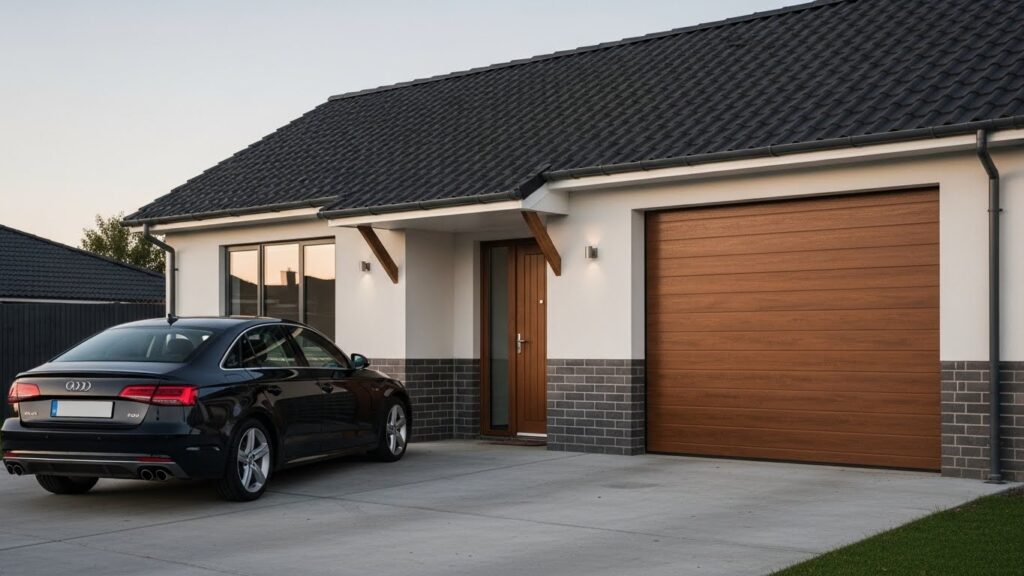
Whether you live along the coast or inland, caring for your garage door in Palm Beach County requires a practical plan that accounts for humidity, salt exposure, and seasonal storms. This comprehensive guide explains the core components of a garage door system, how to inspect and service them safely, and the specific habits that help local homeowners maintain reliability year-round. If you do not have the time or tools for certain tasks, you can always reach out for expert garage door service to keep your system tuned and dependable.
A garage door is more than a moving wall; it’s a carefully balanced assembly of panels, springs, rollers, tracks, cables, and an opener. This system needs periodic attention to remain safe and quiet. The steps in this guide help you control noise, prevent premature wear, and ensure your safety features work as intended.
Know Your System: Components and Functions
Understanding the parts you see and hear during operation makes service easier.
- Panels: The sections joined by hinges. Look for dents, delamination, rust, or cracking.
- Hinges and Brackets: Allow panels to bend as the door travels. Watch for elongated screw holes and loose fasteners.
- Rollers and Tracks: Guide the door. Worn rollers or dirty tracks often cause squeaks and binding.
- Springs: Torsion or extension styles counterbalance the door’s weight. Improper balance strains the opener.
- Cables and Drums: Lift the door with the spring system. Frayed cables are a serious hazard.
- Opener: Chain, belt, or screw drive; includes safety sensors and limit controls.
- Reinforcement and Seals: Wind bracing and weatherstripping are crucial for Palm Beach County’s conditions.
Safety First
Always begin with safety. Disconnect the opener before hands-on work near moving components, and never release tension from torsion springs without proper training and tools. Keep ladders stable, wear eye protection, and avoid working alone if you’ll be lifting or stabilizing heavy panels.
Inspection Walkthrough
Start with a slow visual inspection while the door is closed. Scan the inside and outside of the door for damage. Check hinges, brackets, and struts for looseness or cracks. Look at cables near the bottom brackets for rust and fraying. Inspect tracks for dents or misalignment and ensure all fasteners are tight. In coastal neighborhoods, note any corrosion and plan to clean and protect exposed steel surfaces.
Balance and Movement
Disengage the opener and lift the door by hand. A balanced door should stay in place at various heights with minimal drift. If it drops quickly or shoots upward, the springs need professional attention. Do not attempt to rebalance torsion springs yourself; incorrect handling can cause serious injury.
Cleaning and Lubrication
Salt air and dust cling to surfaces, so keep tracks clean with mild detergent and a soft brush. Avoid greasing the tracks themselves; clean steel provides the best surface for rollers. Lubricate hinge pivots, roller bearings, and spring coils with a product made for garage doors. Wipe off excess lubricant to prevent buildup of grit.
Opener Service and Safety Systems
Reconnect power and test auto-reverse features. Place a piece of wood under the door and close it; the door should reverse upon contact. Test the photo-eye sensors by blocking the beam; the door should not close. Clean and realign sensors as needed. If your opener has battery backup, unplug the unit and verify that it operates during a brief outage—an important consideration for storm season.
Weatherproofing and Wind-Readiness
Inspect the bottom seal and side/top weatherstripping for cracks and flattening. Replace worn seals to block wind-driven rain and improve energy efficiency. Examine any wind-load reinforcement kits, struts, and fasteners for tightness and corrosion. Touch up paint on steel doors to keep rust at bay. For wood doors, maintain the finish and caulking to protect against moisture.
Noise and Vibration Control
Noisy operation typically comes from dry pivot points, worn rollers, loose hardware, or an opener drive that needs attention. After lubrication and tightening, listen carefully during operation. The goal is a smooth, even sound free of jerks and clunks. If noise persists, a set of upgraded rollers or a belt-drive opener may help—but first confirm that alignment and balance are correct.
When DIY Is Enough and When It’s Not
Most homeowners can handle cleaning, lubrication, hardware tightening, sensor alignment, seal replacement, and basic opener checks. Leave spring and cable work to trained technicians, and seek help for structural issues such as bent tracks, panel deformation, or doors out of square.
Service Schedule for Palm Beach County
- Quarterly: Wipe tracks, lubricate pivots and bearings, tighten accessible hardware, clean sensors, and test auto-reverse.
- Before Storm Season: Inspect reinforcement, replace weather seals if needed, test battery backup, and confirm surge protection.
- After Major Storms: Reinspect for misalignment, water intrusion, rust, and loose fasteners.
- Annually: Full balance test, opener limit and force verification, comprehensive cleaning, and touch-up.
Documentation and Home Records
Maintain a service log. Record dates, tasks, and observations, including photos of worn parts or corrosion. Documentation helps you track trends, anticipate replacements, and provide proof of care for insurance or resale.
Troubleshooting Highlights
- Door reverses before closing: Clear debris, clean and align sensors, and verify travel limits.
- Door shakes or rattles: Tighten brackets, check track alignment, and inspect rollers for wear.
- Door stalls or labors: Confirm balance and reduce opener force if it’s set too high; call a pro if the door remains heavy.
- Remote range is poor: Replace batteries and check for interference; reprogram if needed.
- Light rust appears: Clean, neutralize, and touch up promptly to prevent spread.
Mid-Guide Decision Point
If you have corrected obvious issues but the door still behaves unpredictably, it may be time to schedule professional garage door service. A trained technician can identify subtle alignment errors, worn bearings, or micro-fractures in hardware that are difficult to spot during a routine DIY inspection.
Upgrades Worth Considering
- High-cycle springs for heavy-use households
- Weather-resistant rollers and stainless steel hardware in coastal zones
- Belt-drive openers for quieter operation
- Smart controls for remote monitoring and alerts during travel
- Enhanced reinforcement for wind-load compliance
Frequently Asked Questions
Q: How often should I service my door?
A: Perform light quarterly service, with a full inspection before storm season and after major weather events. An annual deep checkup ensures everything stays aligned and safe.
Q: Which lubricant is best?
A: Use a garage-door-rated spray or synthetic lubricant on hinge pivots, roller bearings, and spring coils. Avoid heavy grease in tracks.
Q: Why does my door squeak even after lubrication?
A: Persistent noise often points to worn rollers, loose hardware, or misaligned tracks. Replace worn parts and verify alignment.
Q: Do I need a battery backup?
A: In storm-prone areas, a battery backup is helpful and may be critical during outages. Test it periodically and replace batteries as recommended.
Q: Can I replace weather seals myself?
A: Yes, many homeowners can handle this task with a ladder, screwdriver, and patience. Measure carefully and align the seal evenly to avoid gaps.
Q: When should I avoid DIY?
A: Any spring or cable work, serious track damage, or structural issues call for professional expertise. These tasks involve high tension and precise adjustments.
Your Door, Ready for Everyday Life
With consistent attention to cleanliness, lubrication, alignment, and safety features, your garage door can remain reliable despite Palm Beach County’s challenging environment. Keep a simple maintenance schedule, document your work, and seek expert help when needed. When it’s time for a tune-up you’d rather not tackle yourself, book dependable garage door service and enjoy a smoother, quieter, and safer daily routine.