
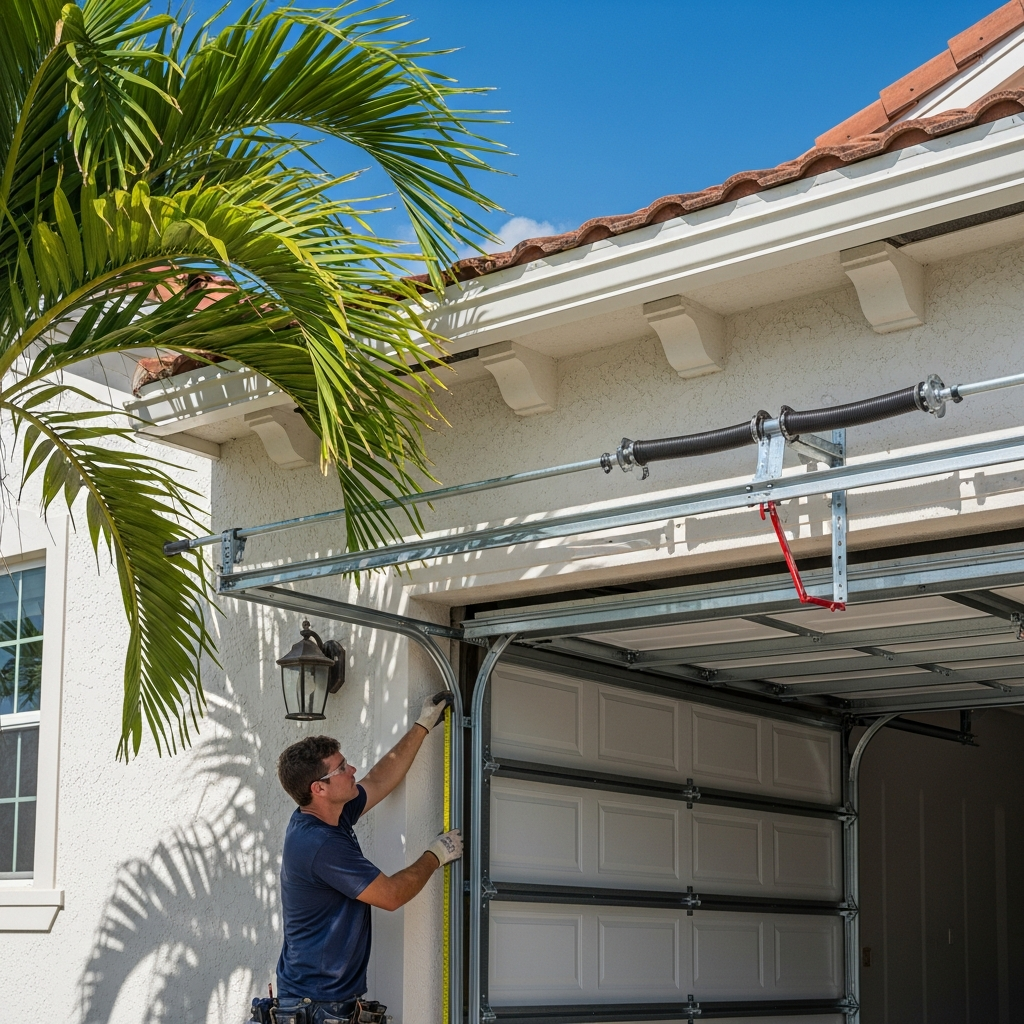
Replacing a garage door in Palm Beach, Florida, is a significant home improvement project that requires careful planning, respect for local building codes, and an understanding of the environmental factors unique to the region. Whether you are dealing with aging hardware, storm damage, or simply upgrading for better curb appeal and functionality, taking a methodical approach will save time, reduce stress, and ensure long-term satisfaction. In the opening phase of your project, researching qualified contractors and learning about the options available to you is essential. Many homeowners start by reviewing trusted local companies that specialize in door installation and compliance; for a dependable point of reference consider garage door replacement services that serve Palm Beach communities.
Understanding Why Replacement May Be Necessary
Not every broken garage door needs a full replacement. In some cases, a component repair such as a new spring, cable, or track alignment will restore serviceability. However, replacement becomes the best option when structural integrity is compromised, the door is obsolete or no longer meets safety standards, recurring failures are occurring, or you seek improved insulation and wind resistance. In Palm Beach, hurricane vulnerability and salt-air corrosion accelerate wear, so even well-maintained doors may require replacement sooner than doors in inland climates.
When assessing whether to repair or replace, inspect the door panels, rollers, tracks, springs, opener, weatherstripping, and hardware. If you find rusted panels or frames, bent tracks, or hardware that repeatedly fails, replacement is likely the wiser long-term investment. A new door can also provide better energy efficiency, noise reduction, and aesthetic uplift that increases property value.
Local Codes, Permits, and Wind Load Considerations
Palm Beach County enforces strict building codes to protect structures against high winds and storms. These regulations often require garage doors to meet specified wind load ratings. Before starting any replacement project, verify permit requirements with your local building department. A reputable installation company will usually handle permit applications and ensure the new door meets current codes.
Wind load certification typically involves selecting doors rated for impact resistance or for high wind pressures commonly encountered during tropical storms. Choosing a door that complies with these standards is not only a legal matter but a safety one: properly rated doors help prevent structural failure that can lead to roof or wall damage during severe weather.
Choosing the Right Door Type and Material
Garage doors come in a variety of materials, each with its own advantages and trade-offs. Common materials include steel, aluminum, wood, and fiberglass. Steel doors are popular for durability and security. They can be insulated and finished to mimic other materials. Aluminum is lighter and resists rust but may dent more easily. Wood offers a classic aesthetic but requires more maintenance and is more susceptible to moisture and pests. Fiberglass resists many environmental factors but may fade or become brittle over time.
In coastal Palm Beach, corrosion resistance is a major factor. Homeowners often choose galvanized or rust-resistant treatments and high-quality finishes. Insulated steel doors with a thermal core are a strong option for many homeowners seeking durability and improved climate control. Consider the R-value for insulated doors if you use the garage as a workshop or an attached living space.
Style, Color, and Architectural Compatibility
Your new garage door should complement the architectural style of your home. Modern homes often pair well with clean, minimalistic door styles, while traditional homes benefit from carriage-house or paneled designs. Color selection affects curb appeal and may be subject to homeowner association (HOA) rules in some neighborhoods. When possible, obtain color chips or digital renderings to visualize the door on your home before making a final selection.
Hardware options also matter: decorative hinges, handles, and windows can significantly influence the final look. If security and light are both priorities, consider doors with small, impact-rated windows placed high enough to prevent easy viewing of the interior while allowing natural light.
Measuring and Customization
Accurate measurements are critical to ensure a proper fit, smooth operation, and sealing against the elements. Doors must align with the opening and have appropriate clearance for tracks and the opener arm. Custom-sized openings or older homes with irregular framing may require additional work to square the opening or add reinforcement. Professional installers will measure for both the door and the reinforcement hardware needed to meet wind load requirements and ensure long-term performance.
Customization can include specialty panels, windows, and insulation options. Ask your installer about available warranties for both the product and the installation work, and request written specifications to ensure the door delivered matches the agreed-upon features.
Selecting a Reputable Contractor
Choosing the right contractor is as important as choosing the right door. Look for companies experienced with Palm Beach installations who can demonstrate knowledge of local codes, wind load requirements, and coastal maintenance issues. Verify licensing, insurance, and references. Read online reviews and ask for examples of recent installations. Reliable installers will provide a detailed written estimate, timelines, and clear information about any permits required.
When getting bids, compare more than price. Consider the scope of work, materials proposed, warranties offered, and the contractor’s responsiveness. A transparent contractor will explain the steps of the project, how they will protect your property during installation, and how they handle disposal of the old door and materials.
Project Timeline and What to Expect on Installation Day
A standard garage door replacement can often be completed in one day, assuming no structural modifications are necessary. The process includes removing the old door and tracks, preparing the opening, installing reinforcement if required, fitting the new door panels and tracks, installing the opener (if included), and testing and adjusting the system. For custom doors or homes requiring framing repairs, the timeline may extend to several days.
On installation day, ensure pets and children are kept away from the work area. Expect some noise and dust. Professional installers should protect flooring and landscaping as they work. They should also perform a complete safety check, including balance testing, spring tension calibration, and sensor alignment, and provide an orientation on operation and maintenance.
Maintenance and Longevity
Regular maintenance extends the durability and reliability of your garage door. Simple tasks include lubricating moving parts with manufacturer-recommended products, keeping tracks clean, testing the auto-reverse safety feature monthly, and inspecting weatherstripping for damage. Coastal environments require vigilance against corrosion; rinse salt residue and inspect hinges and tracks more frequently.
Scheduled professional inspections every 12 to 24 months can catch wear before it becomes a safety issue. Replacing springs in matched sets and using manufacturer-approved components help prevent premature failures. Document maintenance activities and keep warranty paperwork accessible.
Safety Considerations
Garage doors are heavy and operate under high tension due to springs. Never attempt major spring or cable repairs without professional training. A reputable installer will ensure that springs are properly rated and adjusted, that safety sensors are correctly aligned, and that manual release mechanisms and emergency features function properly. Educate family members about keeping clear of moving doors and the dangers of playing under or near a door while it is in motion.
Energy Efficiency and Environmental Impact
If your garage is attached to living spaces, an insulated door improves thermal performance and reduces energy transfer between the garage and the home. Environmental considerations might also include choosing materials with longer service lives that require fewer replacements over time, and selecting finishes and treatments that provide durable protection against the coastal elements. Recyclable materials and responsible disposal of the old door can reduce the environmental footprint of your project.
Financing and Decision-Making Support
While this guide avoids pricing details, understanding your options helps align the project with your goals. Consider whether you prioritize longevity, minimal maintenance, curb appeal, or higher wind performance. Discuss warranty terms and post-installation service with your contractor. A clear contract that outlines deliverables, timeline, and responsibilities prevents misunderstandings.
Common Mistakes to Avoid
Avoid selecting the lowest bid without verifying competence and credentials. Underestimating wind load requirements or skipping permits can result in failed inspections or unsafe performance. DIY spring replacement or hardware modifications poses a real hazard; trust trained professionals for high-tension components. Finally, don’t neglect proper measurement and reinforcement; an improperly supported door increases the risk of structural damage.
Middle Section: Working with Professionals and Warranty Considerations
After comparing options and selecting a design, confirm the installer’s ability to meet manufacturer specifications and local code requirements. A quality contractor will explain the differences between product warranties (covering defects) and labor warranties (covering installation workmanship). Ask for documentation of any wind load or impact ratings and ensure the permit and inspection process is followed. If you need help narrowing down installers or understanding the technical requirements, many homeowners rely on professional networks and referrals to find experienced teams; exploring reputable garage door replacement services can provide clarity on common choices and compliance factors.
When the installation is complete, verify that the contractor has provided operation instructions, maintenance recommendations, and the contact information for warranty support. A thorough walkthrough ensures you are comfortable with normal operation, emergency release procedures, and the preventive maintenance tasks you may perform between professional visits.
Preparing Your Home and Family
Keep your driveway clear on the installation day and alert family members to avoid the garage while work is in progress. If you use the garage for storage, remove items near the door opening and along the track path to prevent damage. Consider protecting sensitive items inside the garage from dust or debris caused by the replacement work.
Teach family members how to operate manual controls and the opener emergency release, and explain the importance of allowing technicians to perform adjustments rather than attempting fixes yourself. Clear communication with the installer about any special circumstances, such as limited access or specific HOA rules, will help the project proceed smoothly.
Frequently Asked Questions
Q: How long does a typical garage door replacement take? A: Many straightforward replacements can be completed in a single day, although custom work or structural repairs can extend the timeline over several days. Your contractor should provide a clear schedule.
Q: Should I replace the opener when I replace the door? A: Not always, but matching a modern opener to a new door can enhance performance, allow for smart features, and ensure compatibility with safety requirements. Discuss operational needs with your installer.
Q: What maintenance is required in a coastal environment? A: Frequent inspections, lubrication of moving parts, rinsing of salt residue, and protective coatings help combat corrosion. Professional check-ups every 12 to 24 months are recommended.
Q: Do I need to get a permit for a garage door in Palm Beach? A: In most cases, yes. Building codes related to wind loads and structural safety typically require permit issuance and an inspection. Your contractor can usually handle permit procurement.
Q: How can I improve the energy efficiency of my garage door? A: Choose an insulated door with a higher R-value and ensure weatherstripping and seals are properly installed. These steps reduce heat transfer and can improve comfort in adjacent living spaces.
Final Thoughts
A successful garage door replacement in Palm Beach requires a balance of practical concerns—such as durability, wind resistance, and adherence to local codes—and aesthetic choices that complement your home. By prioritizing licensed professionals with local experience, understanding material and insulation options, and planning for proper maintenance, you can secure a door that provides safety, functionality, and curb appeal for many years.
To move forward confidently, request written estimates, review warranties, and ask for proof of code compliance. When you are ready to schedule a consultation or explore specific models and installation timelines, reach out to experienced teams that know Palm Beach requirements and homeowner expectations. For a dependable place to begin, contact trusted garage door replacement services to discuss options and scheduling in your neighborhood.