
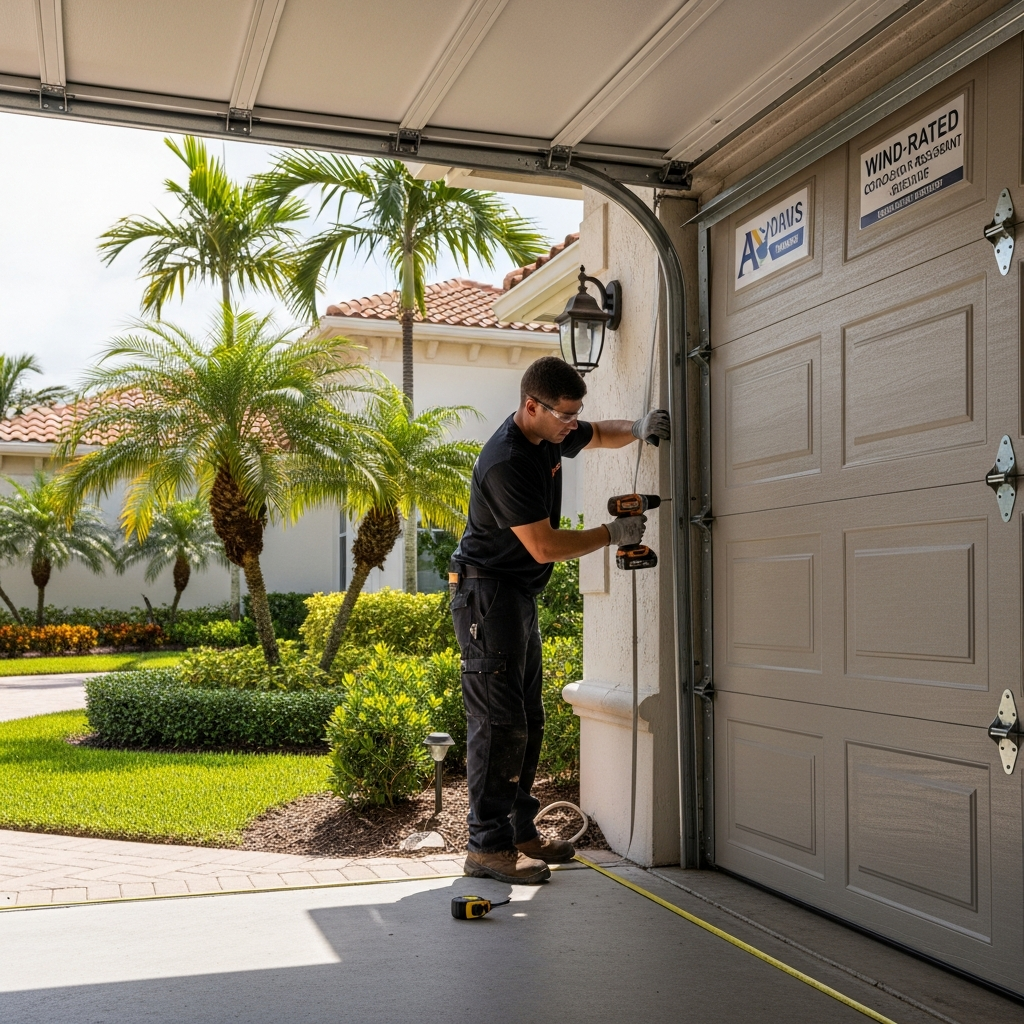
Replacing a garage door is a major home improvement project that affects curb appeal, security, energy efficiency, and daily convenience. In Palm Beach, Florida, homeowners face particular considerations related to wind loading, humidity, and local building regulations. If you are researching how to do a garage door replacement, start with a clear plan, site assessment, and trusted resources. A good first step is to explore professional options such as garage door replacement to understand the range of materials, styles, and permit requirements common in the area.
This guide explains the practical steps, regulatory concerns, design decisions, and maintenance tasks necessary to complete a successful garage door replacement in Palm Beach County. Whether you plan to hire a licensed contractor or manage part of the process yourself, the information below will help you anticipate the timeline, coordinate inspections, and select products that meet both aesthetic and durability expectations. The climate and building codes in Florida make it important to choose components rated for wind resistance and corrosion protection.
Why Replace Your Garage Door
There are a number of reasons homeowners choose to replace their garage doors. Some common motivations include improving curb appeal, increasing home security, replacing an irreparable or damaged door, upgrading insulation for energy efficiency, and ensuring compliance with current building codes. In coastal communities like Palm Beach, older doors may not meet recent wind-load or impact resistance standards. Replacing the door can reduce storm damage risk and may be a requirement when making other structural changes to the garage opening.
A new door can also add functionality and convenience. Modern openers offer smarter controls, quieter operation, and enhanced safety features. Insulated panels improve temperature regulation in attached garages, which matters if the garage is used as a workshop or contains systems that are sensitive to heat and humidity. Ultimately, the decision to replace should balance aesthetics, performance, and long-term maintenance considerations.
Signs It’s Time to Replace
-
Visible structural damage such as large dents, warped panels, or fractured sections that compromise the door’s integrity.
-
Repeated mechanical failures: if springs, rollers, or tracks require frequent repairs, replacement may be more cost-effective and reliable.
-
Security concerns: rusted or weakened panels and frames can allow forced entry more easily than modern, reinforced doors.
-
Noise and vibration: older doors may operate loudly or shake the structure, indicating worn components or imbalance.
-
Poor insulation: if your garage is connected to living spaces, lack of insulation can increase energy use and stress HVAC systems.
-
Outdated style or poor curb appeal: replacement can refresh the exterior appearance and increase market value.
Planning Your Garage Door Replacement
Planning begins with measuring the existing opening, understanding local building code requirements, and assessing whether the current door functions will be maintained or updated. In Palm Beach County, certain projects will require permits and inspections. If your home is within a historic district or a homeowners association (HOA) area, confirm any design restrictions before selecting a style or color.
When planning, document the existing door type, header configuration, and any signs of rot or framing issues. Consider whether you will upgrade the opener simultaneously, since differing control systems or drive types can be simplified during a single replacement. Create a timeline that accounts for lead times on custom materials or specialty finishes, contractor scheduling, and permit processing.
Permits and Local Regulations
Permits are often required for garage door replacement if the project alters structural components, changes the door height or width, or updates wind-load compliance. Palm Beach County and many Florida municipalities enforce strict wind resistance standards due to hurricane risk. Work with a licensed contractor who understands local code and can submit proper documentation and engineered drawings if necessary.
Failing to obtain required permits can result in fines, complications when selling the home, and potential insurance coverage issues after storm damage. A licensed installer can often streamline the permit process and ensure inspections occur at appropriate milestones. Always request that contractors provide proof of license, insurance, and references before proceeding.
Choosing the Right Garage Door
Selecting a garage door involves balancing aesthetics, material performance, maintenance needs, and wind-resistance requirements. Common materials include steel, aluminum, wood, and composite panels. Steel is popular for its strength and low maintenance, while wood offers classic aesthetics but requires more upkeep. Aluminum is lightweight and corrosion-resistant, making it suitable for humid coastal areas if paired with appropriate reinforcement for wind loads.
Insulation options are measured in R-values; higher values offer better thermal performance. If your garage is attached or contains living space, choose an insulated door to reduce temperature swings. Consider finish options such as paint, powder-coating, or factory-applied wood-look finishes that deliver long-term durability against salt air and sun exposure.
Door Styles and Hardware
Panel style, window configuration, and hardware finishes determine the final look. Raised-panel, carriage-house, and flush-panel styles are common choices. Windows add natural light but should be double- or triple-pane if you want improved insulation and security. Select hardware that complements your house exterior; faux decorative hardware can deliver the carriage-house look without the cost of custom wood doors.
Hardware materials should be able to withstand coastal conditions; stainless steel or corrosion-resistant coatings extend the life of hinges, tracks, and fasteners. Also consider upgraded rollers and bearings for quieter operation and reduced maintenance over time.
Garage Door Openers and Controls
Modern openers enhance convenience and safety. Belt-drive openers are quiet and preferred for living spaces above or adjacent to the garage. Chain-drive models are durable but noisier. Ensure your opener is compatible with vehicle remote systems and consider features like battery backup, smartphone integration, and automatic close timers. For coastal climates, look for openers with corrosion-resistant components.
If you are replacing the door and opener together, coordinate with your installer so that wiring, sensor placement, and mounting points are planned in advance. This reduces the likelihood of rework and ensures a seamless installation with optimal performance.
Step-By-Step Replacement Overview
-
Site inspection: assess the opening, framing, and header condition. Identify any needed repairs or reinforcements.
-
Measure precisely: track inside width, height, header clearance, backroom depth, and sideroom. Accurate measurements prevent ordering errors.
-
Obtain permits: work with the installer to submit plans if required by the city or county.
-
Select the door and hardware: finalize material, insulation level, windows, and finish.
-
Remove the old door: disassemble panels, disconnect opener, detach springs and tracks carefully. This step is hazardous and often best handled by professionals due to high-tension springs.
-
Repair or reinforce framing: address any rot, water damage, or inadequate header support revealed during removal.
-
Install new tracks and springs: mount components according to manufacturer specifications and local codes.
-
Hang panels and align: install panels sequentially, confirm level and balance, and adjust rollers and hinges.
-
Install opener and safety sensors: mount the motor, connect wiring, setup remotes, and ensure safety beams are aligned.
-
Final adjustment and testing: verify balance, smooth operation, and emergency release function. Complete any manufacturer testing and provide operation demo for the homeowner.
Safety Considerations
Garage doors are heavy and components like torsion springs store significant energy. Improper handling can cause injury or property damage. Licensed professionals follow safety protocols for spring adjustment, cable installation, and opener mounting. If you choose to do some tasks yourself, leave high-tension components to trained technicians. Always disconnect power before working on openers, and never attempt to remove springs without the proper tools and experience.
Also ensure that safety sensors are installed and tested. These sensors prevent the door from closing on objects or people. Regularly check that sensors are aligned and free of obstruction or corrosion, particularly in salty coastal air.
Maintenance After Replacement
After the replacement, follow a maintenance schedule to prolong the life of the new door. Regular items include lubricating rollers, hinges, and springs as recommended by the manufacturer; checking balance and alignment; testing auto-reverse functions; and inspecting weather seals for wear. Keep tracks clean and free of debris, and monitor any exposed hardware for signs of corrosion.
A maintenance checklist helps keep routines consistent and can include seasonal tasks tailored to the Florida climate, such as rinsing salt buildup and inspecting for moisture intrusion. Document service dates and any parts replaced, which is useful for warranties and future resale value.
Common Challenges and How to Avoid Them
Challenges during replacement often stem from inaccurate measurements, failing to account for wind-load requirements, or selecting materials not suited to coastal exposure. Work with experienced suppliers and installers who provide product warranties and understand local code. Ask for references and examples of completed installations in Palm Beach to confirm the contractor’s ability to manage similar projects.
Another common issue is coordinating permit timelines. Start that conversation early to avoid delays, especially during busy seasons. If your home has an HOA, submit design approvals well before ordering custom doors to prevent costly wait times.
Frequently Asked Questions
-
Q: Will I need a permit to replace my garage door in Palm Beach?
A: Many replacements require permits if they alter framing, change door size, or require wind-load documentation. A licensed installer can advise on local requirements and help submit the necessary paperwork.
-
Q: How long does a typical garage door replacement take?
A: A straightforward replacement often takes one day once materials are on site, though permit approvals and framing repairs can extend the timeline.
-
Q: Can I replace my garage door myself?
A: Some homeowners can perform basic tasks, but torsion springs, cable work, and opener wiring are hazardous and are best handled by professionals.
-
Q: What materials hold up best in coastal Florida?
A: Corrosion-resistant steel with appropriate coatings, aluminum with reinforced framing, and composite panels built for moisture resistance are common choices for coastal durability.
-
Q: How should I maintain a new garage door?
A: Perform routine inspections, lubricate moving parts as recommended, ensure the opener’s safety features are functional, and rinse away salt buildup when necessary.
Replacing a garage door is an investment in safety, curb appeal, and long-term performance. If you are ready to move forward, choose a professional who understands Palm Beach building codes and wind-load requirements. They can help you select the right door for your home, manage permits, and ensure the installation meets manufacturer and local standards.
If you want to explore professional options or request an on-site assessment, consider contacting a specialist who offers comprehensive garage door replacement services that cover product selection, permitting, and installation. Working with an experienced provider simplifies the process and helps ensure a durable, compliant result.
Next Steps and Contact Guidance
Before scheduling any work, gather photos of your existing door and opening, note measurements if possible, and make a list of desired features such as insulation level, window placement, and preferred finish. Verify your HOA guidelines and prepare to share any relevant documentation with a contractor. Ask potential installers about warranty coverage for parts and labor and request a written scope of work.
When you are ready to schedule an evaluation, a qualified team will review the site, discuss material options, and outline permit needs. They will provide a timeline for procurement and installation and explain post-installation maintenance recommendations. If convenience and compliance are priorities, engage a provider who offers full-service solutions and ongoing support. For a professional evaluation and to begin the replacement process, contact a trusted provider of garage door replacement who can guide you from selection through final inspection.