
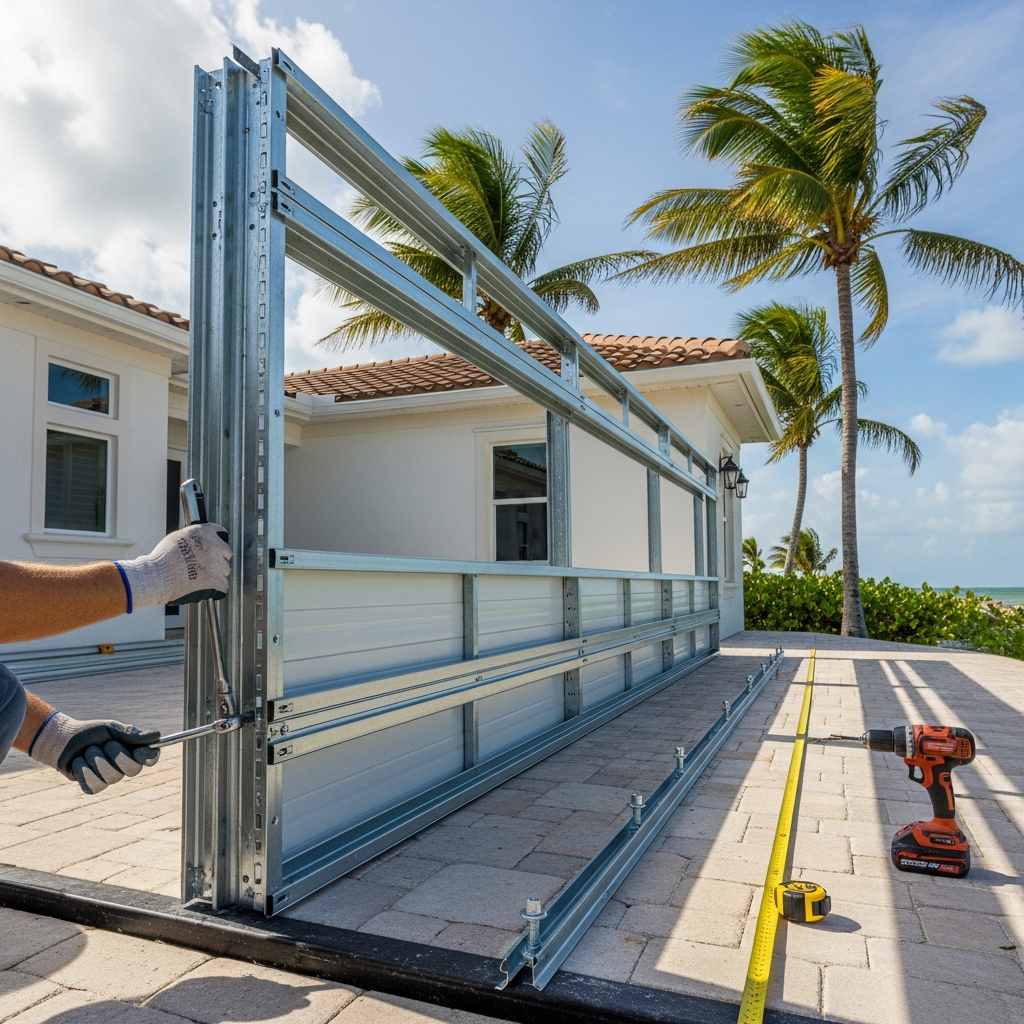
Replacing a garage door is one of the most impactful home improvement projects you can undertake for safety, curb appeal, and long-term value. Whether you are updating an older door to improve weather resistance in Palm Beach Florida, or upgrading to a modern insulated panel system for better energy efficiency, this comprehensive installation guide walks you step-by-step through the process, key decisions, and best practices. For homeowners interested in a professional option, consider scheduling an expert consultation for garage door replacement to ensure proper sizing, hardware selection, and code compliance.
Understanding the fundamentals before you start
Before any physical work begins, it is important to understand the basic components of a garage door system: the door panels, tracks, rollers, springs, cables, opener, and weather seals. Each element influences how the door performs and how the installation will proceed. In Palm Beach Florida, where humidity, salt air, and occasional storms can affect materials, choosing corrosion-resistant hardware and weather-rated doors is especially important.
Measure your garage opening carefully. There are two typical types of openings to consider: the standard single or double door widths and variations such as custom or carriage-house openings. Record the clear width, clear height, sideroom, headroom, and backroom. These dimensions dictate the type of track and spring system you can use and whether a standard torsion spring system will fit.
Selecting the right door for your home
Material choices include steel, aluminum, wood, and composite options. Steel doors are durable and low maintenance, while wood offers a timeless look but requires more upkeep. Insulated doors are beneficial in reducing heat transfer and improving energy efficiency, which can be useful even in Florida summers if you have air-conditioned spaces attached to the garage. Consider impact-rated doors and reinforced frames for improved wind resistance in storm-prone areas.
Style considerations range from traditional raised panels to modern full-view glass designs. Choose a finish and color that complements your home’s exterior. Many manufacturers offer factory-applied finishes that resist peeling and fading, which will help maintain the door’s appearance under sun exposure.
Preparing for installation
- Clear the workspace. Remove vehicles, stored items, and anything that could obstruct the area both inside and outside the garage. Good lighting and ventilation will make the process safer and more efficient.
- Gather tools and materials. Typical items include a level, tape measure, socket and wrench set, pliers, screwdrivers, drill, shims, plumb bob, and safety gear (gloves, eye protection). Specialty tools like spring winding bars are required for torsion spring systems—if you are not experienced, do not attempt spring work yourself.
- Check local codes and HOA requirements. Palm Beach municipalities may have specific requirements for hurricane protection or safety standards, and homeowners associations may have aesthetic rules about door styles or colors.
Step-by-step installation overview
Professional installers typically follow a methodical sequence. Below is an overview suitable for understanding the process and for homeowners who want to oversee or prepare the install.
- Remove the old door and hardware. This involves disconnecting the opener, unbolting tracks, and safely releasing tension from springs. Because springs are under high tension, this step poses the greatest risk, so rely on qualified technicians if you lack specialized tools and experience.
- Inspect the jamb and header. Ensure framing is square and free from rot or significant damage. Reinforce the header if required to handle torsion spring loads.
- Install the new track and springs. Track alignment determines smooth operation; torsion springs must be sized and installed precisely to balance the door weight.
- Mount the panels. Stack and attach panels in sequence from bottom to top, ensuring levels and alignment as you go.
- Install hardware and rollers. Use the specified rollers for the system; sealed-bearing rollers last longer and operate more quietly.
- Connect and test the opener. Modern openers include safety sensors and automatic reversal features—verify these functions thoroughly.
- Weatherproof and finish. Install threshold seals, bottom seals, and check for gaps. Apply any touch-up paint or finishes as recommended by the manufacturer.
Balancing and safety checks
A properly balanced door should be easy to lift manually and should stay in place when positioned halfway. Balance testing is critical to longevity—the opener should not be lifting the entire weight. Adjusting torsion springs safely requires training; small errors can result in dangerous failures.
Test auto-reverse sensors by placing an object in the path of the closing door. The system should detect the obstruction and reverse. Check photo-eye alignment and keep them clean from dirt and spider webs which are common in coastal climates.
Weather protection and coastal considerations
In Palm Beach Florida, select finishes and hardware designed for coastal environments. Choose stainless steel fasteners where possible and select powder-coated or marine-grade hardware to resist salt corrosion. Consider full-view or sealed-panel doors with thermal breaks if your garage is attached to living space to help maintain interior temperatures.
Common installation pitfalls and how to avoid them
One common issue is improper track alignment which causes noisy operation and premature roller wear. Use a long level or laser to confirm vertical alignment and slope. Another frequent mistake is undersized or incorrectly rated springs—using the wrong spring affects balance and can accelerate component failure.
Avoid cutting corners on fasteners and reinforcement. Skimping on header support or using inadequate lag screws can lead to structural stress over time. If your project seems to require significant framing changes, discuss those with a contractor prior to ordering the door.
Maintenance tips after installation
After a professional installation, regular maintenance will extend the life of the door and keep it operating safely. Lubricate rollers, hinges, and springs twice yearly; check tension and balance annually; and inspect weather seals for cracking. Keep tracks free of debris and clean photo-eye sensors regularly. If you notice unusual noises or changes in operation, schedule an inspection promptly to prevent larger failures.
Warranty, parts, and long-term care
Keep all documentation, model numbers, and warranty information in a safe place. Warranties vary by manufacturer and often cover panels, springs, and hardware for different terms. Registered installation with the manufacturer may extend certain protections. For replacement parts, source components from reputable suppliers or directly from the manufacturer to ensure compatibility.
Frequently Asked Questions
How long does a professional garage door installation typically take? A standard residential installation usually takes 4 to 8 hours depending on complexity, whether tracks require modification, and if electrical work for the opener is necessary.
Can I install a garage door myself? While handy homeowners can manage panel mounting and basic adjustments, spring removal and installation are high-risk tasks. If the job involves torsion spring work, hire a qualified technician to avoid injury and ensure proper balance.
Do I need an impact-rated door in Palm Beach? Many homeowners in coastal Florida elect to install impact-rated doors or shutters for storm protection and to meet local building codes. Check local code requirements for the applicable wind load zone and consider impact-rated options for added safety.
What maintenance should I perform after installation? Regular lubrication, visual inspection, balance checks, and sensor cleaning are the main tasks. Annual professional inspection is recommended to catch small issues before they become costly.
When should I call a professional? Call a professional if you notice erratic operation, loud or grinding noises, visible damage, or if you need spring adjustments. Professionals can also verify alignment and perform safety checks that require experience and specialized tools.
Replacing a garage door is a significant investment in home safety, comfort, and curb appeal. Proper planning, selecting the right materials for the climate, and following a careful installation sequence will deliver reliable performance for years. If you are considering hiring an expert for a seamless transition, a certified technician can help assess your needs and ensure compliance with local regulations. For hands-on professional support with selection and installation, consider reaching out for a consultation for garage door replacement to make sure all aspects are covered and the installation meets your expectations.
Ready to take the next step? Contact a local installer to schedule an in-home evaluation, review design options, and confirm timelines. Proper installation protects your investment and ensures your new garage door operates safely and smoothly. When you’re ready, arrange a consultation and installation appointment to begin the transformation with confidence and expert support from certified professionals who understand the unique needs of Palm Beach homeowners. For more information or to request service, learn about garage door replacement.