
Introduction
Accurate troubleshooting saves time, prevents unnecessary part swaps, and keeps your Fort Lauderdale garage door safe and reliable. Whether you are facing sudden reversals, grinding noises, or a door that will not open, a systematic approach helps you find the root cause quickly. This step-by-step guide shows you how to diagnose the most common issues, what to fix first, and when to bring in a professional. If you prefer expert assistance at any stage, schedule trusted garage door repair to restore safe operation without delay.
Bring a flashlight, a stable ladder, and a patient mindset. Each step builds on the last so you can eliminate variables and focus on the true source of the problem.
Step 1: Observe the Full Cycle
Start by watching your door from start to finish. Note where the motion becomes rough, where the noise is loudest, and whether the door tilts. Observe the opener light, listen for motor strain, and check for vibration in the mounting. If the door stops or reverses, pinpoint the exact height where it occurs—this clue helps distinguish sensor issues from binding or limit settings.
Step 2: Verify Safety Sensors
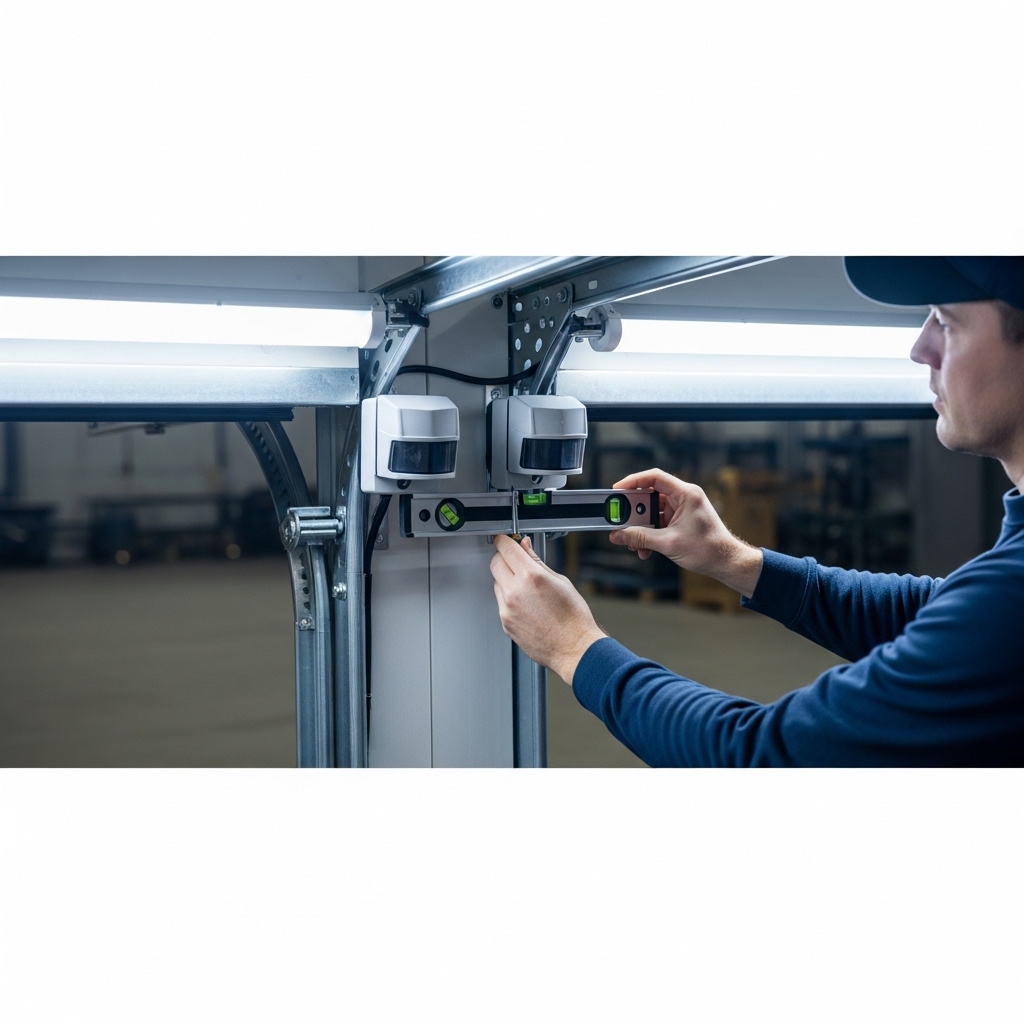
- Inspect the photo eyes for dust, spider webs, or misalignment.
- Confirm both sensors are mounted firmly at the same height.
- Ensure wiring is intact and not pinched or frayed.
- Test closing again after cleaning and realignment.
If the door closes properly after this step, you have isolated the cause. If not, continue.
Step 3: Test Door Balance
Pull the emergency release with the door closed, then lift it halfway. A properly balanced door stays in place. If the door slams down or shoots up, the springs are not balanced and the opener may be overworked. Leave spring adjustments to professionals and avoid further operation until the balance issue is addressed.
Step 4: Inspect Tracks and Rollers
- Look for bends in tracks and shiny rub marks indicating binding.
- Check roller stems and bearings for wobble or flat spots.
- Wipe debris from tracks; do not grease the track surface.
- Lubricate rollers and hinges lightly with a silicone-based product.
Run the door again and listen for improvement. If motion is smoother and noise drops, you are closing in on the cause.
Step 5: Evaluate the Opener
- Check drive type: Chain, belt, screw, or direct. Inspect for wear and proper tension.
- Review limit and force settings. Incorrect limits can cause mid-cycle stops or reversals.
- Inspect mounting hardware. Loose brackets transmit vibration and noise.
- Look for signs of logic board issues, such as erratic lights or random behavior.
If the door moves freely by hand but fails under power, the opener or its settings may be the culprit.
Step 6: Examine Springs and Cables
Springs and cables bear the door’s weight and must be in good condition. Look for gaps in torsion springs, rust, or uneven cable tension. Do not attempt adjustments yourself—high tension makes these components dangerous without proper tools and training.
Step 7: Consider Fort Lauderdale Weather Factors
Humidity, salt air, and heat contribute to corrosion and dry-out of lubricants. Storm impacts can bend tracks, loosen fasteners, and misalign panels. If the door developed problems after high winds or heavy rain, inspect structural alignment carefully before further use.
Halfway Check: Confirm or Escalate
At this stage, many issues resolve with sensor cleaning, lubrication, and small hardware corrections. If the problem remains or involves springs, cables, or bent tracks, schedule professional garage door repair to address the fault safely and thoroughly.
Hard-to-Diagnose Symptoms and Likely Causes
- Door stalls mid-rise: Binding in tracks, weak springs, or opener force limits set too low.
- Rumble or vibration from the ceiling: Loose mounting hardware, missing vibration isolators, or a chain that is too tight.
- Slow operation in heat: Dry lubrication, worn rollers, or an opener under strain.
- Random reversals with no obstruction: Sensor wiring issues, misalignment, or balance problems.
- Door crooked at the top: Cable tension imbalance or track misalignment near the header.
Upgrades That Solve Recurring Problems
- Nylon rollers to cut friction and reduce noise.
- Belt-drive opener for quieter performance and fewer vibrations.
- Reinforcement struts to improve panel rigidity during wind events.
- High-cycle springs for doors used as a primary entrance.
- Fresh weather seals to keep moisture and heat at bay.
Preventive Routine for Lasting Results
- Monthly: Observe a complete cycle, clean sensors, and note changes in speed or sound.
- Quarterly: Lubricate rollers, hinges, and springs; tighten accessible hardware.
- Biannually: Test balance and inspect cables and tracks for wear or damage.
- Pre-storm season: Verify reinforcement, track security, and manual release operation.
Frequently Asked Questions
Q: Why does my door reverse intermittently? A: Clean the photo eyes and verify alignment. If issues persist, inspect balance and opener force limits.
Q: Can I fix a bent track myself? A: Minor tweaks may be possible, but significant bends weaken alignment and should be handled by a professional.
Q: What does a loud bang mean? A: Often a broken spring. Stop using the door and seek service immediately.
Q: How do I reduce opener noise? A: Consider a belt drive, use vibration isolators, and ensure hardware is tight.
Q: Is it normal for the door to drift when half open? A: No. Drifting indicates a balance issue that needs professional attention.
Q: How can I protect hardware from salt air? A: Rinse exposed parts periodically and maintain lubrication as a protective film.
Q: Should I lubricate the tracks? A: Keep tracks clean but ungreased; apply lubricant only to rollers and hinges.
Q: What if my remote works but the wall control does not? A: Check wall control wiring and the lock function if your opener has one; consult a technician if needed.
Move Forward with Confidence
With a clear troubleshooting path—observe, clean, test balance, adjust hardware, and evaluate the opener—you can resolve many problems quickly. When high-tension parts, structural damage, or persistent faults are involved, bring in a professional for safe, lasting results. For dependable service and a door that operates smoothly day after day, schedule expert garage door repair and enjoy peace of mind in every cycle.