
Introduction
Troubleshooting common garage door problems helps homeowners understand the symptoms and decide when DIY fixes are appropriate versus when professional intervention is required. Palm Beach homeowners face unique challenges such as salt-induced corrosion, frequent storms, and high humidity that can accelerate wear. This troubleshooting guide covers practical steps to diagnose issues safely and efficiently. If you prefer to have a trained technician assess a persistent or dangerous problem, schedule service with reputable garage door repair services to ensure safe, code-compliant repairs.
Door Won’t Open or Close
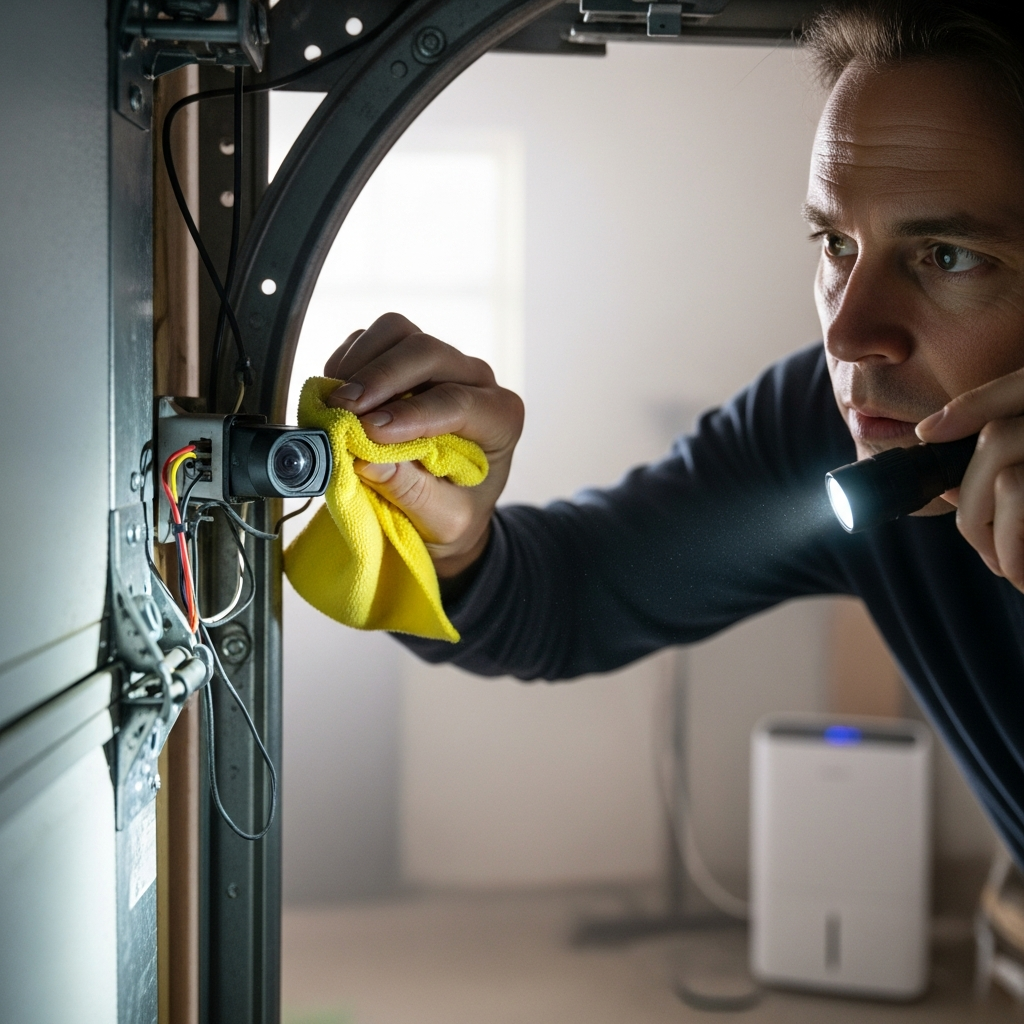
Start with the obvious checks: confirm the opener is receiving power and that remote batteries are fresh. Inspect the outlet and the opener’s power cord for damage. If the opener has lights that blink, consult the manual for diagnostic patterns. Check the photo-eye sensors near the floor for alignment issues and cleanliness—dirt, spider webs, or misalignment commonly cause the door to reverse or not close. If the door moves partially and then stops, check for obstructions in the track and examine the limit settings on the opener. For doors that do not move at all, the problem may be mechanical (broken spring or disconnected cable) and requires professional handling.
Door Reverses Unexpectedly
If the door reverses immediately after closing or during travel, first clear the area of objects and test the photo-eyes for alignment by covering one sensor gently; the door should not close if the sensor beam is interrupted. Inspect for loose or damaged wiring to the sensors and remotes. If sensors and wiring appear fine, adjust the close force and limit settings on the opener as recommended by the manufacturer. If adjustment does not resolve the issue, there may be internal mechanical problems with the opener or worn hardware affecting balance.
Unusual Noises
Loud bangs, grinding, or squeaking can indicate specific faults. Squeaks usually indicate a need for lubrication on hinges, rollers, and springs. Grinding from the opener can point to worn gears, necessitating inspection or replacement of the drive gear assembly. A loud bang mid-cycle could indicate a failing spring or a cable issue—these are safety risks and require immediate professional attention. Record the sound and when it occurs to help the technician diagnose the issue.
Door Is Off Track
If your door has jumped the track, do not attempt to operate it. A derailed door can cause injury or further damage. Secure the area and call a professional. Technicians will realign the tracks, ensure rollers are seated properly, and check for bent sections or loose anchors. They will also test the door balance and the springs to prevent reoccurrence.
Slow or Uneven Movement
Slow or uneven operation often arises from worn rollers, misaligned tracks, or insufficient lubrication. Inspect rollers for cracking or flattening and consider replacing them with long-lasting sealed or steel rollers. Clean the tracks, and check for dents or debris that might impede movement. Evaluate if panels are warped or heavy on one side, which can indicate broken springs or imbalance requiring professional spring adjustment or replacement.
Opener Remote Range Reduced
If remote range decreases, replace batteries first. If that does not help, check for new sources of interference such as installed LED lighting that can interfere with older openers, new wireless devices, or nearby strong radio signals. Reprogram remotes and test operation at various distances. For persistent range issues, an upgraded opener with modern radio frequency protocols may be recommended.
Manual Release Won’t Engage or Disengage
The manual release should let you disengage the opener to move the door manually during power outages. If the release mechanism is stiff or stuck, inspect the release cord and latch for damage, and try to manually operate it gently. If the mechanism will not operate, do not force it; attempting to move an engaged automatic system under tension can cause injury. Call a professional to inspect the release and the condition of springs and cables.
Rust and Corrosion Signs
Rust on springs, tracks, or rollers is common in coastal areas and can lead to premature failure. Light surface rust can sometimes be treated with cleaning and application of rust-resistant lubricants, but significant corrosion often necessitates replacement of affected parts. Use corrosion-resistant replacements when possible, and rinse salt deposits periodically to minimize ongoing damage if you are near the ocean.
Door Stuck Partially Open
A door stuck halfway may indicate balance issues, broken springs, or binding in the tracks. Attempting to force the door open using the opener can strain the motor and cause further damage. Secure the area and contact a technician who can safely assess the balance, springs, and mechanical components. If you must access the garage, use manual lifting carefully and only if the springs are intact and the door is light enough to lift without strain.
Sensors Malfunction Intermittently
Intermittent sensor operation could be caused by loose wiring, alignment changes due to temperature or settling, or buildup on the sensor lenses. Clean the lenses, secure wiring, and re-align the sensors. If problems persist, test the opener’s diagnostic mode or consult a technician to test wiring continuity and sensor function thoroughly.
Door Makes Thumping or Banging Noises
Thumping often points to unbalanced panels or broken rollers. Inspect for damaged panels and test the door balance by disconnecting the opener and lifting manually to the halfway point; the door should stay in position if balanced. If it drifts, the springs likely need adjustment or replacement. Banging noises at the end of travel can indicate misset limit switches or worn bumper assemblies and warrant adjustment by a technician.
What to Inspect Before Calling a Technician
Before calling, note the symptoms: when the problem started, whether it is intermittent, what noises accompany it, and whether there was any event like a vehicle strike or storm. Take photos or a short video showing the door’s behavior and any visible damage. This information helps technicians prepare and may expedite repairs.
Immediate Safety Measures
If you detect a broken spring, frayed cable, exposed broken hardware, or anything that poses an immediate danger, keep the door closed for security and safety, and call for emergency service. Avoid using the opener or manual attempts to correct tensioned parts. Keep children and pets away from the door until a professional confirms it is safe to operate.
When DIY Is Acceptable
Homeowners can perform basic tasks such as tightening loose bolts, cleaning tracks, replacing remote batteries, and applying lubricant to recommended areas. Never attempt to adjust or replace springs, cables, or any tensioned components. For all major mechanical and safety-related repairs, engage a trained technician with the right tools and experience.
Frequently Asked Questions
Q: My door hums but does not move—what should I do?
A: A humming motor often indicates an electrical problem or a disengaged carriage. Check power and remotes, and if the motor hums without movement, contact a technician to inspect the opener motor and drive assembly.
Q: How can I test my auto-reverse sensors?
A: Place a padded object under the door and press close. The door should stop and reverse upon contact. Also interrupt the photo-eye beam during closing to ensure it reverses. If it fails either test, stop using the door and call a professional.
Q: Why does my door open unevenly?
A: Uneven opening usually signals spring imbalance, broken cables, or worn rollers. Have a technician evaluate and correct the imbalance.
Final Advice and Next Steps
Troubleshooting helps clarify whether a problem is simple or requires immediate professional repair. Keep a checklist of symptoms, document occurrences, and prepare photos or videos for technicians. For complex or hazardous issues, especially those involving springs, cables, and severe corrosion, defer to trained professionals who can perform safe, lasting repairs. If you need thorough diagnostics, emergency service, or preventative maintenance in Palm Beach, contact experienced technicians who can restore safe operation and recommend durable, corrosion-resistant solutions.
When you are ready to resolve persistent or hazardous problems and want dependable local expertise, schedule service with qualified garage door repair services to ensure your door is repaired safely and returned to reliable operation.