
Introduction to Troubleshooting Garage Door Issues
Troubleshooting garage door issues starts with careful observation and basic tests. Many homeowners can identify common problems through simple diagnostics before calling a professional. Recognizing symptoms such as uneven movement, slow operation, unusual noises, or failure to respond can lead to faster repairs and reduce the risk of further damage. If initial troubleshooting does not resolve the issue, or if the problem involves springs, cables, or electrical components, contact an experienced provider like those offering professional garage door repair for a safe and comprehensive solution.
Initial Safety Checks
Always begin by ensuring the environment around the door is safe. Clear the area of people, pets, and obstructions. Disconnect the opener to test manual operation and ensure the door can be moved by hand. If the door is heavy, stick or bind at any point, or moves unpredictably, do not force it. These signs suggest serious mechanical issues that require professional attention.
Also, check power sources if the issue seems electrical. Ensure the opener is plugged in and that GFCI circuits have not tripped. Test remotes and wall controls with fresh batteries or alternative control devices to rule out simple electrical faults before escalating diagnostics.
Troubleshooting Common Symptoms
Below are common symptoms and straightforward troubleshooting steps you can perform safely:
- Door Doesn’t Move: Check the opener power and wall switch. Inspect for obstructions in the track. If the door is locked or manually disabled, follow the opener manual to re-engage automatic function.
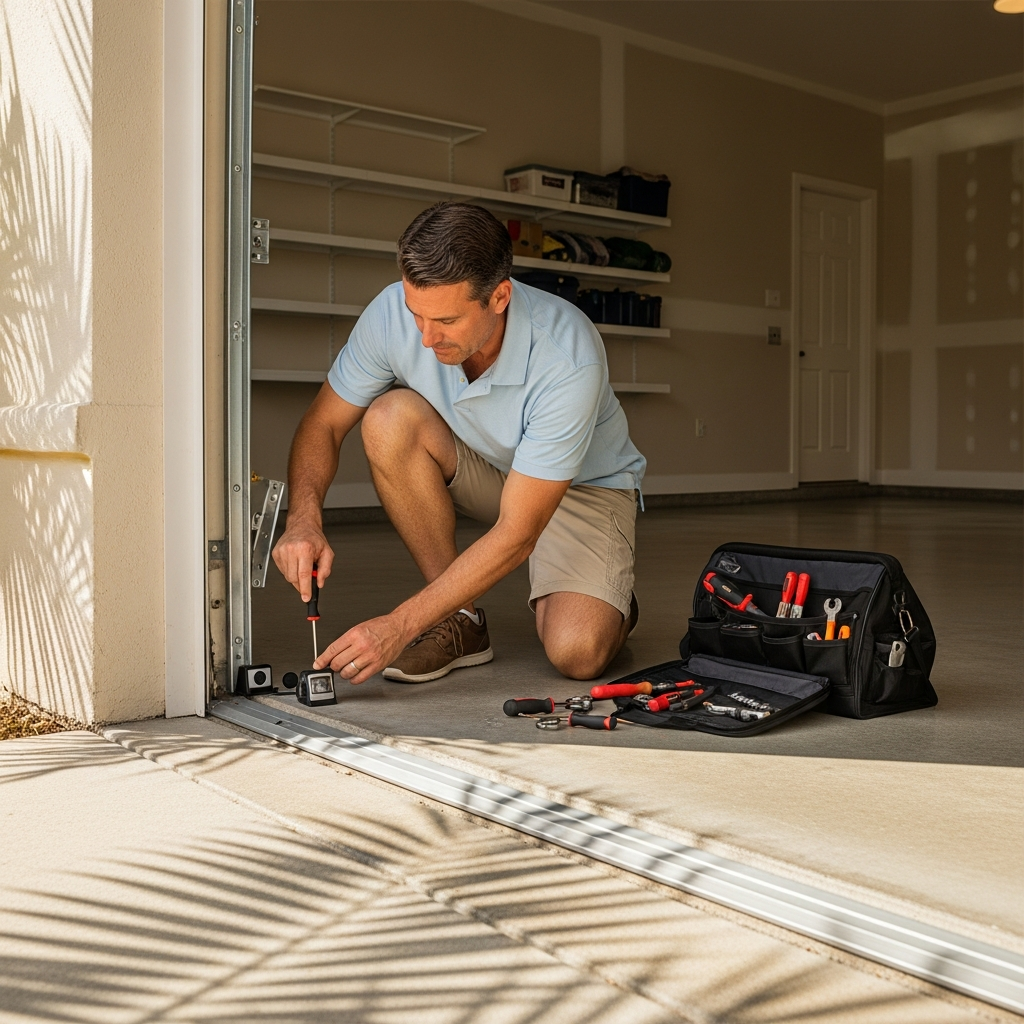
- Door Reverses After Hitting Floor: The auto-reverse safety sensors may be misaligned or obstructed. Clean sensor lenses and ensure they face each other with a clear line of sight.
- Door Makes Loud Noises: Identify the noise source. Worn rollers, loose hardware, or dry bearings are common culprits. Lubricate moving parts and tighten bolts if safe to do so.
- Door Is Off-Track: Do not operate the door if the tracking is visibly out of alignment. This requires professional realignment and potential roller or track replacement.
- Opener Runs but Door Doesn’t Move: The emergency release may be engaged or the trolley disconnected. Reconnect according to the manufacturer’s guidance, or call a technician if you are unsure.
Testing the Balance and Springs
Testing the door balance helps identify spring tension issues. To test, disconnect the opener and lift the door to the halfway point. If the door stays in place, the balance is acceptable. If it falls or rises, the springs may be incorrectly adjusted or need replacement. Because springs are under high tension, any adjustment or replacement should be done by a certified technician to prevent injury.
Opener-Specific Troubleshooting
Modern openers include belt, chain, and screw drives, each with unique maintenance needs. Problems such as intermittent operation, excessive noise, or slow response can stem from motor wear, circuit board failure, or sensor issues. Check the following:
- Remotes and Keypads: Replace batteries and reprogram remotes if necessary.
- Limit and Force Settings: If the door reverses prematurely or doesn’t close fully, limit and force settings may need adjustment by a technician.
- Obstruction Sensors: Verify that photo-eye sensors are clean and aligned.
Middle Section: Practical Diagnostic Steps
In the middle of your troubleshooting process, collect information that helps a technician diagnose the issue faster. Note the make and model of your opener, how long the problem has existed, any recent changes to the door or opener, and any noises you observe. Documenting these details prior to calling a technician can reduce diagnostic time and improve the accuracy of the repair plan.
If you are uncertain about the source of the problem, reach out to professionals who provide local expertise and can perform a comprehensive diagnostic. Book a visit with a qualified garage door repair team to ensure safe handling of springs, cables, and electrical components.
When to Stop Troubleshooting and Call for Help
If you encounter any of the following during troubleshooting, stop and call a professional immediately:
- Visible broken springs or cables.
- Door panels that appear bent or significantly damaged.
- Door binding in the track or falling when partially opened.
- Burning smells or visible smoke from the opener or wiring.
- Any sign of structural failure or risk to personal safety.
Professional technicians are trained to address these hazards safely and will have the necessary parts and tools on hand to complete repairs correctly. Attempting to proceed with repairs in these scenarios can cause injury and further damage.
FAQ
-
Q: Why does my door close then immediately open again?
A: This often indicates an alignment issue with the safety photo-eye sensors or an obstruction in the path of the door. Clean the sensors and ensure they are properly aligned and unobstructed.
-
Q: My remote range is very short — what can I do?
A: Replace the remote battery and test from various positions. If range remains short, an internal antenna on the opener or interference could be the problem; consult a technician.
-
Q: Is it safe to use the door if it’s making new grinding noises?
A: Operate with caution and avoid repeated cycles. Grinding sounds can signal worn bearings or rollers and should be inspected to prevent breakdown.
-
Q: What if the door is stuck halfway open?
A: Do not force the door. Disconnect the opener and carefully check for visible obstructions or broken hardware. Call a professional for safe repairs.
-
Q: Can cold weather affect my garage door performance in Palm Beach?
A: Cold snaps are rare in Palm Beach but sudden temperature changes can affect lubrication and battery performance. Maintain lubricants recommended by manufacturers and replace batteries regularly.
Closing Recommendations
Proper troubleshooting reduces downtime and helps guide repairs efficiently. Start with basic safety checks and simple diagnostic steps, but never attempt to repair springs or other high-tension components yourself. For complex issues or when safety is a concern, partner with an experienced local service. Their expertise ensures repairs are completed safely and that the garage door system returns to reliable operation.
For a thorough diagnostic or professional repair, contact specialists who provide reliable garage door repair services and can respond quickly to restore your door’s functionality and safety.