Proper maintenance of your garage door is crucial for safety, reliability, and longevity—especially in Palm Beach, Florida’s coastal climate. Routine checks and preventative care reduce the risk of sudden failures and keep your door operating smoothly year-round. This guide provides practical maintenance tips, seasonal considerations, and clear instructions for when to call a professional. For expert assistance or if you prefer professional maintenance plans, consider reliable garage door repair services in the Palm Beach area. These tips will help you understand key maintenance tasks and how to protect your door from environmental stresses common to South Florida.
Why Regular Maintenance Matters
Garage doors are complex systems combining springs, cables, rollers, tracks, and electronic openers. Regular maintenance ensures these components work together smoothly. Preventive care avoids many costly repairs, reduces downtime, and enhances security. In Palm Beach, salt air and high humidity accelerate rust and corrosion, while strong sun exposure can dry and crack seals. Addressing these environmental effects proactively helps prevent premature failure.
Routine maintenance also improves safety. Many homeowner injuries related to garage doors occur when components fail suddenly, such as springs or cables. A scheduled inspection identifies worn parts before they reach a dangerous condition.
Monthly Basic Checks Homeowners Can Do
Performing simple monthly checks helps catch issues early. Listen for unusual noises during operation; grinding, screeching, or clanking can indicate worn rollers, dry bearings, or misaligned tracks. Observe the door’s travel—if it shakes, pauses, or moves unevenly, it may be unbalanced or have a damaged spring or roller.
Inspect the weather seal at the bottom of the door and around the frame for cracking or detachment. Replace seals when they become brittle to maintain energy efficiency and prevent pests and water intrusion. Look for visible rust on hardware and hinges; light corrosion may be cleaned and treated, but advanced rust warrants professional inspection.
Quarterly Lubrication and Hardware Tightening
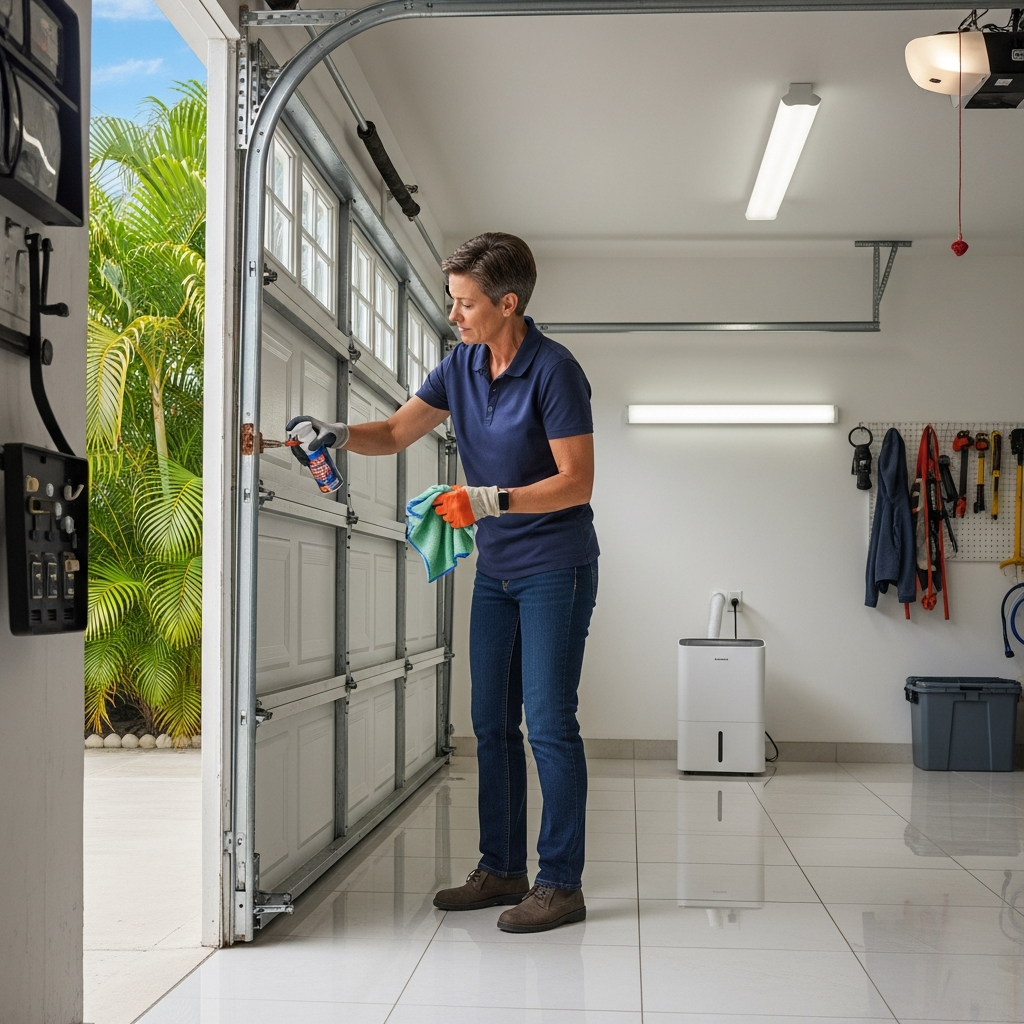
Quarterly maintenance typically includes lubrication and tightening hardware. Use manufacturer-recommended lubricants for rollers, hinges, and springs; avoid heavy oils that attract dust and debris. Lubricate pivot points and bearings, but do not lubricate nylon rollers—their design often relies on different care. Tighten loose bolts and screws on tracks, hinges, and the opener bracket. Vibration from regular operation can loosen hardware over time.
Check the balance of the door by disconnecting the opener and manually raising the door halfway; if it stays in place, it’s balanced. If it slides up or down, the springs may need adjustment by a professional.
Inspecting and Maintaining the Opener
The garage door opener requires its own attention. Test the safety reversing sensors at least monthly by placing an object in the door’s path—if the door does not reverse, the sensors may be misaligned or obstructed. Replace batteries in remote transmitters and test keypad and smart features regularly to ensure reliable operation. If your opener uses a belt drive, check for tension and unusual wear.
Keep opener vents clear of dust and ensure proper electrical connections. For smart openers, keep firmware updated per the manufacturer’s instructions to maintain security and functionality.
Dealing with Corrosion and Coastal Wear
Salt is a significant factor in coastal areas. To slow corrosion, rinse metal components occasionally with fresh water and dry them. Consider applying protective coatings recommended by manufacturers. Replace fasteners with stainless steel options where feasible, and select hardware designed for coastal environments when making replacements. Corrosion-resistant rollers, springs, and track components extend service life and reduce repair frequency.
Seal exposed wood door edges and maintain paint or finish to protect against moisture infiltration. UV-resistant materials for seals and weatherstripping decrease rapid degradation caused by intense sun exposure.
Seasonal Maintenance Checklist
Seasonal care helps prepare doors for heavy use and storms. Before hurricane season, inspect anchor points, reinforce loose brackets, and ensure emergency release mechanisms function properly. After storms, check for dents, track misalignment, and damage to seals or panels. In cooler months, watch for contracting materials that can loosen hardware or create gaps in seals.
Spring is a good time for a comprehensive inspection and any repainting or resealing work needed after winter weather. Fall maintenance can focus on clearing debris and ensuring sensors and seals are ready for stronger winds and rain.
DIY Maintenance Tasks You Can Safely Perform
There are several maintenance tasks homeowners can undertake safely: clean the tracks with a damp cloth, remove debris from rollers and track bases, and perform visual inspections of cables and springs. Replace weatherstripping when it becomes brittle and check for loose screws or hardware. Tighten curtain brackets that hold sensors and ensure safety eyes are aligned.
Never attempt to adjust or replace torsion springs yourself; these components are under high tension and require specialized tools and training. Similarly, cable replacement and complex track repairs should be left to professionals to prevent injury and further damage.
When to Call a Technician
Call a professional if you notice broken springs, frayed cables, noises indicating bearing or motor failure, or if the door binds or hangs on one side. If the opener runs but the door won’t move, this often indicates a mechanical imbalance or broken cable and should be evaluated by a technician. Also seek assistance if the door fails safety sensor checks, if panels are cracked or significantly dented, or if you detect structural issues at the frame or header that could compromise safe operation.
Middle Section: The Value of Professional Maintenance Plans
Professional maintenance plans provide scheduled inspections and proactive care. Technicians will check balance, tension, alignment, and wear, and they can clean, lubricate, and adjust components properly. Maintenance plans often prioritize clients for emergency service and can reduce the likelihood of sudden failures by addressing small issues before they escalate. In Palm Beach, maintenance contracts typically include corrosion monitoring and recommendations for coastal-resistant upgrades.
These plans are particularly useful for landlords, HOA boards, and homeowners who want consistent upkeep without having to remember dates and tasks. Technicians document findings, advise on replacement timelines, and can implement preemptive repairs on key components to avoid service interruptions.
Upgrades That Improve Longevity and Performance
Consider upgrades like corrosion-resistant hardware, higher-grade rollers, and improved weather seals to extend lifespan. Smart openers with built-in diagnostics can alert you to issues before they become serious. Reinforced tracks and hurricane-rated panels enhance structural performance in strong winds. When replacing old components, choose parts recommended for coastal use to minimize recurring maintenance due to rust and sun damage.
FAQs
Q: How often should I lubricate moving parts? A: Lubrication is typically recommended every three to six months, depending on use and environmental exposure. Use products specified by the door or hardware manufacturer to avoid attracting dust or degrading parts.
Q: Is it safe to paint my garage door myself? A: Painting can enhance appearance and protect surfaces, but avoid painting over weatherstripping or sensors. Use paints suitable for exterior use and follow preparation steps to ensure proper adhesion. If uncertain, consult a professional for guidance on materials and application.
Q: Are nylon rollers better than metal rollers? A: Nylon rollers tend to be quieter and resist corrosion better than steel rollers, though compatibility with your door’s hardware matters. Discuss options with a technician to determine the best choice for your door type and environment.
Q: What should I do after a storm? A: Inspect the door for visible damage, check tracks and rollers for bending, test the opener and sensors, and contact a technician for any structural or mechanical concerns. Addressing issues promptly prevents further damage and secures your property.
Maintaining a garage door in Palm Beach requires regular attention and a few coastal-specific strategies. Monthly checks, quarterly lubrication, and seasonal preparation protect against accelerated wear from humidity, salt, and sun. For tasks beyond basic care, or for scheduled professional inspections, reach out to qualified technicians who understand local conditions and provide comprehensive maintenance options. If you prefer professional assistance or a maintenance plan to keep your system in top shape, contact trusted garage door repair services in your area to discuss options and schedule care.
Adopting a proactive maintenance routine helps prevent emergencies, improves safety, and extends the life of your garage door system. Combining homeowner diligence with professional support ensures dependable performance and reduces the chance of unexpected failures.
To protect your investment and keep your door operating safely, create a simple maintenance calendar, perform regular inspections, and work with experienced professionals for complex tasks and periodic evaluations. When you need skilled support for inspections, repairs, or upgrades suited to Palm Beach’s environment, contact experienced teams who offer reliable service and expert recommendations.