
Garage Door Repair Maintenance Checklist for Palm Beach Florida Homes
Maintaining your garage door is one of the best investments you can make in home safety and convenience. Regular maintenance reduces the likelihood of sudden failures, extends the life of components, and helps the door operate quietly and reliably. Residents of Palm Beach, Florida face unique environmental challenges such as high humidity, salt air, and occasional severe weather, which make a disciplined maintenance routine especially valuable. This comprehensive checklist outlines practical inspection steps, routine care tasks, and seasonal considerations to keep your garage door functioning well year-round. For professional assistance with repairs identified during inspection, a trusted specialist in garage door repair can provide expert service and recommendations.
This guide emphasizes safety and clear instructions. Many maintenance tasks are safe for homeowners to perform, while others — particularly spring adjustments and electrical repairs — should be left to experienced technicians. Follow the checklist as part of a scheduled maintenance plan: monthly quick checks, quarterly minor adjustments, and an annual comprehensive inspection by a professional. By tracking maintenance activity, you can identify patterns of wear and make informed decisions about upgrades or replacements that improve long-term performance.
Monthly Visual Inspection
Begin with a simple monthly inspection that takes just a few minutes. Look for visible signs of wear or damage such as cracked or dented panels, loose hardware, or excessive rust on metal components. Inspect the bottom seal and weatherstripping for deterioration and ensure the threshold seal is providing a tight fit to keep out rain, pests, and wind-driven debris. Check rollers, hinges, and tracks for obvious misalignment or bending. If you notice anything out of the ordinary, document it and schedule a more detailed evaluation.
Also test the door’s balance by disconnecting the opener with the emergency release and manually lifting the door to the halfway point. A properly balanced door should stay in place without significant upward or downward drift. If the door moves erratically or is difficult to lift, springs or cables may be failing, and you should call a professional rather than attempting spring repairs yourself.
Quarterly Mechanical Checks
Every few months, conduct a more thorough mechanical check. Tighten loose nuts and bolts on brackets and hinges, but be careful not to overtighten hardware which can cause stress and premature failure. Inspect rollers for wear; nylon rollers often last longer and operate more quietly than steel rollers, but damaged or flat-spotted rollers should be replaced promptly. Check tracks for dents and clean any buildup of dirt or debris that could impede smooth travel.
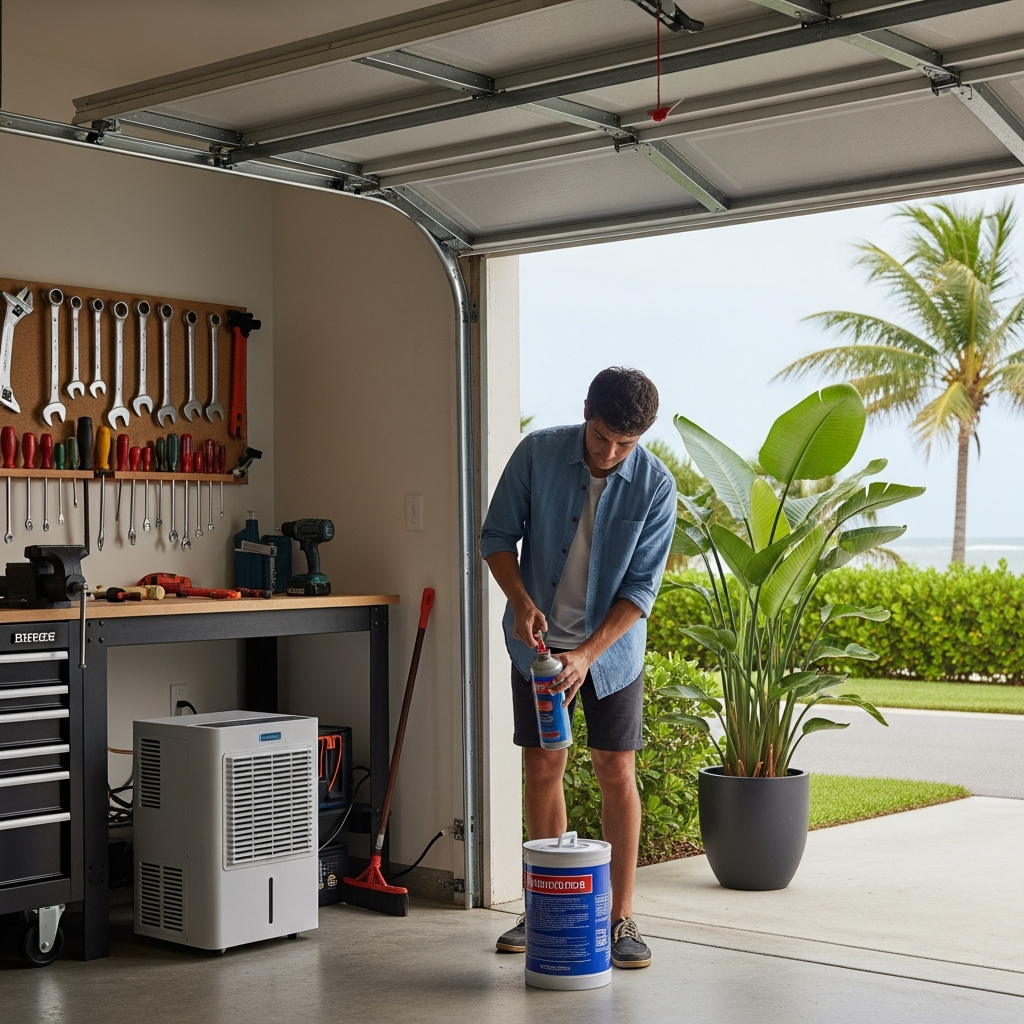
Lubricate moving parts such as rollers, hinges, and bearing plates with a silicon-based or lithium grease designed for garage door hardware. Avoid lubricating tracks themselves; applying grease to tracks can attract dirt and create abrasive buildup. If your opener has a chain drive, consult the manufacturer’s recommendations for lubrication intervals and compatible lubricants to prevent wear.
Safety Sensor and Opener Tests
Modern garage doors include safety sensors that detect obstructions and reverse the door to prevent injury or damage. Monthly, test the auto-reverse function by placing a small object — such as a block of wood — in the door’s path and closing the door. The door should reverse when it encounters the obstruction. If it does not, the sensors may need alignment or the opener’s sensitivity may require adjustment. Check that sensors are clean, free from obstructions, and aligned so their indicator lights are steady.
Test remote controls and keypads as well. Replace batteries in remotes and keypads on a regular schedule to avoid being locked out or stranded. If your opener uses rolling codes or smart home integration, periodically verify that wireless connections and backup keys are functional and that you have access to any associated apps or accounts used for remote operation.
Seasonal Considerations for Palm Beach
Because Palm Beach is a coastal environment, corrosion is a major concern. Inspect metal components for rust and consider upgrading to stainless steel hardware or corrosion-resistant finishes where practical. Rinse exterior surfaces with fresh water after storms or heavy salt spray to minimize salt accumulation, and apply protective coatings to vulnerable metal parts as recommended by a professional technician.
Before hurricane season or tropical storms, ensure the door is secure and weatherproof. Inspect seals, consider storm bracing if applicable to your door model, and make sure tracks and mounting hardware remain tightly anchored to the structure. A professional inspection before severe weather can identify weak points and recommend preventive measures to protect your home and garage contents.
Annual Professional Inspection
At least once a year, schedule a comprehensive inspection with a qualified technician. A pro will assess springs and cables for fatigue, check the door balance with specialized tools, measure opening speeds and opener force settings, and inspect the header and mounting points for structural concerns. Technicians can also identify subtle signs of wear such as fraying cables, loose spring cones, or worn bearings that are not obvious to a homeowner.
During an annual visit, your technician may also suggest upgrades such as insulated panels for climate control, stronger hardware for coastal durability, or modern openers with enhanced safety and smart features. Keeping a record of professional inspections and repairs helps you track when components were replaced and anticipate future maintenance needs.
Common Problems and Preventive Measures
Several recurring issues are easy to prevent with routine care. Excessive noise and vibration often result from worn rollers or loose hardware; regular lubrication and bolt tightening can resolve these issues. Sagging panels or uneven travel suggests track misalignment or weak rollers, both of which benefit from professional correction. Worn weatherstripping leads to drafts and water intrusion — replace seals as soon as cracking or compression is evident.
Spring fatigue is a frequent cause of emergency repairs. Avoid overworking your door by limiting heavy usage during extreme weather and by keeping the door balanced. A well-balanced door reduces strain on the opener and springs, prolonging their service life. A professional can replace fatigued springs in a controlled, safe manner, and may recommend upgrades for higher cycle ratings in homes with heavy or frequent usage.
Tools and Materials to Keep on Hand
While many garage door repairs require a professional, having a few basic items on hand can make short-term care easier. Keep a quality screwdriver set, adjustable wrench, a flashlight, and manufacturer-recommended lubricant available. Store replacement remote batteries and a spare key for your entry door. However, do not attempt spring adjustments or electrical repairs without training; those tasks require specialized tools and safety procedures to avoid serious injury.
FAQ
Q: How often should I lubricate my garage door components? A: For most climates, lubricating rollers, hinges, and bearings every six months is a good rule of thumb, and more frequently if you live in a coastal environment where salt exposure accelerates wear.
Q: When should I call a professional instead of attempting DIY maintenance? A: Call a pro for spring replacements, cable issues, opener electrical problems, and any time the door is imbalanced or presents a safety hazard. Professionals have the training and tools to perform these repairs safely.
Q: Is it worth upgrading to stainless steel hardware in Palm Beach? A: Yes, stainless steel hardware and corrosion-resistant finishes are often a worthwhile investment in coastal areas to prevent rust and extend component life.
Q: Can I improve my garage door’s lifespan with insulation? A: Insulation helps regulate temperature, reduces noise, and adds rigidity to panels, which can reduce wear. An inspection can determine whether insulation is compatible with your door design and opener capacity.
Final Steps and Next Actions
Following this maintenance checklist will reduce unexpected failures and enhance the lifespan and safety of your garage door. Maintaining a proactive schedule — monthly visual checks, quarterly mechanical reviews, and an annual professional inspection — helps you catch wear early and plan for necessary repairs. If you identify problems beyond basic cleaning, lubrication, or tightening, contact a qualified technician who can make safe, lasting repairs. Professional service can also help you select corrosion-resistant upgrades appropriate for Palm Beach conditions to protect your investment and improve long-term reliability. For expert assistance and repairs, reach out to specialists in garage door repair who understand local maintenance needs and offer comprehensive inspection services.
Keeping records of maintenance and repairs will help when scheduling follow-up visits or assessing warranty coverage. If you are preparing your home for seasonal weather or planning upgrades, consult with a local professional to prioritize improvements that will provide the most value and protection. With regular care and occasional professional attention, your garage door can provide safe, dependable service for many years.