
Introduction
A reliable garage door starts with consistent care. In Fort Lauderdale, maintenance is especially important because humidity, salt air, and storm seasons strain metal hardware, seals, and electronics. This checklist-style guide gives you a clear routine to follow month by month so you can prevent downtime, reduce noise, and extend the life of your system. If you ever discover issues beyond basic upkeep, book professional garage door repair to restore safe, dependable operation.
Print or save this plan, set reminders, and involve everyone who uses the door. A few minutes each month can spare you from inconvenient surprises later.
Monthly Maintenance Tasks
- Run a full open/close cycle. Listen for new squeaks, grinding, or rattling and watch for tilting or jerky motion.
- Clean photo eyes. Use a microfiber cloth to wipe dust and confirm sensors are aligned at equal heights.
- Clear tracks. Remove leaves, grit, and spider webs. Do not grease tracks; keep them clean.
- Check wall controls and remotes. Replace batteries as needed and test range and responsiveness.
- Inspect weatherstripping. Look for cracks, gaps, or brittleness that let in heat, moisture, and pests.
Quarterly Maintenance Tasks
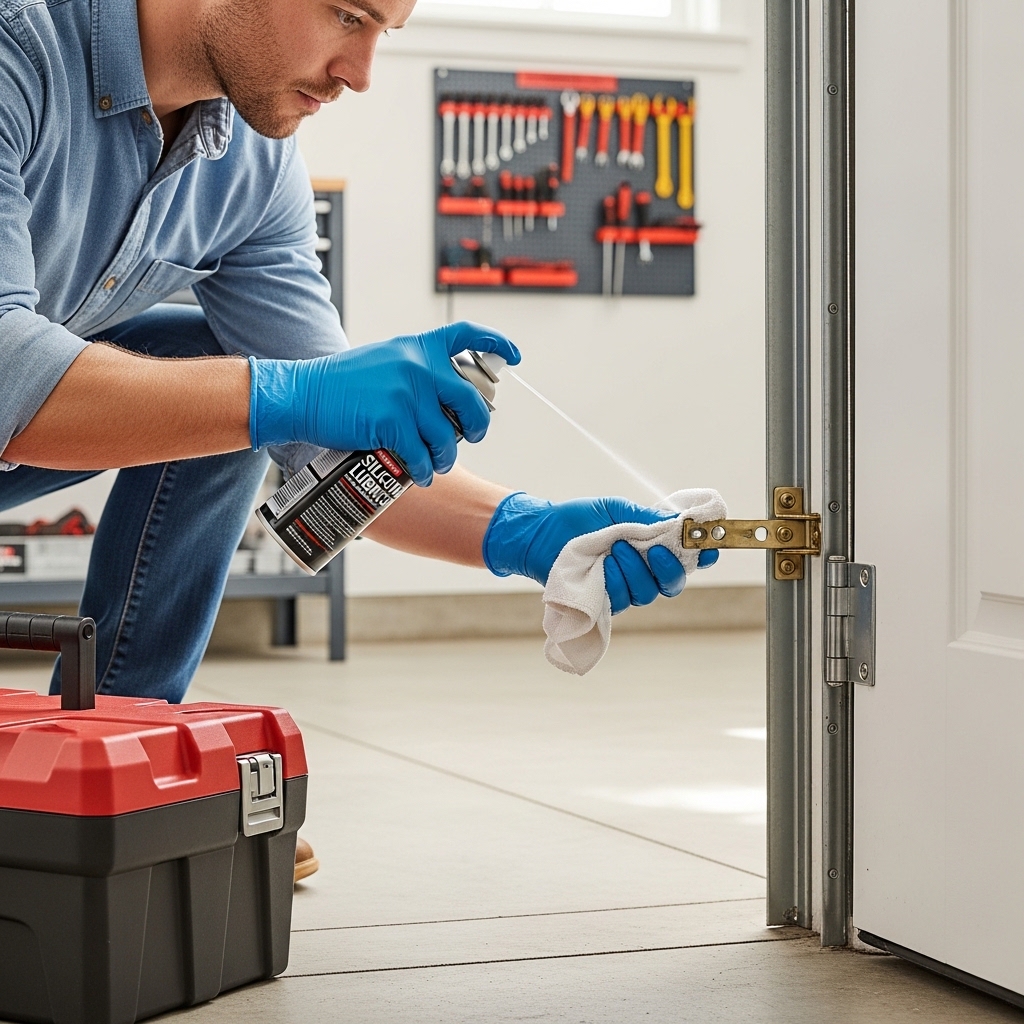
- Lubricate moving parts. Apply a light silicone-based lubricant to rollers, hinges, and springs.
- Tighten hardware. Check hinge screws, track bolts, and opener mounting brackets for looseness.
- Test door balance. Disconnect the opener and lift the door halfway. It should stay in place without drifting.
- Observe opener operation. Inspect belt or chain tension, limit settings, and safety reverse function.
- Rinse exposed metal. If you live near the coast, gently rinse salt residue from exterior hardware.
Biannual Maintenance Tasks
- Deep inspection of rollers and hinges. Replace rollers with wobble or flat spots and hinges with visible wear.
- Detailed cable check. Look for fraying, rust, or kinks. If anything looks compromised, call a professional.
- Panel assessment. Identify dents, cracks, or separation at seams and consider reinforcement where needed.
- Weather seal refresh. Replace worn bottom seals and side/top seals to maintain an effective barrier.
- Opener health check. Confirm surge protection, evaluate battery backup status, and inspect wiring for damage.
Pre-Storm Season Preparation
- Tighten structural fasteners at tracks, hinges, and header brackets.
- Verify manual release operation for use during power outages.
- Check reinforcement struts and consider upgrades for wind resistance.
- Review drainage near the garage to minimize water intrusion.
- Secure stored items that could strike the door during high winds.
Common Issues This Checklist Catches Early
- Sensor misalignment causing unexplained reversals.
- Loose hardware creating vibration and noise.
- Dry rollers and hinges that increase friction and strain.
- Worn seals raising energy use and inviting moisture and pests.
- Imbalanced doors that overwork the opener.
Fort Lauderdale-Specific Tips
- Salt air: Rinse exposed metal parts periodically and maintain a light lubrication layer to resist corrosion.
- Heat: Monitor opener belts and grease dry-out, especially during summer.
- Humidity: Keep the garage ventilated when possible to reduce condensation on metal parts.
- Storms: Inspect for track bends, panel dents, and loose fasteners after high winds before using the door.
Midyear Reality Check
By midyear, you should notice smoother, quieter operation and fewer surprises. If noise persists, the door drifts during the balance test, or you see frayed cables, stop and call in a professional. It is more efficient—and safer—to let a trained technician address high-tension or structural issues. When ready, schedule expert garage door repair so you can get back to dependable, quiet operation.
Upgrades That Pair Well with Maintenance
- Nylon rollers to reduce friction and noise.
- Belt-drive opener for quieter motion and fewer vibrations.
- High-cycle springs if the garage is a primary entrance.
- Reinforcement struts for better wind resistance.
- Fresh weatherstripping and threshold seals to improve comfort and cleanliness.
Frequently Asked Questions
Q: How often should I lubricate moving parts? A: Quarterly is a reliable cadence in Fort Lauderdale, with a touch-up before storm season.
Q: Why does my door reverse even after cleaning the sensors? A: Balance issues, track binding, or incorrect opener force limits can also trigger reversals.
Q: Do I need a professional for cable or spring issues? A: Yes. These components are under high tension and require specialized tools and training.
Q: What is the best way to prevent rust? A: Rinse exposed hardware periodically and maintain a protective lubrication film.
Q: Is a belt-drive opener worth it? A: For most attached garages, the noise reduction and smoother performance are noticeable.
Q: How do I prepare for outages? A: Learn the manual release, keep a backup battery if your opener supports one, and store flashlights in the garage.
Q: Should I grease the tracks? A: No. Keep tracks clean; lubricate rollers and hinges instead.
Q: What records should I keep? A: Note dates, tasks, and observations so future service is faster and more precise.
Q: How do I know if my door is imbalanced? A: During the balance test, a door that drifts up or down needs professional attention.
Q: How long should components last? A: Lifespan varies by usage, maintenance, and environment; your maintenance routine is the most reliable way to extend service life.
Keep Your Door Running Smoothly
Consistency is the secret to a quiet, safe, and reliable garage door in Fort Lauderdale. Follow this checklist, adapt it to your household’s usage, and pay special attention around storm season. When challenges exceed basic upkeep, partner with a local expert who understands our climate and building considerations. For professional help you can rely on, schedule high-quality garage door repair and enjoy smooth operation all year long.