
Introduction
Maintaining a functional, safe, and reliable garage door is a priority for homeowners across Palm Beach, Florida. Whether you live near the ocean where salt air can accelerate wear or inland where heavy rains and humidity can affect moving parts, a systematic approach to garage door care helps prevent emergencies and extends the life of the equipment. Early inspection and routine attention reduce the risk of sudden failures and ensure that your entry point remains secure. If you suspect a problem or need professional attention, consider contacting trusted garage door repair services to evaluate the condition and recommend appropriate repairs.
Why a Checklist Matters
A comprehensive checklist organizes maintenance tasks by frequency and priority, helping homeowners schedule inspections and minor repairs before they escalate into major issues. A checklist is not only a to-do list; it is a guide that helps you identify symptoms of wear and potential safety hazards. Regular checks minimize interruptions, help with insurance claims if a failure occurs, and support resale value by documenting upkeep. This checklist focuses on common issues specific to Palm Beach homes, including corrosion prevention, spring and cable integrity, opener performance, track alignment, and weatherseal condition.
Monthly Visual Inspection
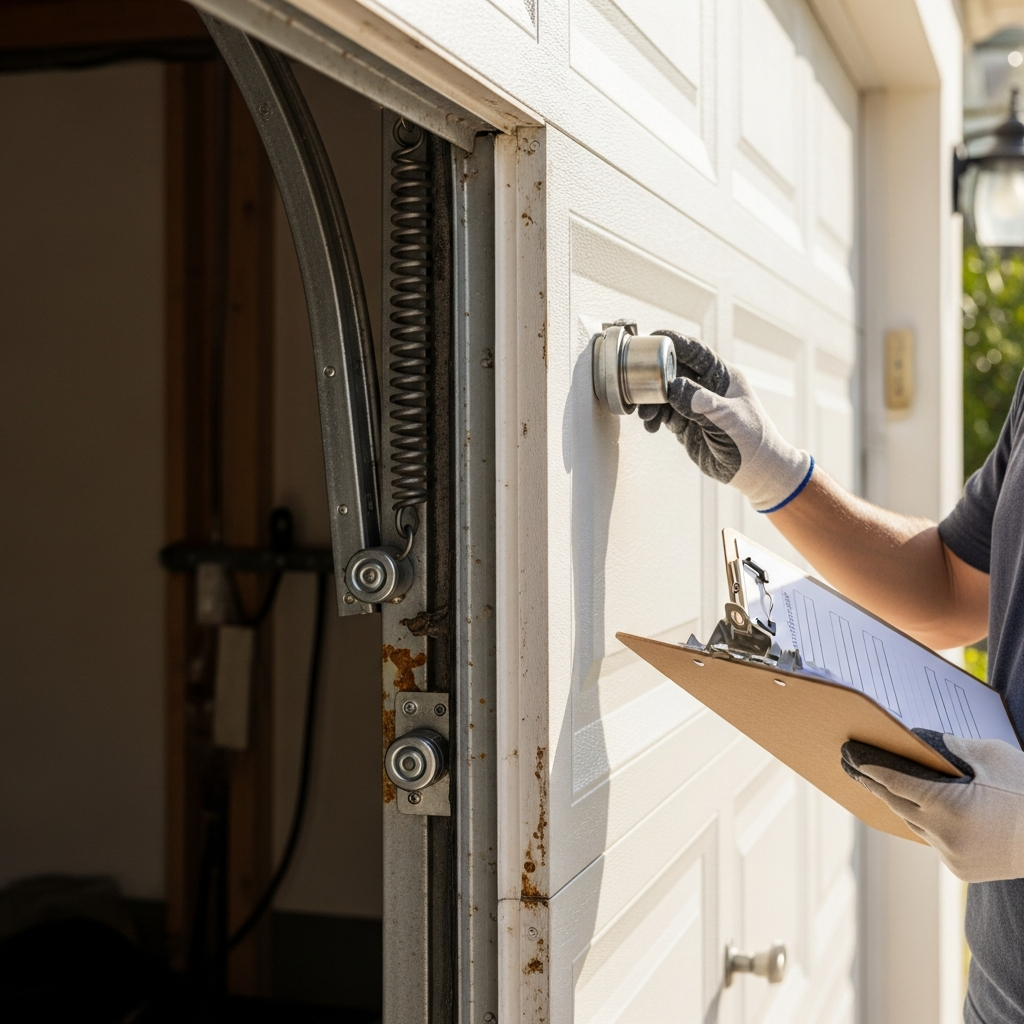
Start with a monthly visual walkthrough. Observe the door from both outside and inside the garage. Look for dents, rust, paint bubbling, and signs that panels may be misaligned. Check the bottom weatherstrip and side seals for cracks or gaps that let in moisture, pests, or wind-driven debris. Open and close the door slowly and listen closely for unusual sounds such as grinding, squealing, or abrupt clanking. Note any uneven movement or sections that lag behind. The electric opener should turn on and the lights should function without flicker. Document the date and any observations to identify trends over time.
Hardware and Fasteners
Loose bolts and fasteners can lead to misalignment and damage. Inspect hinges, bolts, and brackets to ensure they are tight and properly seated. Do not overtighten bolts on moving parts; they need freedom to pivot. Check the mounting brackets that connect the garage door opener to the ceiling and the door itself. Over time, vibration and normal operation can loosen these fasteners. Tightening them prevents rattles and decreases stress on springs and cables. Replace any missing or damaged hardware with weather-resistant materials to limit corrosion in the humid Palm Beach climate.
Rollers, Tracks, and Alignment
Inspect rollers for wear and dirt accumulation. Rollers travel along tracks and if they bind, the door can become harder to operate. Clean tracks gently with a dry cloth and avoid lubricants inside the track channel, which can attract debris. If tracks show signs of dents or bends, they should be corrected by a technician to avoid further wear on rollers and to prevent the door from derailing. Also, ensure side tracks are properly anchored to studs or framing. Misaligned tracks increase friction and stress on the opener and springs.
Springs and Cables
Garage door springs balance the weight of the door, making lifting manageable for both humans and the opener. In a typical residential setup, springs endure many cycles and eventually reach end of life. Look for gaps in torsion springs or fraying on extension spring cables. Never attempt to repair or replace springs or cables yourself; they are under extreme tension and can cause serious injury. If you detect a broken spring, immediately secure the area, refrain from using the door, and arrange professional service. Springs should be inspected for rust and excessive wear and replaced in matched pairs to maintain consistent operation.
Opener Health and Safety Features
Modern garage door openers include safety sensors, auto-reverse mechanisms, and rolling code remotes. Test the auto-reverse feature monthly by placing a padded object in the path of the closing door; it should reverse immediately on contact. Also test the photo-eye sensors by closing the door and then interrupting the sensor beam with an object; the door should stop and reverse. Ensure remote transmitters and wall controls work reliably and that battery-powered keypad units have fresh batteries. If the opener’s motor struggles or cycles frequently without completing a full open/close, investigate belts, chains, and gear assemblies for wear.
Weather Seals and Insulation
Palm Beach climate variations, such as tropical storms and high humidity, make weather seals crucial for keeping water and wind out. Inspect the bottom seal and side seals for deterioration and replace them if cracked or loose. Consider a threshold seal for additional protection against water intrusion. Insulation in the door panels helps regulate the garage temperature, protects stored items from heat and humidity, and reduces energy exchange with attached living spaces. If you notice warped panels or reduced insulating performance, evaluate whether repairs or panel replacement are needed.
Electrical Components and Wiring
Check visible wiring for fraying, loose connections, or contact with moving components. Ensure the opener’s power cord is routed away from the track and that the garage outlet is on a dedicated circuit. If you notice flickering lights or intermittent operation, have a qualified electrician inspect circuits and connections. Grounding is critical for safety, especially in areas prone to humidity and coastal corrosion. Look for signs of corrosion at terminal connections on the opener and replace compromised wiring following local electrical codes.
Noise Diagnosis and Remedies
Unusual noises often indicate specific issues: squeaking may indicate dry rollers or hinges, grinding could point to opener gears wearing out, and thumping might result from unbalanced panels. Lubricate rollers (if not sealed), hinges, and the torsion spring components using manufacturer-recommended lubricants—avoid over-lubrication which attracts debris. If the noise arises from the opener itself, the gear or motor may need inspection or replacement. Document the nature and timing of noises to help technicians diagnose intermittent problems that may not be apparent during an appointment.
Preventive Repairs and Replacement Parts
Replace worn rollers, broken hinges, and frayed cables promptly. Small parts are inexpensive relative to the damage that a failed component can cause. Stocking common parts such as weatherstrips and opener batteries can expedite minor fixes. For springs and major components, schedule professional service. Keep records of part replacements and dates so you can anticipate the lifecycle of components. In salt-air environments near Palm Beach beaches, choose corrosion-resistant parts like stainless steel rollers and galvanized springs when available to extend service life.
Preparing for Severe Weather and Storms
Florida homeowners should prepare their garage door for severe weather events. Inspect the door’s structural integrity ahead of hurricane season. Reinforce the door if you live in a high-velocity hurricane zone or consider installing hurricane-rated panels. Store sandbags, absorbent materials, and protective barriers nearby to help prevent water entry if a storm surge or heavy rain is forecasted. Keep the opener disconnected during power outages to avoid damage from surges when power is restored, and ensure you know the manual release procedure to secure vehicles and valuable items before a storm.
Safety Tips for Homeowners
Practice safe operation habits. Keep children away from moving doors and educate family members on manual operation and emergency release procedures. Never place hands or tools near moving parts. Use the opener’s lock function when away for extended periods and keep remote controls secure. If you notice that the door doesn’t stay in place when partially opened or it moves unexpectedly, stop using it until a technician can determine the cause. Regular maintenance reduces risks and keeps your garage door functioning smoothly for years.
When to Call a Professional
Call a professional when encountering broken springs, frayed cables, severe misalignment, or when the opener exhibits irregular operation that cannot be resolved with basic troubleshooting. Professionals can provide balanced replacement springs, precise track alignment, and safe cable repair. They also offer expertise in evaluating whether a door is worth repairing or replacing, taking into account age, materials, and exposure to coastal elements. If in doubt, an expert inspection is the safest course of action.
Checklist Summary
Use this condensed checklist to guide monthly and seasonal maintenance:
– Monthly visual inspection of panels, seals, and hardware.
– Tighten loose bolts and verify anchor points.
– Clean tracks and inspect rollers for wear.
– Check springs and cables for fraying or gaps; do not attempt DIY spring replacement.
– Test opener safety features and replace batteries as needed.
– Inspect weather seals and insulation, especially before storm season.
– Look for electrical issues and have a qualified electrician inspect if needed.
– Respond promptly to unusual noises and schedule professional evaluation when necessary.
Frequently Asked Questions
Q: How often should I schedule professional maintenance for my garage door?
A: For most residential doors, a professional inspection every 12 months is recommended. However, if your door is older, in a corrosive coastal environment, or used heavily, consider biannual inspections to catch wear early.
Q: Can I replace garage door springs myself?
A: No. Garage door springs are under high tension and can cause severe injury. Spring replacement should only be handled by trained professionals with proper tools and safety protocols.
Q: What should I do if my garage door won’t close and reverses immediately?
A: First, check the safety sensors at the base of the door for alignment and cleanliness. Clean the sensors with a soft cloth, and ensure there are no obstructions. If sensors are aligned and clean but the door still reverses, have a professional inspect the opener’s force settings and gear condition.
Q: How can I prevent rust on my garage door components?
A: Regularly clean and inspect moving parts, apply appropriate lubricants to metal components, and consider using corrosion-resistant parts such as stainless steel rollers and galvanized springs. Rinse salt buildup in coastal areas to limit corrosion.
Q: Is it necessary to insulate a garage door in Palm Beach?
A: Insulation is beneficial for temperature control, moisture resistance, and noise reduction. It is particularly useful if the garage is attached to living spaces or used as a workshop or storage for temperature-sensitive items.
Final Steps and Next Actions
Consistent maintenance informed by a reliable checklist will prolong the life of your garage door and prevent avoidable hazards. If you notice issues beyond simple tightening or cleaning, or if you prefer a comprehensive professional evaluation, reach out to experienced technicians. Timely professional attention ensures that complex components like springs, cables, and opener systems are handled safely and correctly. For residents looking to schedule service or a full inspection, seek out trained experts who understand the nuances of Palm Beach conditions and can recommend durable solutions.
If you are ready to arrange an inspection or repair with a trusted provider who offers local expertise and responsive service, consider contacting garage door repair services that specialize in the needs of Palm Beach homeowners.
Make a habit of reviewing this checklist at the start of each season and document maintenance activities to build a record that supports the long life of your garage door system and the safety of your household.
Don’t wait until a failure disrupts your daily routine—schedule professional assistance to address serious concerns and protect your home. To request prompt, qualified service that prioritizes safety and durability, visit the service page and arrange an inspection today: garage door repair services