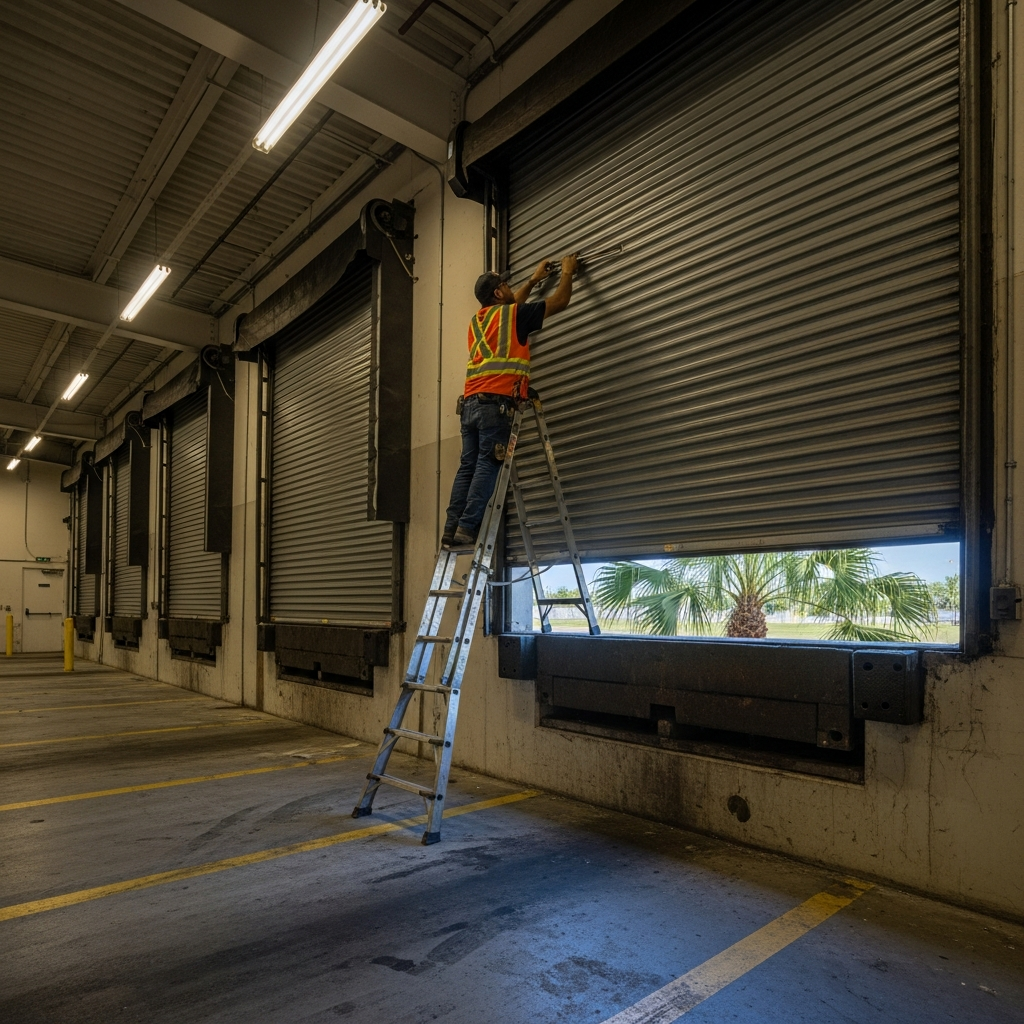
Commercial Garage Door Repair and Maintenance in Palm Beach Florida
Commercial garage doors in Palm Beach Florida require specialized attention. These doors are typically heavier, larger, and designed for frequent cycles compared to residential doors. Businesses depend on reliable door operation for safety, productivity, and security. Whether you operate a retail loading dock, an automotive service center, a warehouse, or a mixed-use commercial property, understanding the demands of commercial garage door systems and partnering with experienced professionals is essential. If you need professional support, start by identifying a trusted provider of garage door repair services that works with commercial applications and can provide maintenance contracts.
This guide describes the unique needs of commercial doors, common failure points, preventative maintenance schedules, and how to design a service plan that minimizes downtime and maximizes safety. It also covers regulatory considerations, emergency response expectations, and how to evaluate a service provider for commercial work.
Unique Characteristics of Commercial Garage Doors
Commercial doors are constructed with heavier-duty materials, larger springs, industrial-grade openers, and reinforced track systems to withstand high-frequency use and heavier loads. They may include sectional steel doors, roll-up sheet doors, high-speed fabric doors, and specialized dock levelers. These systems often incorporate safety interlocks, higher-duty-rated motors, and advanced access controls integrated with building management systems.
Given their complexity, commercial systems require technicians who are trained to work with industrial hardware, understand operational requirements, and can respond quickly to avoid business disruption.
Common Problems for Commercial Doors
- Spring and cable failure: Heavy-duty springs and cables endure more cycles and may need frequent replacement depending on usage patterns.
- Motor and control board issues: Industrial-grade openers are robust, but they may face electrical issues, overloads, or control board failures.
- Track and roller wear: Misaligned tracks or worn rollers lead to increased friction, noise, and the risk of operational failure.
- Panel damage and seal failure: Frequent impacts from vehicles or loading equipment can dent panels and compromise seals, affecting insulation and security.
- Access control and safety sensor malfunctions: Integration with security systems can complicate troubleshooting and requires technicians who can diagnose both mechanical and electrical issues.
Designing a Preventative Maintenance Program
Regular maintenance is crucial to keeping commercial doors operational and safe. A preventive plan should include monthly or quarterly inspections depending on usage, with more frequent checks for heavy-duty applications. Key elements include:
- Visual inspection of panels, tracks, rollers, springs, cables, and fasteners.
- Lubrication of moving parts using industrial-grade lubricants specified for high-cycle doors.
- Electrical system checks, including control boards, limit switches, and motor health.
- Testing safety devices such as photoeyes, sensors, and auto-reverse systems.
- Load testing for springs and counterbalance systems, ensuring correct tension and balance.
Preventative maintenance reduces unexpected downtime and extends component life. Maintenance contracts with scheduled visits provide predictable budgeting and priority response in emergencies.
Emergency Response and Downtime Minimization
When a commercial door fails, rapid response is critical to restore operations. Look for service providers that offer emergency callbacks, have technicians available for off-hour repairs, and maintain an inventory of common replacement parts. A quality commercial repair provider will perform triage to secure the site, provide temporary solutions to allow operations to continue safely, and return promptly with permanent repairs and parts.
Regulatory and Safety Compliance
Commercial installations must comply with local building codes and safety regulations, which may include fire-rated doors, wind-load requirements, and ADA considerations for certain access points. Businesses should retain documentation for inspections, repairs, and maintenance to demonstrate compliance and due diligence. A reputable contractor will be familiar with Palm Beach codes, can advise on permitting requirements, and provide documentation after each service visit.
Evaluating a Commercial Garage Door Contractor
When selecting a contractor for commercial work, consider these factors:
- Experience with commercial systems: Verify that the company has a track record of working on similar doors and has references from businesses in your area.
- 24/7 availability: Confirm emergency service options and response times. Ask about after-hours rates and guaranteed response windows if uptime is critical for your business.
- Inventory and parts access: A contractor that stocks heavy-duty components reduces repair time. Inquire about typical lead times for specialized parts.
- Documentation and reporting: Look for providers that supply detailed service reports, test records, and recommendations for corrective actions.
- Safety training and insurance: Ensure technicians have commercial safety training, and request proof of insurance and bonding appropriate for commercial projects.
Integrating Doors with Building Systems
Commercial doors are often integrated with access control, alarm systems, and logistics software. Coordinating repairs or upgrades with your building systems ensures continued interoperability. Choose a contractor experienced with control system interfaces and who will test integration points after completing work.
Lifecycle Management for Commercial Doors
Managing a door’s lifecycle involves tracking cycles, scheduling preventive replacements of high-stress components, and planning for eventual replacement of entire door sections. A data-driven approach, where maintenance records and failure rates guide replacements, reduces unplanned downtime. Consider investing in stronger materials or higher-duty springs for doors that see heavy traffic to extend intervals between major overhauls.
Case Studies and Practical Examples
Many successful commercial programs begin with a complete audit to identify immediate risks and upgrade opportunities. For example, a restaurant with a delivery dock that experienced frequent spring failures might benefit from heavier duty springs, improved seals, and a scheduled maintenance plan that includes quarterly inspections. A warehouse that integrates doors with inventory flow systems may require redundant openers or backup power solutions to ensure continuous operation during outages.
Frequently Asked Questions
Q: How often should commercial doors be inspected?
A: Inspection frequency depends on the duty cycle but monthly or quarterly inspections are common for many commercial operations. High-traffic doors may require monthly or even weekly checks.
Q: What is the typical response time for commercial repairs?
A: Response times vary. Choose a provider that guarantees a response time that meets your operational needs and offers priority emergency service if necessary.
Q: Can I continue operations if a commercial door is damaged?
A: In some cases, temporary measures can allow limited operations while permanent repairs are scheduled. A professional will secure the area and recommend safe interim solutions to minimize business disruption.
Q: Are there special maintenance considerations for coastal commercial properties?
A: Yes. Use corrosion-resistant components, frequently inspect for salt-related wear, and plan for protective coatings or stainless-steel hardware to reduce corrosion in Palm Beach environments.
Final Recommendations and Action Steps
Commercial door reliability is central to business operations in Palm Beach. Implement a maintenance plan tailored to your duty cycle, secure a service contract with a reputable contractor, and ensure emergency response availability. Maintain detailed service records and schedule periodic audits to identify opportunities for upgrades that reduce downtime and improve safety.
For professional support, emergency repairs, or to establish a maintenance program for your commercial property, contact a commercial specialist who understands heavy-duty systems and local conditions. Skilled providers can perform audits, propose preventive measures, and deliver timely repairs to keep your operations running smoothly. When you need expert assistance, reach out to trusted technicians offering commercial-grade garage door repair solutions and maintenance plans tailored to Palm Beach businesses.
Schedule a consultation to evaluate your doors, receive a customized maintenance plan, and secure priority emergency service to protect your facility and continuity of operations. A proactive approach reduces risks, lowers long-term repair frequency, and helps maintain a safe work environment for employees and visitors.