
Introduction
New to caring for your garage door in Fort Lauderdale? You are not alone. Between daily use and coastal weather, even a well-built system needs attention to stay safe and quiet. This beginner-friendly guide explains how the door works, which tasks you can do yourself, and when to call a pro. If at any point you prefer expert help, book reliable garage door repair so your system gets the care it needs without guesswork.
We will keep it simple: understand the parts, follow basic safety rules, and build a maintenance routine that suits our humid, salty, and storm-prone environment.
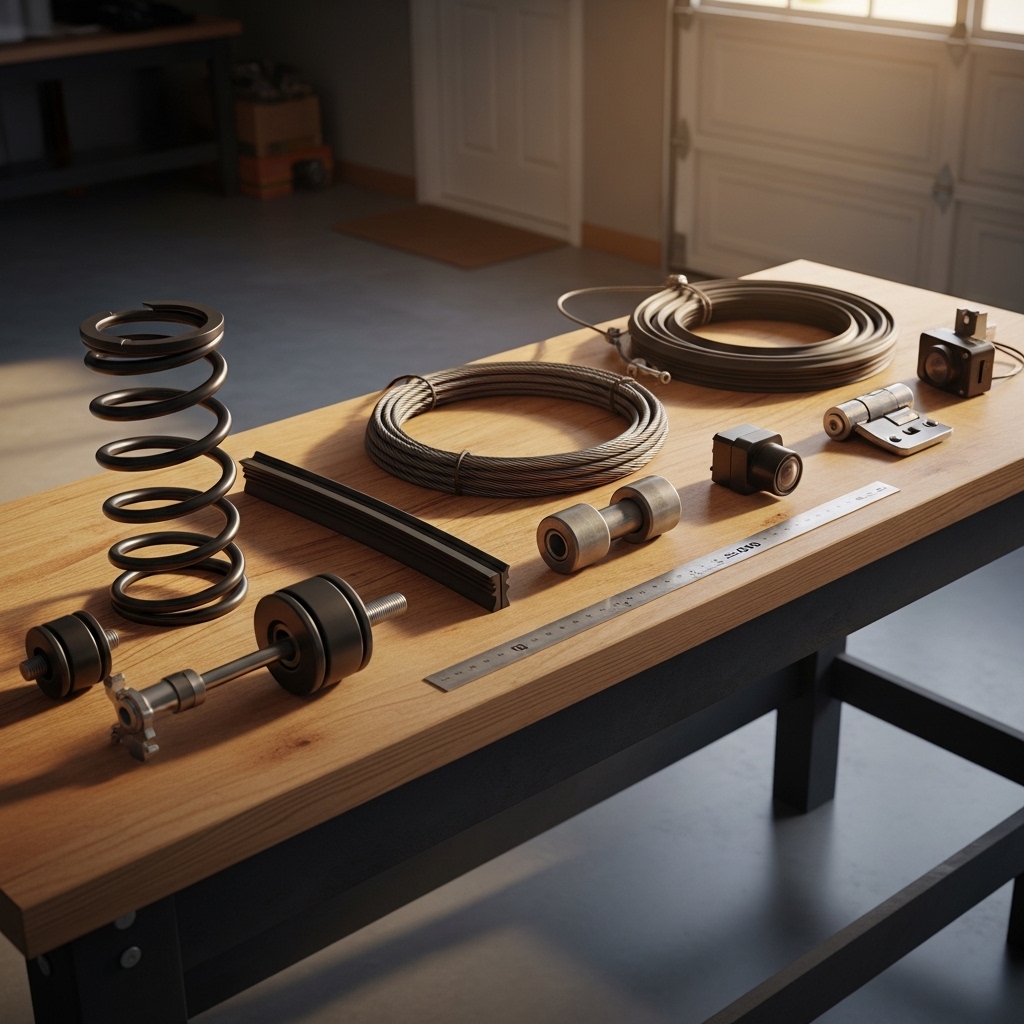
Meet the Main Parts of Your Garage Door
- Panels: The sections that make up the door. They can be insulated or uninsulated and come in various materials.
- Hinges: Connect panels and allow the door to bend along the track as it moves.
- Rollers and tracks: Rollers glide within metal tracks to guide the door up and down.
- Springs: Torsion or extension springs counterbalance the door’s weight so the opener does not do all the lifting.
- Cables: Work with springs to raise and lower the door safely.
- Opener: The motor unit mounted to the ceiling that controls the door via chain, belt, screw, or direct drive.
- Photo eyes: Safety sensors that prevent the door from closing on people, pets, or objects.
- Weatherstripping: Seals the edges to keep out moisture, heat, and pests.
Basic Safety You Should Always Follow
- Don’t adjust springs or cables yourself. These parts are under high tension.
- Keep your hands and clothing away from moving parts during operation.
- Unplug the opener before working near the drive system or logic board.
- Use a steady ladder and good lighting for inspections.
- Teach kids to stay clear of the door and never play with the controls.
Your First Inspection Checklist
- Watch and listen. Run the door and note any jerky motion, grinding, or squealing.
- Look at the springs and cables. If you see gaps, frays, or rust, call a professional.
- Check rollers and hinges. Wobbling rollers or loose hinge screws cause noise and wear.
- Clean and align the photo eyes. Make sure they are pointed at each other at the same height.
- Test the manual release and balance. The door should stay halfway open when disconnected from the opener.
- Inspect weatherstripping. Replace it if you find cracks, gaps, or brittleness.
Simple Maintenance for Beginners
A little maintenance goes a long way. Wipe dirt from tracks, but don’t grease the track surface. Lubricate rollers, hinges, and springs lightly with a silicone-based product. Tighten accessible fasteners. If your opener is chain-driven, check that the chain is not sagging; if it is belt-driven, look for wear or fraying. Keep the area around the photo eyes clean and unobstructed.
Dealing with Fort Lauderdale Weather
Our climate adds extra stress. Salt air can rust metal hardware, heat can dry out lubricants, and storms can push doors and tracks to their limits. Rinse exposed metal periodically, maintain lubrication, and plan a pre-storm check of fasteners, tracks, and panels. If your opener supports a battery backup, make sure it is charged before storm season.
Common Problems and What They Mean
- Loud bang and a heavy door: Likely a broken spring. Stop using the door and call a pro.
- Door goes down and reverses: Dirty or misaligned sensors are common culprits. Clean and realign them.
- Squeaks and rattles: Often from dry rollers or loose hardware. Lubricate and tighten as needed.
- Door tilts or binds: Could be track misalignment, roller wear, or cable imbalance.
- Opener hums but doesn’t move: Check the emergency release and make sure the door isn’t locked or jammed.
What Beginners Should Leave to the Pros
Spring replacement, cable swaps, significant track adjustments, and structural panel repairs require special tools and training. Attempting these jobs can lead to injury or property damage. When in doubt, step back and call a trained technician.
Halfway Check: Are You Making Progress?
If you have cleaned sensors, lubricated moving parts, tightened fasteners, and tested balance, run the door again. Is it smoother and quieter? If not, there may be deeper issues like fatigued springs, worn opener gears, or track alignment problems. At this point, it makes sense to schedule professional garage door repair to restore safe, reliable operation.
Smart Upgrades for New Homeowners
- Nylon rollers: Reduce noise and friction compared to metal rollers.
- Belt-drive opener: Quieter than chain drives, ideal for attached garages.
- Reinforcement struts: Help panels stay rigid in wind.
- High-cycle springs: Useful if your door is your main entrance.
- Improved weather seals: Keep out moisture and hot air, protecting belongings and comfort.
Keeping Records from Day One
Start a simple maintenance log with dates, tasks performed, and observations. Note the brand and model of your opener, the type of springs, and any upgrades you add. Clear records make future service faster and more accurate, especially before and after storm season.
Frequently Asked Questions
Q: How often should I lubricate the door? A: Quarterly is a good baseline in our climate, with extra attention before storm season.
Q: Do I need to replace both springs at once? A: Many technicians recommend replacing them as a pair to maintain balance and consistent performance.
Q: Why does my door reverse without anything in the way? A: Dirty or misaligned sensors are the most common causes, but balance issues can also trigger reversals.
Q: How do I know if my door is balanced? A: With the opener disconnected, the door should stay at mid-height without drifting up or down.
Q: Are nylon rollers worth upgrading? A: Yes, especially if you value quiet operation in an attached garage.
Q: What should I do after a storm? A: Inspect for bent tracks, loose fasteners, panel dents, and sensor misalignment before operating the door again.
Q: Can I grease the tracks to reduce noise? A: No. Keep tracks clean; lubricate rollers and hinges instead.
Q: Is a battery backup necessary? A: It is helpful if you rely on your garage as a primary entrance or live in an area with frequent outages.
Q: How can I prevent rust? A: Rinse exposed hardware occasionally and maintain a light lubrication film.
Q: When should I call a pro? A: Any time springs, cables, or significant alignment issues are involved—or if your troubleshooting does not resolve the problem.
Move Forward with Confidence
With a few essential habits—observe, clean, lubricate, and document—you can keep your Fort Lauderdale garage door running smoothly. Respect your limits, and bring in a professional for high-tension or structural repairs. When you are ready for dependable help and long-lasting results, book expert garage door repair and enjoy a safer, quieter door from day one.