Introduction: Elevate Your Home’s Everyday Experience
Residential garage door installation is one of the most visible upgrades you can make, instantly transforming curb appeal and daily convenience. In Palm Beach County, where sunshine, humidity, and seasonal storms shape design decisions, selecting the right door and a capable installer are equally important. Before you finalize styles and features, consider consulting a local professional for garage door installation so your choices align with the region’s performance expectations and aesthetic preferences.
From coastal cottages to contemporary homes, the best residential doors strike the balance between beauty and resilience. This guide explores materials, insulation, openers, and neighborhood considerations that make a lasting difference.
Design That Matches Your Architecture
Your garage door should complement your home, not compete with it. Raised-panel steel suits traditional designs, while carriage-house styles add charm with subtle textures and decorative hardware. Modern properties benefit from clean lines, wide windows, or aluminum-and-glass systems that deliver a sleek façade. Color selection matters as well—lighter tones reflect heat and stay truer under strong sun exposure.
Window placement influences both appearance and interior light. Upper-row lites enhance privacy while brightening the garage. Frosted or tinted options balance visibility with style. A local installer can recommend configurations that respect HOA guidelines and maximize curb appeal.
Materials and Finishes for Coastal Durability
South Florida’s environment rewards durable materials. Galvanized steel with protective coatings resists corrosion and dents. Composite and fiberglass overlays offer the warmth of wood with minimal upkeep, avoiding the frequent refinishing traditional wood requires. Aluminum-and-glass constructions deliver a contemporary look and can be specified with frames designed to handle local wind conditions.
Finish warranties and maintenance routines are worth discussing. Rinsing salt residue, avoiding harsh cleaners, and occasional lubrication of moving parts sustain long-term appearance and performance.
Insulation, Comfort, and Noise Control
Insulated doors improve comfort for adjacent rooms and make the garage more usable for hobbies, fitness, or storage. They also quiet the operation, a benefit for early-morning departures or late-night returns. Pair insulation with high-quality nylon rollers and a belt-drive or wall-mount opener to achieve a whisper-quiet system that complements residential life.
Weatherstripping at the perimeter and a robust bottom seal block drafts, dust, and pests. These details protect stored items and help control humidity, which is particularly valuable in our climate.
Wind Resistance and Safety Considerations
Wind-load compliance is a must. Reinforced doors, upgraded track, and proper fastening patterns help your system stand up to pressure differentials during storms. Where applicable, impact considerations may guide glazing choices or lead to non-glazed designs. The opener must include photoelectric sensors and properly adjusted auto-reverse to maintain safety for your household.
Battery backup is a thoughtful addition, ensuring access during power interruptions. Regular testing of safety features keeps your system reliable year-round.
Smart Features for Modern Living
App-based controls, activity logs, and guest access codes raise everyday convenience. You can check door status from anywhere, grant temporary entry to visitors, and receive alerts for unusual activity. For families with deliveries, smart access simplifies logistics while preserving security.
Integration with home assistants and security platforms provides centralized control. Your installer can help configure these features and demonstrate best practices for secure operation.
The Residential Installation Process
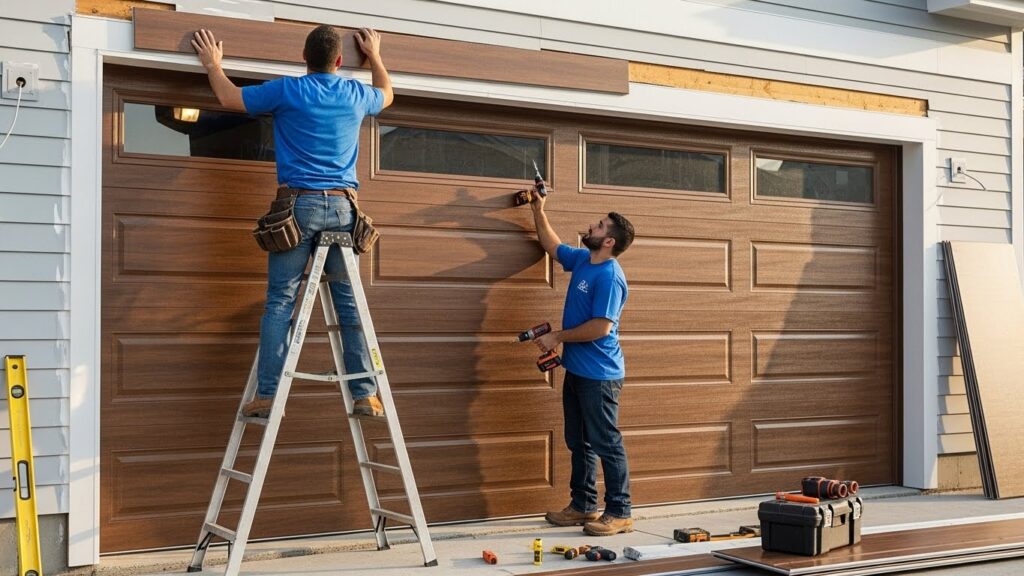
A smooth project begins with a thorough consultation: measurements, framing inspection, and discussion of style and hardware. Your installer reviews wind requirements, prepares permit documents, and confirms timelines. On installation day, the crew removes the old door if needed, sets new track and spring assemblies, installs sections, and mounts the opener.
After alignment and testing, the team fine-tunes balance, sensor placement, travel limits, and force settings. You will receive guidance on maintenance, safety checks, and smart features. This orientation is a great time to ask questions about keypad programming and battery backup.
Neighborhood and HOA Alignment
Communities across Palm Beach County often maintain architectural standards. Submitting samples and product details in advance streamlines HOA approvals. An experienced local installer provides the materials you need and suggests designs that echo your home’s character while aligning with neighborhood expectations.
Thoughtful planning also reduces installation-day disruptions. Clear communication about schedules, parking, and cleanup helps keep neighbors happy and the job on time.
Maintenance Essentials
- Inspect rollers, hinges, and weatherstripping twice a year.
- Clean the door surface with mild soap and water; rinse salt residue.
- Lubricate moving parts sparingly with recommended products.
- Test safety sensors and auto-reverse monthly.
- Schedule annual tune-ups to maintain balance and quiet operation.
Avoiding Common Residential Mistakes
- Choosing style before confirming wind-load requirements.
- Skipping insulated options despite adjacent living spaces.
- Overlooking the benefits of battery backup and smart alerts.
- DIY spring work instead of professional service.
- Not verifying HOA guidelines before ordering.
Frequently Asked Questions
Q: How long does residential installation take? A: Standard installations typically finish in a day once permits and materials are ready. Custom designs or glass systems may take longer, but clear communication keeps you informed.
Q: Can I keep my existing opener? A: If it is compatible and safe, possibly. Many homeowners upgrade for quieter operation, smart features, and improved reliability.
Q: Will an insulated door help in South Florida? A: Yes. Insulation supports comfort, reduces noise, and helps protect items stored in the garage from temperature swings.
Q: What about windows—will they affect strength? A: Manufacturers offer wind-rated window options and reinforced frames. Your installer will recommend designs that meet local requirements and your privacy needs.
Q: How do permits work? A: Your installer typically prepares product approvals and permit applications, then coordinates inspections. Keeping documentation on file supports future real estate transactions.
Q: What should I do to prepare for installation day? A: Clear a perimeter around the door, move vehicles, and provide access to power and Wi‑Fi if smart features are included. The crew will handle removal and cleanup.
Q: How often should the door be serviced? A: An annual tune-up is a smart baseline, with quick checks after storm season. Routine service preserves smooth travel and quiet operation.
Q: Can low headroom be accommodated? A: Yes. Specialized track and spring configurations adapt to tight spaces. A site visit will determine the best approach for your garage.
Bring Your Vision Home
A great residential garage door elevates everyday life—quiet mornings, smooth departures, and secure arrivals. When materials, wind compliance, and smart features come together under experienced hands, you get beauty and performance without compromise.
If you are ready to explore tailored designs, scheduling, and maintenance plans, connect with a local team that focuses on quality garage door installation. With the right partner, your home will look better, function smarter, and stand up to South Florida’s demands.