
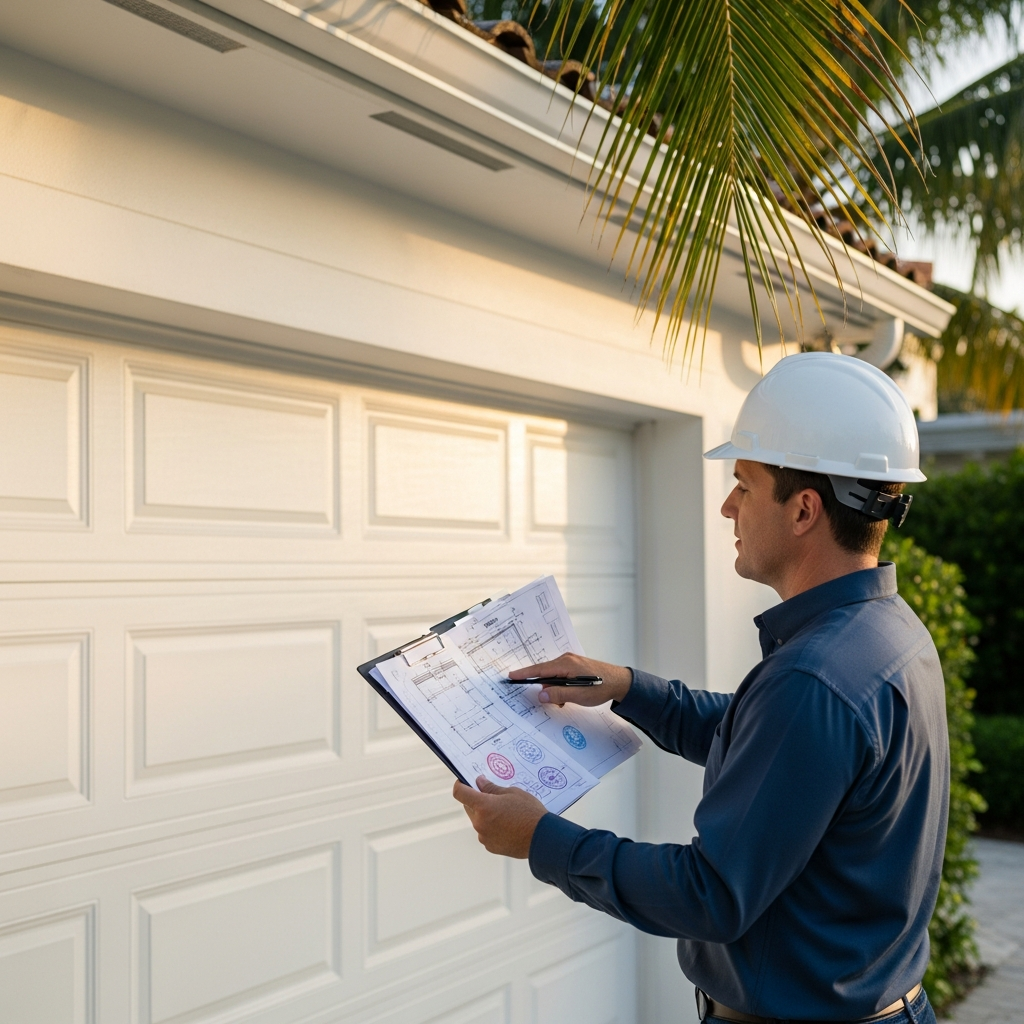
Permits and Codes for Garage Door Installation in Palm Beach Florida
Navigating permits and building codes is a critical part of garage door installation in Palm Beach Florida. Compliance ensures safety, protects property value, and prevents costly rework. Local jurisdictions have specific requirements that reflect climate-related concerns like wind loads and storm resilience, and many neighborhoods have HOA guidelines influencing appearance. If you are arranging an installation, it is helpful to partner with installers who understand local codes and can guide you through permit requirements. For professional assistance, consider contacting specialists who provide garage door installation services and can help manage permitting and inspections for you.
Why Permitting and Codes Matter
Permits and codes protect both homeowners and the broader community by ensuring installations meet structural and safety standards. For garage doors, building codes often address wind resistance, attachment methods, and electrical requirements for openers and safety sensors. Especially in coastal areas like Palm Beach, codes are critical for safeguarding homes against high winds and water intrusion during storms. Installing a door that does not comply with local codes can result in failed inspections, fines, or the need for costly corrective work.
Typical Permit Requirements
Permit requirements vary by municipality. Common scenarios that require permits include new openings, structural changes, and installations that alter the building envelope or affect wind-resistance. Some counties and cities may not require permits for direct like-for-like panel replacements, but many do require documentation for new assemblies or upgrades to wind-rated systems. An installer experienced in local jurisdictions will know when a permit is necessary and can often submit permit applications on your behalf to streamline the process.
Wind-Load and Hurricane-Resistance Standards
Palm Beach County lies in a region where wind-load considerations are integral to building codes. Doors must often meet specific wind-resistance ratings, which involve reinforcement of panels, tracks, and attachment hardware to resist uplift and lateral loads. Wind-rated garage doors typically include heavier gauge materials, additional bracing, and reinforced anchoring points. Verify that your chosen product carries the appropriate wind rating and that the installation includes properly engineered attachments to the structure.
Electrical and Safety Regulations
Installations involving powered openers must comply with electrical codes. This includes proper wiring, grounding, and potentially dedicated circuits for the opener, depending on local requirements. Safety regulations mandate photoelectric sensors that prevent door closure if an object, person, or vehicle is in the path, as well as manual release mechanisms that function in case of power loss. Commercial or specialized doors may have additional safety and signage requirements. Ensure your installer sets up and tests all safety features in accordance with code requirements.
HOA Rules and Aesthetic Guidelines
Many Palm Beach neighborhoods are governed by homeowner associations that specify design guidelines—covering door styles, color palettes, and hardware finishes. Some associations require design review or approval prior to installation. Check your HOA’s governing documents and submit designs for approval where required. Installers familiar with neighborhood standards can assist in selecting doors that meet HOA guidelines and may offer documentation templates for approval submission.
Inspection Processes and Documentation
After installation, inspections may be required to confirm compliance with approved plans and code specifications. Inspectors check items such as anchoring, framing reinforcement, wind-rated assembly installation, and safety device operation. Keep copies of product data sheets, installation manuals, and any engineering or wind-load calculations that support the installation. Your installer should provide documentation and coordinate inspections if permits are involved.
Common Code-Related Issues and How to Avoid Them
Common issues include insufficient anchoring, inadequate framing reinforcement, incorrect spring or cable sizing, and improperly installed safety sensors. To avoid these problems, work with installers who follow manufacturer installation guidelines and local code requirements. Ensure materials specified are rated for the expected wind loads and that all fasteners and hardware are suitable for coastal exposure. Request written confirmation that the installation will meet local code and inspection standards.
Working with Engineers for Complex Projects
For projects that involve creating a new opening, modifying load-bearing headers, or upgrading to high wind-resistance, an engineered plan may be necessary. Structural engineers provide calculations and drawings that specify reinforcement methods, anchoring details, and load paths to comply with code. If your project requires engineering documentation, coordinate early—engineered plans add accuracy and are often necessary for permitting and inspection approval.
FAQ
Q: Do I always need a permit to replace a garage door in Palm Beach County?
A: Not always. Requirements depend on the jurisdiction and the scope of work. Like-for-like panel replacements might not require permits in some areas, but structural changes, new openings, or wind-rated upgrades typically do. Check local rules or consult a qualified installer for guidance.
Q: What is a wind-rated door, and why might I need one?
A: Wind-rated doors are designed and reinforced to resist uplift and lateral pressures from high winds and are often required in coastal regions subject to storms. They have specific ratings that match local building code requirements and help protect your home during severe weather.
Q: Can my installer pull permits for me?
A: Many professional installers assist with permit applications or pull permits on behalf of homeowners. Confirm this service when obtaining estimates so you know who will manage permitting and inspections.
Q: What documentation should I keep after installation?
A: Retain product data sheets, installation manuals, any engineering drawings or calculations, warranties, and inspection sign-offs. These documents are useful for future maintenance, resale, or additional modifications.
Choosing a Permitting-Savvy Installer
Select an installer who understands local jurisdictions, has experience with wind-rated assemblies, and communicates clearly about permitting responsibilities. Ask prospective installers about recent projects in Palm Beach, their approach to permitting and inspections, and whether they handle HOA submissions when needed. A reliable installer will provide a clear timeline for permitting, order of operations, and inspection scheduling to minimize homeowner stress.
Final Guidance and Next Steps
Permitting and code compliance are essential to a successful garage door installation in Palm Beach Florida. Begin by clarifying whether permits or HOA approvals are needed, and work with an installer who can navigate the local requirements. For professional assistance and a streamlined experience, consider contacting installers who specialize in garage door installation services to manage permitting, installation, and inspection coordination. Their knowledge helps ensure your installation meets safety standards and local codes, protecting your home and peace of mind.
When planning your installation, gather HOA documents and municipal building requirements, schedule a site visit for precise measurements, and confirm who will handle permitting. With the right planning and a permitting-savvy installer, you’ll complete a compliant installation that enhances your home’s protection and value while meeting local standards.