
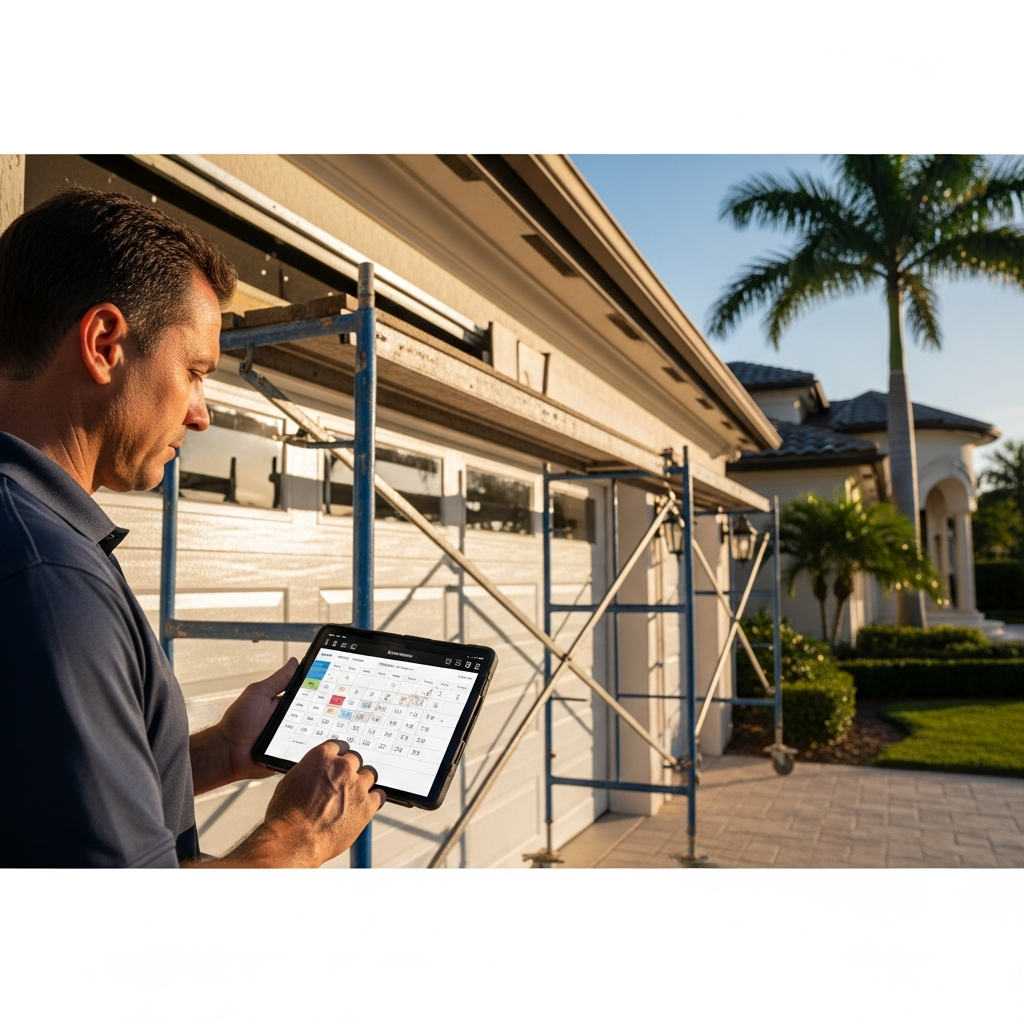
Garage Door Installation Timeline and Considerations in Palm Beach Florida
Understanding the timeline for a garage door installation helps homeowners plan around daily routines and coordinate with installers, suppliers, and any required permitting offices. While specific schedules vary by project complexity, this guide outlines typical steps and realistic time frames for installations in Palm Beach Florida. It also covers important considerations related to materials, local codes, and site preparation. For a smooth process, many homeowners partner with installers who specialize in garage door installation services to manage timelines, materials, and any documentation required by local jurisdictions.
Typical Project Phases
Projects generally follow several phases: evaluation and measurement, selection and ordering of materials, permitting where necessary, site preparation, installation, and final testing. The timeline will depend on whether you are replacing an existing door with an off-the-shelf unit, ordering a custom door, or requiring structural modifications. Lead times for custom doors or specialized finishes can extend the project schedule, while standard replacements often complete quickly once parts are available.
Pre-Installation: Assessment and Ordering
An initial assessment and detailed measurements typically take one visit and can be completed within a day. The installer will confirm measurements, discuss material and design choices, and identify any framing or power requirements for an opener. If you choose a stock model, the parts may be available from local inventory. For custom designs, ordering and manufacturing can add several weeks to the timeline, so plan accordingly.
Permits and Local Approvals
Permit timelines vary across Palm Beach municipalities. Simple like-for-like replacements may not always require permits, while structural changes, new openings, or wind-resistance upgrades often do. If permits are needed, factor in the time for submission and approval. Experienced installers often assist with or manage permitting, which streamlines the process. Check with your installer early to gauge whether permitting will affect scheduling.
Scheduling the Installation
Once materials are on-site and permits are in order, scheduling the install typically depends on the installer’s availability and project complexity. A straightforward replacement can usually be completed in one workday. Installations requiring reinforcement of framing, custom fitting, or additional carpentry might extend into multiple days. Coordinate with your installer about arrival times and expected duration so you can prepare accordingly.
Day-of-Installation Workflow
1. Arrival and final checks: the crew confirms measurements and reviews the plan for the day.
2. Safe removal of the old door, with careful handling of springs and cables to avoid hazards.
3. Frame preparations and any required reinforcement to ensure the opening supports the new door securely.
4. Mounting of tracks, hardware, panels, and springs with precision to achieve proper alignment and balance.
5. Installation and programming of the opener and sensors, followed by thorough testing of all safety systems.
6. Final cleanup and a homeowner walkthrough to demonstrate operation and provide maintenance guidance.
Common Causes of Delay
Delays can arise for several reasons: backorders or long lead times on custom doors or specific finishes, unexpected structural issues like rotted framing, weather disruptions, or permitting holdups. Homeowners can mitigate delays by selecting readily available options if timing is critical, scheduling early to account for permitting, and ensuring the site is prepared with clear access and electrical readiness.
Coastal-Related Considerations That Affect Timeline
Coastal properties may require corrosion-resistant parts or additional protective finishes, potentially adding time if specialty components must be ordered. If a project includes wind-load requirements or hurricane-rated doors, sourcing compliant assemblies may affect lead times. Discuss coastal-specific needs early with your installer so they can plan for any non-standard components.
Inspection and Final Approval
If permits are required, inspections might be scheduled after installation, which could add a short waiting period before final sign-off. Installers familiar with Palm Beach jurisdictions often coordinate inspection timing to minimize delays. Ensure you receive documentation from the installer confirming that the installation meets manufacturer specifications and local code requirements.
Maintenance Planning Post-Installation
Plan for routine maintenance to preserve operation and longevity. Schedule an initial inspection within the first year to adjust spring tension if necessary and address any settling or minor alignment issues. Regular maintenance prevents small issues from becoming larger problems and helps sustain smooth operation over time. Inventory lists of parts and manufacturer warranty info should be kept for future reference.
FAQ
Q: How long will it take for a basic replacement installation?
A: A standard like-for-like replacement typically takes a single day once materials are on-site. Complex projects or those requiring structural reinforcement will take longer.
Q: How far in advance should I schedule installation?
A: Scheduling a few weeks ahead is prudent to accommodate material ordering and any necessary permits. For custom doors or peak seasons, allow additional lead time.
Q: Will weather impact the installation timeline?
A: Severe weather can delay outdoor work. Monitor forecasts and coordinate with your installer to reschedule if conditions threaten safety or quality of work.
Q: What documentation should I expect after installation?
A: You should receive manufacturer warranty details, a summary of the work performed, and care and maintenance guidance. If permits were required, an inspection sign-off or certificate may also be provided.
How to Keep the Project Moving Smoothly
Maintain clear communication with your installer regarding material choices, permit responsibilities, and site access. Prepare the garage by clearing obstructions and ensuring electrical access for the opener. If HOA or neighborhood approvals are necessary, secure them early. Keep contingency time in your schedule for unexpected issues, and discuss how the installer will handle any unforeseen structural repairs or part replacements.
Final Steps and Contact
When you are ready to schedule, request an on-site assessment to determine exact requirements and timelines for your specific project. Experienced service providers offer detailed timelines and help coordinate permitting, ordering, and installation to minimize homeowner involvement in logistical details. If you want a trusted team to manage the process end-to-end, reach out to professionals who specialize in garage door installation services to discuss scheduling and secure your installation dates. Their local knowledge and project management help ensure the job completes efficiently and in line with local codes.
Prepare by confirming access points, clearing the area, and reviewing the schedule with the installer. A well-planned project minimizes disruption and results in a finished installation that enhances your home’s security, appearance, and functionality for years to come.