
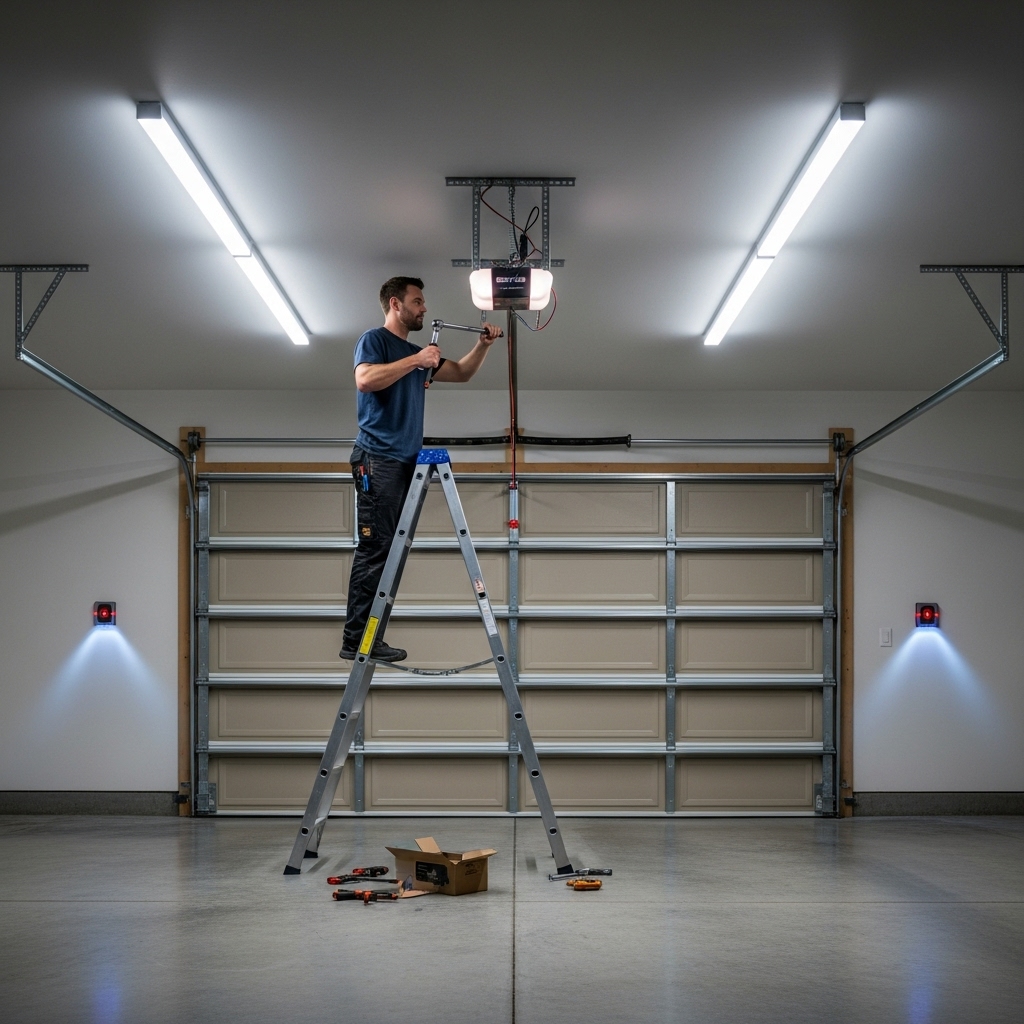
Seamless Garage Door Installation and Opener Setup
In Palm Beach County, a great garage door installation goes hand in hand with a properly configured opener. The combination affects daily convenience, safety, noise, and long-term reliability. Whether you are replacing an aging system or building new, understanding how doors and openers interact will help you make confident choices. To get oriented on professional solutions and what a complete project entails, consider this concise keyword as a starting reference for best practices and feature options.
A high-performing system starts with precise measurements, material selection suited to our coastal environment, and hardware that matches your household’s usage. From insulated panels and reinforced struts to quiet belt-drive openers and battery backups, each decision shapes performance. The best installers coordinate all elements—door weight, spring balance, track geometry, and opener torque—so the system runs smoothly and safely from day one.
Door and Opener: A Matched System
Your garage door and opener are a matched pair. The door should be balanced so that, when disconnected from the opener, it can be lifted by hand without excessive effort. Springs counterbalance the weight, and correct sizing is critical. If springs are undersized or worn, the opener works too hard, leading to noise, vibration, and premature wear. Conversely, oversprung doors can stress hardware and affect safety.
Openers are chosen based on door size, weight, and desired features. Belt-drive units with DC motors are popular for their quiet, smooth operation, especially beneath living spaces. Chain drives remain durable workhorses, and direct-drive or jackshaft units are valuable where headroom is limited. Smart features let you monitor and control the door from your phone, set schedules, and receive alerts—useful during storm season or travel.
Planning for Palm Beach County Conditions
Our climate influences almost every aspect of installation. Coastal air requires corrosion-resistant hardware and robust finishes. The Florida Building Code dictates wind-load considerations and, in many areas, impact-rated products. An experienced installer will review your home’s exposure and recommend solutions: reinforced struts for wide doors, heavy-duty hinges, high-cycle springs for frequent use, and insulated panels to temper heat and reduce noise.
Because power interruptions can follow afternoon storms, battery backup is a smart addition. With a compatible opener, you will still be able to open and close the door safely when the lights are out. Surge protection and reliable photo-eye alignment are also important in areas prone to electrical fluctuations.
The Installation Process: From Assessment to Final Test
Every successful project begins with a thorough site assessment that captures the opening dimensions, checks framing, and confirms headroom and side-room. Installers then remove the existing door if needed, mount new tracks, hang the door sections, and set the torsion system. Proper spring winding ensures balance, which is verified by manual lift tests before the opener is attached.
Opener setup includes mounting the rail or jackshaft unit, positioning the header bracket, aligning the trolley, and installing safety sensors at the correct height. The technician sets travel limits, adjusts force sensitivity, and tests the reversal function with a solid object. Smart features are configured, including Wi‑Fi pairing, mobile app setup, and keypad programming. A quality team documents settings and provides a walk-through of operating and maintenance tips.
Noise Reduction and Smooth Operation
For quiet performance, start with the door itself: nylon rollers reduce friction, and correctly aligned tracks prevent binding. Balanced springs minimize strain on the opener, and belt-drive systems with soft start/stop reduce vibration. Mounting isolation brackets further dampen noise, especially when the garage shares walls or ceilings with living spaces.
Lubrication is essential. Use a garage-door-specific lubricant on hinges, rollers, and springs every few months. Keep tracks clean and photo-eyes free of dust. These simple tasks maintain smooth, safe operation and can extend the life of the entire system.
Smart Controls and Safety Features
Modern openers offer more than push-button convenience. With smart controls, you can grant temporary access to guests, receive alerts when the door is left open, and check status from anywhere. Geofencing can even close the door automatically when you drive away. Safety remains paramount: photo-eye sensors must be aligned, the auto-reverse must be tested, and manual release operation should be demonstrated at the end of every installation.
Consider multi-layer security: rolling-code remotes, secure keypads, and app-based permissions. These features add protection without sacrificing ease of use. If you have a detached garage or multiple doors, your installer can help unify controls and streamline daily routines.
Choosing Materials and Styles
From modern aluminum-and-glass to classic carriage-house looks, your door should match your home’s architecture while standing up to the elements. Insulated steel doors with rugged coatings are among the most versatile options for durability, efficiency, and quiet operation. Impact-rated glass and reinforced construction add resilience against wind and debris. Decorative windows, custom colors, and hardware elevate curb appeal while maintaining structural integrity.
For coastal neighborhoods, ask about stainless or coated fasteners, upgraded struts, and weather seals engineered for salt and sun. These small details contribute to long-term reliability and consistent performance.
Mid-Project Decisions: Upgrades and Adjustments
As work progresses, you may decide to upgrade rollers, switch opener types, or add insulation. An experienced installer will confirm compatibility and adjust the hardware accordingly. If you want a quick overview of installation options and how they integrate with openers, this streamlined keyword provides context for common configurations and feature sets.
If headroom is limited, a jackshaft opener mounted beside the door can free ceiling space for storage or lighting. For tall doors, extension kits or custom rails may be required. Your installer will balance these decisions with local code and manufacturer requirements.
Maintenance for Longevity
Plan on periodic tune-ups to keep the system in optimal shape. A professional will check spring balance, tighten fasteners, align tracks, and recalibrate opener settings. Homeowners can support reliability with quarterly lubrication, debris cleanup near the bottom seal, and occasional safety checks. Keep plantings trimmed near the sensors and ensure nothing blocks the path of the door.
After major storms, a quick inspection is wise. Check for dents, misalignment, or sensor issues caused by power fluctuations. If anything looks off, schedule a professional visit—addressing minor issues early prevents escalations.
Frequently Asked Questions
Q: How long does it take to install a door and configure an opener?
A: Many residential projects are completed in one day, including removal, new hardware installation, opener setup, and safety testing. Complex or custom jobs may require additional time.
Q: Can I reuse my existing opener?
A: If it meets safety standards and is compatible with the new door’s weight and balance, possibly. However, a modern opener may offer quieter operation, better security, and smart features worth the upgrade.
Q: What is the best opener for a bedroom above the garage?
A: A belt-drive DC opener with soft start/stop, vibration isolation, and good insulation on the door typically delivers the quietest performance.
Q: Do I need a permit for a new door?
A: In many cases, yes. Your installer will handle permits, provide product approvals, and coordinate inspections according to county requirements.
Q: How often should I schedule maintenance?
A: Perform homeowner maintenance quarterly and schedule a professional tune-up annually. After storms or power events, verify safety sensor alignment and opener settings.
Q: What features improve reliability in coastal areas?
A: Corrosion-resistant hardware, reinforced struts, high-quality weather seals, and impact-rated glass help doors withstand salt, sun, and wind.
Service Areas Across Palm Beach County
From Jupiter, Tequesta, and Palm Beach Gardens to West Palm Beach, Wellington, Royal Palm Beach, Lake Worth Beach, Boynton Beach, Delray Beach, Boca Raton, and neighboring communities, installation and opener setup can be tailored to distinct architectural styles and site conditions. Your installer will adapt hardware and opener recommendations to fit your home’s layout and usage patterns.
Move Forward with Confidence
A well-matched door and opener elevate daily life—quieter arrivals, smoother departures, and peace of mind during storm season. If you are ready to explore options designed for Palm Beach County homes, review a professional overview and connect with a local expert. Start by visiting this keyword and schedule a consultation to design a system that suits your style, security needs, and routine.