
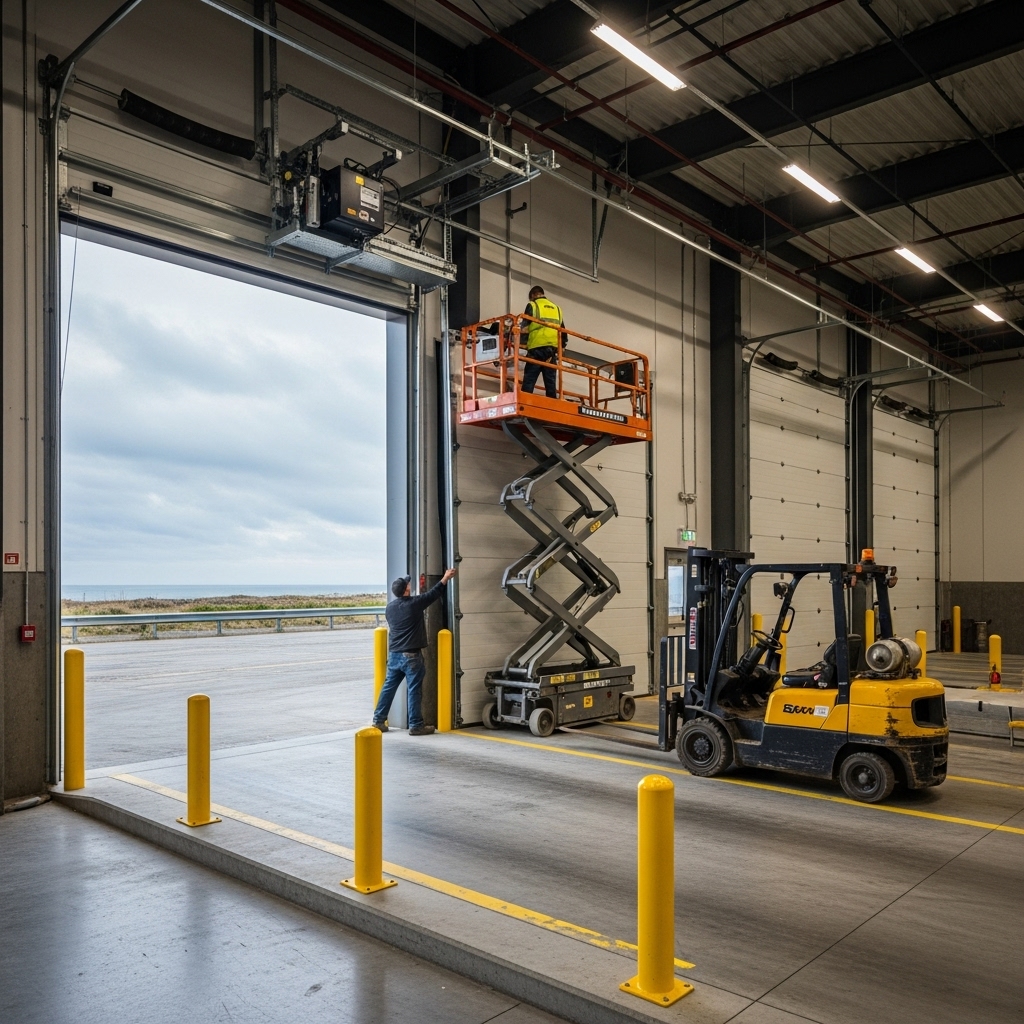
Commercial Garage Door Installations Built for Demanding Operations
Commercial garage door installation in Palm Beach County must deliver uptime, safety, and resilience. Whether you manage a warehouse, auto facility, retail loading area, or municipal building, the right door and operator protect assets, streamline logistics, and withstand daily cycles in a coastal environment. If you are aligning requirements and exploring professional solutions, begin with this overview resource: keyword. It will help you frame specifications, plan for permitting, and coordinate schedules without disrupting operations.
Commercial projects vary widely—sectional steel doors for insulated performance, rolling steel for compact headroom, high-speed fabric doors for clean zones, and specialty fire-rated or impact-rated models for specific codes. The best installations match door construction to the application, pair it with an appropriately sized commercial operator, and integrate safety and access controls for your workflow.
Choosing the Right Door Type for Your Facility
Door selection starts with function. Sectional steel doors with insulated panels are ideal for conditioned spaces and noise reduction. Rolling steel doors conserve headroom and offer robust protection for service bays or loading docks. High-speed doors improve traffic flow, reduce air exchange, and help maintain cleanliness in food, pharmaceutical, and manufacturing environments. Aluminum-and-glass options provide visibility and modern aesthetics for showrooms and service centers.
For coastal resilience, specify corrosion-resistant hardware, powder-coated or galvanized components, and sealed bearings. Impact-rated assemblies and reinforced guides add stability against wind loads. When temperature control is important, look for high R-value insulation, tight perimeter seals, and fast cycling to limit energy loss.
Commercial Operators and Controls
A commercial door is only as good as its operator. Trolley, jackshaft, and hoist operators must be sized to the door’s weight, height, and usage cycles. Consider continuous-duty motors, soft start/stop to protect gear trains, and heavy-duty sprockets and chains. For busy docks, logic controllers with programmable inputs and outputs make it easy to integrate with sensors, loops, and alarms.
Access control is central to security and efficiency. Options include card readers, keypads, RFID, vehicle detection loops, timer-to-close, and networked management. Safety devices—photo-eyes, monitored edges, and signage—protect people and equipment. Battery backup or manual chain hoists maintain access during power interruptions, critical after summer storms.
Code Compliance, Permitting, and Documentation
Palm Beach County’s code environment requires documented wind-load ratings, product approvals, and, in many cases, impact resistance. A professional installer will provide submittals, shop drawings, and permit support, then coordinate inspections. For fire-rated doors, expect fusible links or electronic release devices integrated with your life safety system and tested during commissioning.
Documentation supports maintenance and audits. Top installers record model numbers, gear ratios, spring sizes, and controller configurations for future service. They create as-built packages that include wiring diagrams, sensor placements, and safety test results—critical for compliance and smooth turnover to your facilities team.
Project Planning to Minimize Downtime
Commercial operations cannot afford prolonged disruptions. Experienced installers stage materials, preassemble hardware, and schedule work during off-hours when possible. They coordinate with security and facilities staff, maintain safe egress routes, and manage debris to keep work areas clean. Clear communication and a single point of contact keep the project on track from kickoff to handover.
Contingency planning matters too. If a legacy door must remain operational until the new system is ready, installers can implement temporary safety measures, isolate zones, or phase the work. Thorough risk assessments prevent surprises and protect productivity.
Coastal Considerations and Heavy Use
Salt air accelerates corrosion, so specifying coated hardware, sealed bearings, and stainless components where appropriate is essential. High-cycle torsion springs and durable rollers stand up to frequent use in distribution hubs and service facilities. Weather seals, hood baffles on rolling steel doors, and wind locks on slats improve durability during storms and daily operation.
Where forklifts and vehicles operate, visibility and signaling are key. Consider safety lights, audible alerts, and motion detection to reduce incidents. Bollards or guards protect tracks and guides from impact. For loading docks, integration with dock levelers, vehicle restraints, and interlock systems streamlines safe, efficient workflows.
Energy, Comfort, and Acoustics
Insulated doors, fast cycling, and effective seals help maintain interior temperatures and reduce noise. If your facility includes offices near bays, acoustic performance becomes a priority. Sectional doors with insulated cores and tight seals can significantly cut sound transmission, while soft start/stop operators reduce vibration and rattle.
Air curtains and vestibules are sometimes used at high-traffic openings. Your installer can coordinate these systems with door controls to maximize comfort and reduce energy waste.
Mid-Project Changes and Scalability
Commercial needs evolve. During installation, you may decide to add safety edges, change control logic, or upgrade to higher-cycle operators. Skilled teams adjust submittals and field conditions efficiently while maintaining compliance. If you are evaluating options or building standards for multiple locations, this concise keyword provides a helpful orientation to professional installation pathways and feature sets.
Scalability matters for multi-site operations. Standardizing on models, controls, and documentation simplifies training and maintenance, and it streamlines spare parts management across facilities.
Maintenance and Service Programs
Preventative maintenance reduces downtime and protects equipment. Service plans typically include inspection of springs and counterbalance systems, alignment checks, lubrication, chain and sprocket inspection, seal condition checks, and safety device testing. Keeping a detailed log of cycles and repairs helps predict component wear and schedule proactive replacements.
Train onsite personnel to perform basic checks: visual inspections, photo-eye cleaning, and reporting unusual noises or movement. Establish a clear escalation process with your installer for quick response to issues that require professional attention.
Frequently Asked Questions
Q: Which door type is best for limited headroom?
A: Rolling steel doors and jackshaft operators are excellent in low-clearance environments because they mount to the wall and require minimal overhead space.
Q: How do I ensure code compliance for wind loads?
A: Work with an installer who provides product approvals, engineered drawings, and permit support. They will specify doors and fasteners rated for your site’s wind requirements and coordinate inspections.
Q: Can doors integrate with my security system?
A: Yes. Modern controllers support inputs from card readers, keypads, and alarm systems, as well as outputs for monitoring. Networked solutions enable centralized oversight.
Q: What maintenance interval is appropriate for high-cycle applications?
A: Many facilities schedule quarterly service for heavy-use doors, with additional checks after significant weather events or operational changes.
Q: How can I minimize disruption during installation?
A: Installers can phase work, schedule off-hours, and coordinate with facilities to maintain access and safety. Preassembly and clear staging plans reduce onsite time.
Q: Are impact-rated doors necessary?
A: Requirements depend on location and occupancy, but many sites benefit from impact-rated or wind-rated assemblies. Your installer will advise based on code and risk tolerance.
Serving Businesses Across Palm Beach County
From West Palm Beach industrial corridors to logistics hubs in Boca Raton and Delray Beach, municipal sites in Palm Beach Gardens, and growing centers in Wellington, Boynton Beach, and Lake Worth Beach, commercial installations are tailored to each operation’s traffic patterns, security requirements, and environmental exposures.
Move Forward with a Reliable Commercial Partner
Reliable doors and operators keep your business moving, protect assets, and support safety. If you are planning a new installation or an upgrade across multiple sites, align with a partner who documents compliance, plans for uptime, and offers responsive service. To outline your options and prepare an efficient project plan, review this keyword and schedule a site assessment to get started.