
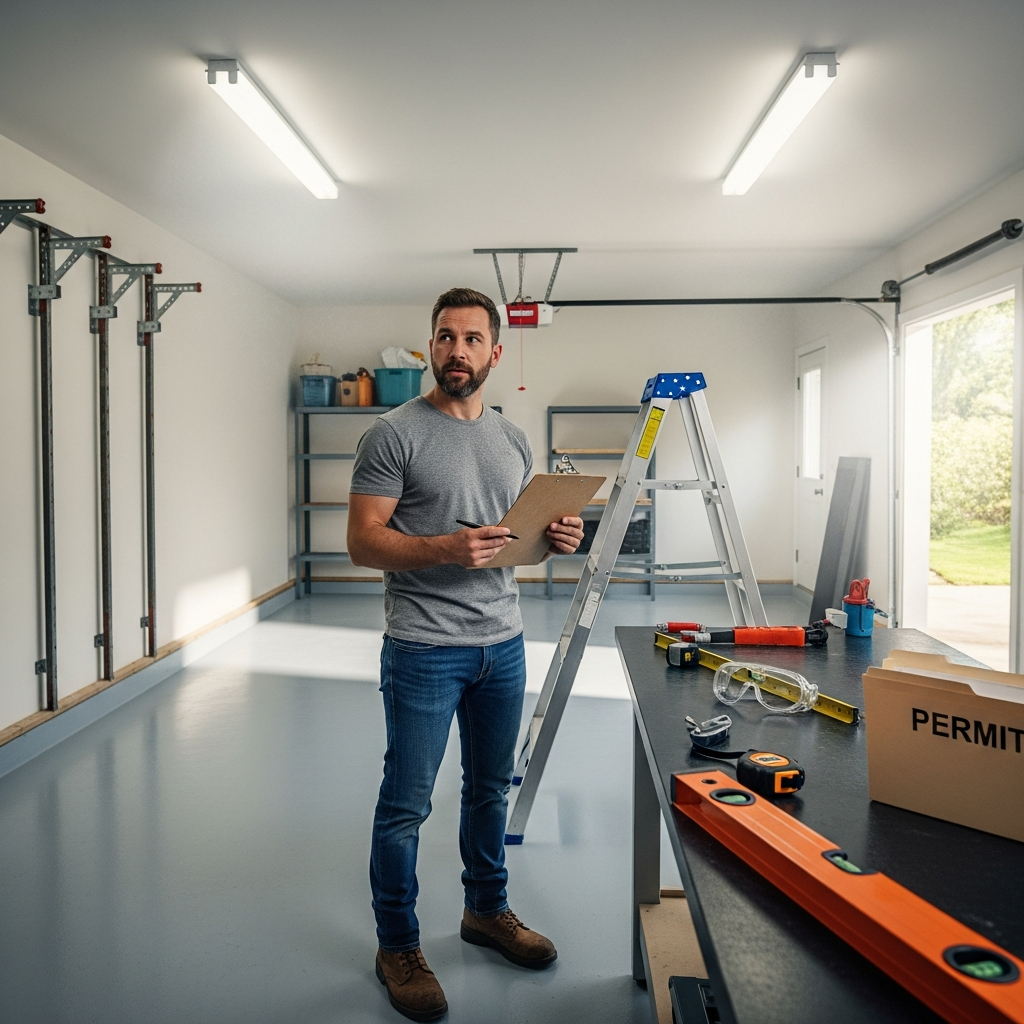
Replacing a garage door in Palm Beach, Florida necessitates a careful checklist-driven approach due to the region’s environmental demands and regulatory requirements. From assessing whether repair or replacement is appropriate to securing permits and selecting materials that withstand salt air and wind, a methodical plan will help homeowners avoid costly mistakes. This checklist-style guide walks you through important considerations, practical steps, and safety tips to ensure a smooth project. To begin the planning stage, many homeowners consult local professionals and review service options with industry experts who know the area’s codes and conditions, including trustworthy garage door replacement services.
Initial Assessment
1. Inspect the current door for visible damage such as rust, dents, warped panels, or broken hardware. Look for signs of repeated failures or safety sensor issues.
2. Check the operation of the door: does it open and close smoothly? Are there unusual sounds or jerky movements? Test the auto-reverse feature and manual release.
3. Determine whether the door meets current wind-load requirements. If it is an older door or there is visible structural degradation, replacement may be necessary to ensure compliance and safety.
Research and Planning
1. Gather information on local building code requirements and permit processes. Contact your municipality or ask prospective installers how they handle permits.
2. Explore material options and finishes; consider corrosion-resistant treatments for coastal exposure. Evaluate insulated options if the garage is attached or used as a conditioned space.
3. Identify style and color preferences that complement your home and conform to HOA rules if applicable.
4. Ask for product documentation on wind ratings, impact certification, and manufacturer warranties before making a selection.
Budgeting and Quotes
1. Obtain written estimates from at least three qualified installers. Ensure each bid lists materials, scope of work, permit handling, and warranty information.
2. Evaluate bids based on qualifications, warranty coverage, and clarity of scope, not just the bottom line. Verify licensing and insurance for each contractor.
3. Confirm the timeline and what the installer will do with the old door, including disposal or recycling options.
Choosing Materials and Features
1. Decide on material: galvanized steel, aluminum, wood, or composite. Consider coatings and finishes that protect against salt and UV exposure.
2. Choose insulation level if desired, and review R-values for thermal performance. Insulation can reduce temperature extremes in attached garages and provide sound dampening.
3. Select windows, hardware, and color. For safety and code compliance, confirm whether windows or certain materials require impact rating or special reinforcement.
Permitting and Compliance
1. Confirm whether permits are required and who will submit them. Most Palm Beach installations require permits due to wind and structural safety standards.
2. Ensure your installer will provide the necessary certified documentation for wind ratings and product compliance to pass inspection.
3. Schedule inspections as required by local authorities and obtain certificates of compliance when work is complete.
Installation Preparation
1. Clear the workspace; remove vehicles, personal items, and fragile belongings from the garage area. Secure pets and keep children away from the area during installation.
2. Protect gear and flooring if installers will need to move heavy components across finished surfaces. Ask the contractor about measures they take to safeguard landscaping and finishes.
3. Confirm access arrangements, parking for the crew, and any neighbor notifications if work may be noisy or intrusive.
Installation Day Checklist
1. Verify the product delivered matches the order and specifications, including color, materials, and any windows or special features.
2. Observe removal of the old door and installation of the new header reinforcement, tracks, panels, and opener per the contract.
3. Ask the installers to demonstrate the door’s operation, safety features, and manual release. Confirm that sensors are correctly aligned and that balance and spring tension are set.
4. Review the final paperwork, warranty documents, and any maintenance instructions with the installers before they depart.
Post-Installation Maintenance Plan
1. Schedule routine checks and professional servicing every 12 to 24 months. Monthly homeowner checks should include testing the auto-reverse, visual inspection for corrosion, and checking for loose hardware.
2. Maintain weatherstripping and seals to protect against moisture infiltration. In coastal areas, consider more frequent washings to remove salt deposits and slow corrosion.
3. Keep records of service and repairs to maintain warranty eligibility and help with future resale documentation.
Safety and Risk Management
1. Never attempt spring replacement or major cable repairs yourself; these components are hazardous due to stored tension. Always call a licensed technician for high-tension repairs.
2. Verify that your installer tests and documents safety features including sensors, anti-entrapment mechanisms, and manual releases.
3. Keep children and pets away from the garage door while it operates, and educate family members on safe usage and emergency procedures.
Middle Considerations: Choosing the Right Installer and Ensuring Compliance
When vetting installers, prioritize those with local experience who can provide references and demonstrate knowledge of Palm Beach building codes. Ask for evidence of insurance and the process they follow for permits and inspections. If you want guidance on specific door models, wind-rated options, or installation timelines, contacting established garage door replacement services can help clarify expectations and ensure you select a product appropriate for the region’s conditions.
Frequently Asked Questions
Q: How often should I schedule professional service? A: Professional inspections every 12 to 24 months are commonly recommended, with homeowner checks monthly.
Q: Do I need an impact-rated door in Palm Beach? A: Impact requirements depend on your property’s location and local code. Many coastal zones require impact-rated or wind-rated doors; consult your local building department or installer.
Q: What maintenance is unique to coastal homes? A: Coastal homes benefit from more frequent visual inspections for corrosion, rinsing of salt deposits, and touch-ups to protective coatings when needed.
Q: Can the old door be recycled? A: Many installers offer disposal and recycling options; ask ahead of time so you know how the old materials will be handled.
Final Steps and Encouragement
Using a checklist approach helps ensure no step is overlooked in your garage door replacement project. Prioritize licensed installers, select materials suited to Palm Beach’s climate, confirm permit procedures, and follow through with regular maintenance. When you are ready to obtain quotes or arrange an on-site assessment, contact experienced teams who understand local codes and homeowner needs. For reliable service options and professional assessments, reach out to local garage door replacement services to discuss scheduling, model options, and compliance processes.