
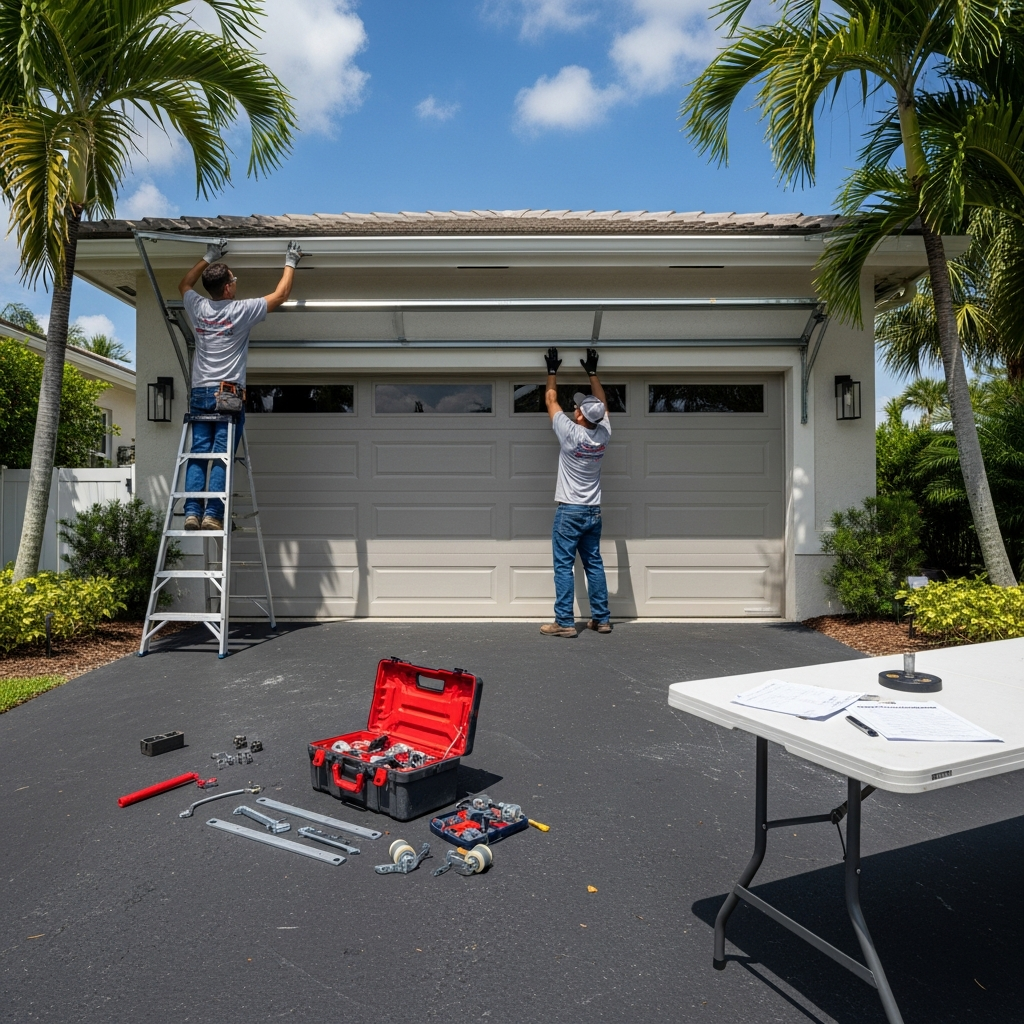
Garage Door Installation Steps For Palm Beach Florida Homeowners
Homeowners in Palm Beach, Florida who plan to install or replace a garage door benefit from understanding the step-by-step process. Proper planning and a professional installer familiar with local climatic conditions and code requirements make the difference between a routine upgrade and a long-term problem. This guide walks through the typical installation steps, from initial assessment and material selection to post-installation checks and ongoing maintenance. If you want professional input tailored to your home, schedule a consultation with a local specialist in garage door installation who understands Palm Beach County’s unique requirements.
Step 1: Initial consultation and site visit. The process usually begins with an on-site appointment where the installer measures the opening and evaluates the existing frame, header, and surrounding structural elements. During this visit, the installer notes any existing issues such as rot, water damage, or previous repairs that could affect the installation. The homeowner and installer discuss door styles, materials, insulation needs, and opener type. In Palm Beach, discussions should include wind-load capacity and corrosion-resistant options to ensure the chosen products stand up to coastal conditions.
Step 2: Choose materials and features. Select the door material—such as sectional steel, aluminum, composite, or fiberglass—based on durability, appearance, and maintenance preferences. Decide on insulation levels appropriate for your needs and whether you want windows or decorative hardware. Consider finishes that resist UV fading and coatings or hardware rated for coastal exposure. The installer will recommend models that comply with local codes and offer the desired combination of aesthetics and performance.
Step 3: Permits and approvals. Many installations in Palm Beach County require permits, particularly if the door must meet wind-load requirements. Your installer should advise on permit needs and may file applications on your behalf. Securing required permits before work begins helps avoid delays and ensures your installation meets municipal inspections and insurance standards.
Step 4: Pre-installation preparations. Before the scheduled installation day, clear the garage and driveway, and make arrangements for pets and children. If the installation involves a replacement, confirm whether the installer will remove and haul away the old door. Prepare any necessary power access for the opener installation, and move valuables out of the work area. The installer will arrive with the pre-ordered door sections, tracks, springs, hardware, and opener equipment.
Step 5: Removing the old door and inspecting the opening. If replacing an old unit, the crew will carefully remove sections, hardware, and the opener if included. After removal, the installer inspects the opening and framing for damage. Any structural repairs or frame adjustments are completed prior to installing the new door. This step ensures the new door will align properly and operate smoothly.
Step 6: Installing the new door. Installation typically begins with mounting the bottom section and weatherstrip, then building upward by attaching additional sections, tracks, and rollers. Torsion or extension springs are installed and calibrated to balance the door’s weight. Proper spring tension is crucial for safe manual operation and to reduce strain on the opener. Track alignment and roller function are adjusted to promote smooth motion along the full travel path.
Step 7: Opener installation and system wiring. If a new opener is part of the project, the installer mounts the unit, runs necessary wiring, and configures safety sensors and remote controls. Modern openers offering smart features may require setup for Wi-Fi connectivity and app integration, as well as configuration of backup power features. Opener installation also includes testing force limits and the auto-reverse functionality to comply with safety standards.
Step 8: Calibration, safety checks, and adjustments. After mechanical components are in place, the installer performs a series of safety tests. These include auto-reverse tests with obstruction, verifying sensor alignment, checking manual release operation, and ensuring proper locking and sealing. Hardware is tightened, seals are checked for proper fit, and the overall operation is observed through multiple cycles to confirm smooth, reliable performance.
Step 9: Final cleanup and homeowner walkthrough. A professional crew will clear the work area of debris and dispose of removed materials if agreed upon. They conduct a detailed walkthrough with the homeowner, demonstrating how to operate the door manually and with the opener, explaining emergency release procedures, and providing maintenance guidance. The installer should leave a written summary of warranty details and recommended maintenance intervals to help preserve warranty coverage and prolong service life.
Step 10: Post-installation maintenance plan. Establishing a maintenance routine is essential, especially given Palm Beach’s coastal environment. Schedule inspections at least annually, with semi-annual checks recommended in high-humidity or high-salt areas. Maintenance tasks include lubricating moving parts, checking cables and springs, testing sensors and auto-reverse mechanisms, and inspecting weather-seals and paint finishes for signs of weathering or corrosion.
Step 11: Emergency preparedness and documentation. Keep contact information for your installer readily available and maintain a folder with warranty papers, product manuals, and service records. Knowing how to access the manual release and understanding the opener’s battery backup operation prepares you for power outages or mechanical failures. Keeping documentation organized accelerates service and warranty claims should problems arise.
Step 12: Long-term considerations and upgrades. Over time you may consider upgrades such as better insulation, quiet belt-drive openers, or enhanced security features like rolling-code keypads and integrated smart-home options. Discuss long-term plans with your installer so they can recommend compatible upgrades without compromising the original installation’s integrity.
Frequently Asked Questions
Q: How long does a typical installation take? A: Most standard installations are completed in a single day, but complexity, structural repairs, and permit processes can extend timelines.
Q: Are additional reinforcements required for homes in Palm Beach? A: Many homes in hurricane-prone zones require wind-load rated doors or reinforcements; your installer will determine if these are necessary based on local building codes and your property location.
Q: Can I install the door myself? A: DIY installation is not recommended for most homeowners due to the high tension in springs and the need for precise alignment; professional installation ensures safety and warranty compliance.
Q: What routine maintenance should I plan for? A: Regular lubrication, hardware tightening, sensor testing, and inspection for corrosion or seal damage are recommended at least annually and ideally twice a year in coastal environments.
Q: How do I verify installer credentials? A: Request proof of licensing, insurance, local references, and written warranties on both parts and labor. A reputable local installer will gladly provide documentation and examples of past work.
Next Steps and Scheduling
Understanding these installation steps helps Palm Beach homeowners prepare for a successful garage door replacement or new installation project. If you want a professional assessment that addresses local code requirements, wind-load considerations, and material recommendations for a coastal environment, contact a local installer who specializes in residential garage door installation. They can schedule an on-site visit, provide product options that match your home’s style, and outline a permitting and installation timeline that fits your needs.
When you are ready to move forward, reach out to a trusted local professional to arrange a consultation. A well-planned installation executed by experienced technicians will keep your garage door operating safely and reliably while enhancing your home’s curb appeal and resilience to Palm Beach weather conditions. Make your appointment today to ensure a timely, code-compliant installation that protects your property for years to come.