Importance of Regular Garage Door Inspections
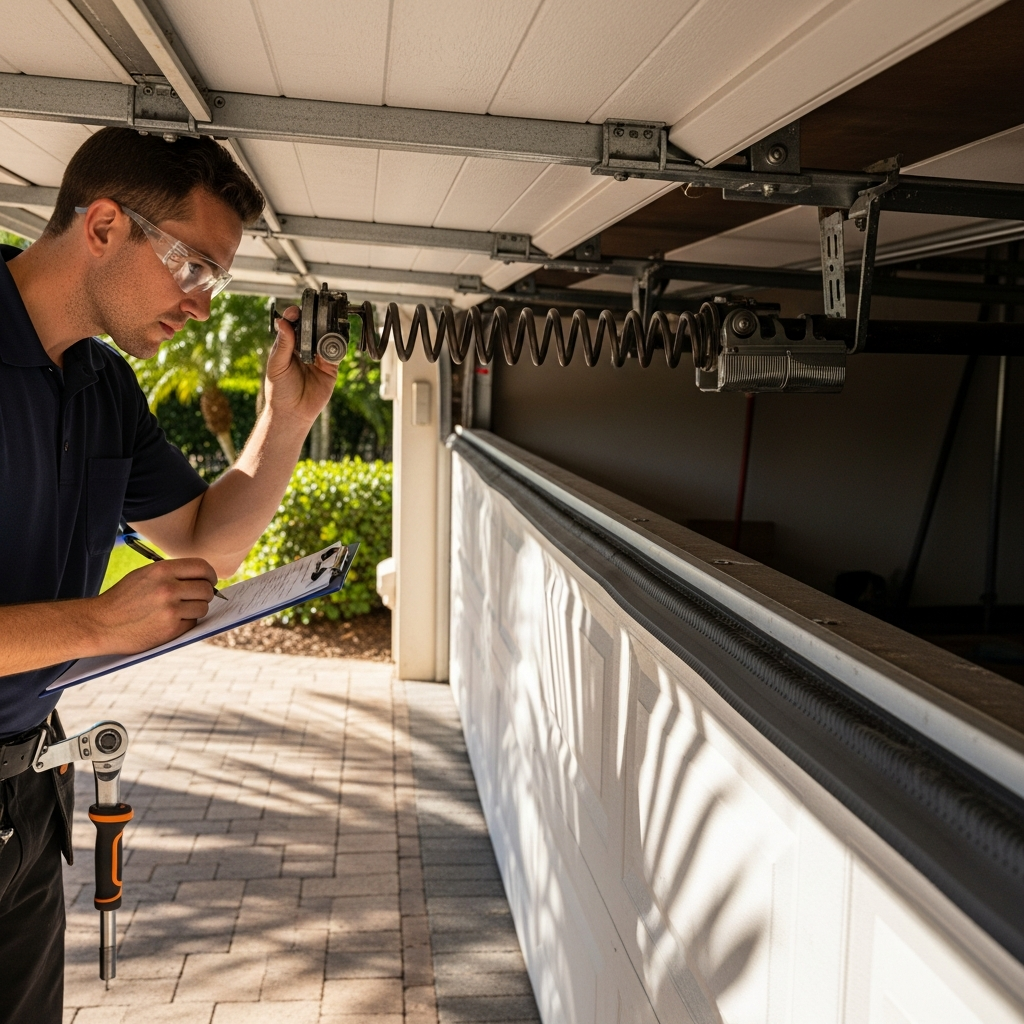
Regular garage door inspections help detect small problems before they escalate into major failures. For homeowners in Palm Beach, Florida, where humidity and salt air can accelerate component wear, proactive inspections are especially valuable. Routine assessments protect your home’s security, prevent unexpected service interruptions, and help maintain the door’s appearance and function. Professionals recommend inspections at least twice a year, and after any significant weather events, to ensure everything remains in good working order.
Preparing for an Inspection
Before an inspection, clear the garage area of obstacles and ensure the homeowner can provide access to the door, opener, and surrounding structures. Turn off any automatic timers that might engage during the inspection and secure pets and children away from the workspace. If the inspection is performed by a technician, ask for an overview of the planned checks and any documentation they will provide upon completion.
Make a note of any recent issues you’ve observed—unusual noises, slow operation, or intermittent opener performance—so the inspector can focus on those areas during the visit. Documenting these symptoms in advance will help the technician diagnose problems more efficiently and provide a tailored maintenance or repair plan.
Step-by-Step Inspection Process
A thorough inspection follows a methodical checklist that evaluates every important component. Below are typical steps a professional will take during an inspection:
-
Visual Assessment: The technician examines the door panels, tracks, and hardware for visible damage, rust, or wear.
-
Hardware Check: Bolts, nuts, hinges, and brackets are inspected and tightened as needed.
-
Spring and Cable Inspection: Springs and cables are examined for signs of wear, gaps, or fraying. Any concern with these high-tension parts leads to a recommendation for professional replacement.
-
Roller and Track Evaluation: Rollers are inspected for wear or damage, and tracks are checked to ensure they are plumb and free of obstructions.
-
Balance Test: The technician disconnects the opener and tests the door balance to determine if spring tension adjustments are needed.
-
Opener Function Test: The opener is tested for proper operation, including remote controls, keypads, and safety sensors.
-
Safety System Verification: Automatic reversal mechanisms and photo-eye sensors are tested to confirm safe operation.
-
Weatherstripping and Seal Evaluation: Inspectors check seals and thresholds to ensure protection against moisture and pests.
Inspection Findings: What They Mean
After completing the inspection, the technician explains findings and classifies them into immediate repairs, recommended maintenance, and future considerations. Immediate repairs are those that affect safety or basic operation—broken springs, frayed cables, or misaligned tracks. Recommended maintenance includes lubrication, minor hardware tightening, or replacement of worn rollers. Future considerations might involve upgrading to more corrosion-resistant components or replacing weatherstripping to improve energy efficiency.
Owners should receive a written summary with photos of problem areas when applicable, so they can review the work that was done and understand any suggested follow-up items. This documentation helps when scheduling future maintenance and provides a record of the door’s condition over time.
DIY Pre-Inspection Checks
Homeowners can perform simple preliminary checks before scheduling a professional inspection. These include testing the auto-reverse feature by placing an object in the door’s path, visually inspecting for obvious rust or dents, and listening for unusual sounds during operation. Tighten visible loose hardware and clean tracks of debris. However, avoid attempting spring or cable adjustments—leave those to the pros for safety reasons.
Mid-Inspection Advice: What to Ask Your Technician
During the inspection, ask your technician specific questions to better understand your door’s condition and long-term needs. Useful questions include:
- How many cycles has my door experienced, and how does that affect expected lifespan?
- Are my springs original, and do they need replacement soon?
- Are the rollers and tracks suitable for coastal conditions, or should I upgrade to corrosion-resistant parts?
- What maintenance should I perform between professional inspections?
- Do you recommend any upgrades for improved security or storm resistance?
These inquiries help you prioritize repairs and invest in improvements that offer the best value and safety for your home. A knowledgeable technician will explain options clearly and help you understand trade-offs between repair and replacement.
FAQ
-
Q: How often should I schedule a professional inspection?
A: Schedule a professional inspection at least twice a year, or after severe weather events, to catch issues early and maintain safety.
-
Q: What should I do if the inspector recommends spring replacement?
A: Springs are high-tension components; schedule replacement promptly with a qualified technician to avoid safety hazards.
-
Q: Can I perform my own inspection?
A: You can perform basic visual checks and simple tests, but full inspections and repairs should be performed by professionals.
-
Q: Do inspections cover electric openers as well?
A: Yes. A thorough inspection includes opener function, remotes, sensors, and any electrical components involved in door operation.
-
Q: Will an inspection identify if my door meets hurricane codes?
A: An inspector can evaluate wind rating and suggest upgrades, but official compliance may require additional documentation or specific certified products.
Next Steps and Final Encouragement
Regular inspections and timely repairs are essential to door longevity and household safety. By staying proactive, you reduce the risk of emergency failures and costly damage. If your inspection reveals concerns you cannot address yourself, schedule service with a trained local technician who understands Palm Beach’s unique environmental challenges. They will provide safe, effective repairs and recommendations to enhance both durability and performance.
For professional inspection services, repair recommendations, or to schedule a comprehensive check of your garage door system, contact a trusted local team. Book an appointment with experienced specialists and protect your home with professional garage door repair services today.