
Introduction
Many homeowners prefer to handle simple garage door troubleshooting themselves to save time and keep minor issues from escalating. In Palm Beach, Florida, the local environment adds variables such as salt corrosion and humidity that affect part longevity. While many maintenance tasks are DIY-friendly, anything involving high-tension springs, cables, or exposed electrical components should be handled by a pro. For tasks you prefer not to perform yourself, schedule help from a qualified garage door service.
Safety First: What You Can and Cannot Do
Before attempting any DIY work, prioritize safety. Wear safety glasses and gloves, keep bystanders clear, and disconnect power to the opener when inspecting electrical parts. Never attempt spring replacement or major cable repairs yourself; these are dangerous and require special tools and training. Focus your DIY efforts on lubrication, simple adjustments, cleaning, and basic troubleshooting steps.
Basic Troubleshooting Steps
- Visual inspection: Scan the door, tracks, and hardware for obvious damage or debris.
- Test the manual release: With the door closed, disconnect the opener and manually open the door halfway to check balance.
- Check safety sensors: Ensure sensors are aligned and clean; dirt or misalignment can prevent operation.
- Test remotes and wall switch: Replace batteries if needed and verify the wall switch functions correctly.
Fixing Common Issues
Here are DIY-friendly fixes for common, non-hazardous problems:
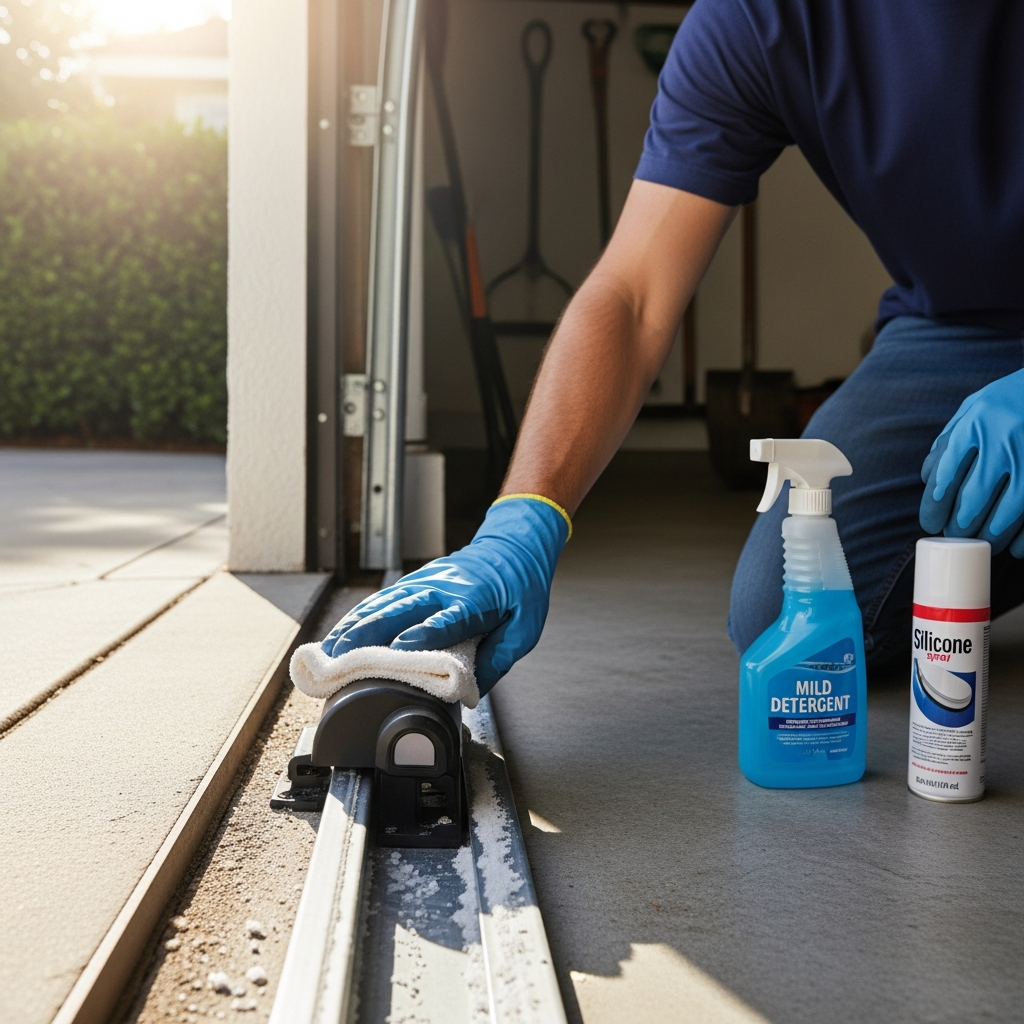
- Sticky rollers and tracks: Clean tracks with a mild detergent solution and a soft cloth. Remove debris from the track and wipe dry. Lightly lubricate moving parts with a silicone-based lubricant.
- Loose hardware: Tighten visible bolts and screws that secure tracks and hinges. Do not adjust spring anchor bolts or main spring hardware.
- Misaligned sensors: Clean the sensor lenses with a dry cloth and realign until the indicator lights show they are communicating.
- No response from remotes: Replace batteries and reprogram remotes following the manufacturer’s instructions.
Tackling Roller and Track Noise
Noise often comes from worn rollers or dirty tracks. Inspect rollers for cracks or flat spots. Nylon rollers are quieter; if metal rollers are noisy and show wear, consider planning a replacement with professional help. Clean tracks and remove rust or grit buildup. Apply a light amount of lubricant to roller shafts, hinges, and bearings to reduce friction and noise.
Opener Troubleshooting
If the opener is unresponsive, start with power checks: ensure the unit is plugged in and the breaker has not tripped. Reset the opener by unplugging it for a minute and plugging it back in. Check the opener’s indicator lights and consult the manual for diagnostic codes. For motor smells, smoke, or persistent electrical issues, stop DIY attempts and call a technician.
Testing Door Balance Safely
To test balance, disconnect the opener using the emergency release and lift the door manually to about waist height. A well-balanced door should stay in place. If it drifts up or down, this indicates a spring or balance issue that requires professional adjustment. Do not attempt to adjust spring tension yourself.
Weather Seal Maintenance
Replace damaged bottom seals and side weatherstripping to prevent moisture and pests from entering your garage. Cut replacement seals to size and secure them with appropriate fasteners. Inspect thresholds for wear and replace them if you notice gaps that allow water or salt air inside.
Addressing Corrosion and Salt Exposure
Rinse off salt deposits from tracks, panels, and hardware regularly if you live close to the coast. Use a mild detergent and fresh water, dry thoroughly, and apply corrosion-resistant coatings where appropriate. For advanced corrosion or structural rust, seek professional evaluation to determine if parts need replacement.
When to Stop DIY and Call a Pro
Stop DIY efforts and call a professional if you encounter any of the following:
- Broken or loose springs, cables, or pulleys.
- Door off its track or panels that have major structural damage.
- Opener with electrical faults, overheating, or smoke.
- Any repair that requires specialized tools or spring tension adjustments.
Preventive Maintenance You Can Do
- Monthly visual checks for wear, debris, and alignment issues.
- Clean and lubricate moving parts every three to six months, more often in coastal areas.
- Keep a maintenance log of any repairs, part replacements, and tune-ups.
FAQ
Q: How can I tell if the garage door problem is electrical or mechanical?
A: If the opener hums but the door doesn’t move, mechanical issues like broken springs or locked tracks may be the cause. If the opener shows no power or indicator lights are out, it suggests an electrical issue. Always disconnect power before inspecting electrical components and call a pro if unsure.
Q: Is it okay to lubricate nylon rollers?
A: Nylon rollers typically do not require lubrication except at the roller bearings if specified by the manufacturer. Over-lubrication can attract grit that wears the rollers faster.
Q: How often should I clean salt deposits off my door and tracks?
A: Rinse visible salt deposits monthly if you live close to the shoreline, and more often after storms that bring salt spray inland.
Useful Tips for Palm Beach Homeowners
Keep the area around the garage clear to minimize debris. When parking near the shoreline, consider rinsing the vehicle and garage threshold to reduce salt transfer. Teach household members safe usage practices and the importance of not attempting spring or cable repairs.
Professional Help When Needed
For more complex troubleshooting, emergency repairs, or spring and cable replacement, contact a licensed technician. A trained provider can perform safe, reliable repairs and recommend upgrades that are more resistant to Palm Beach environmental conditions. If you need professional assistance beyond DIY tasks, reach out to an experienced garage door service to schedule an inspection and repairs.
Next Steps
Use the simple checks and maintenance steps above to keep your garage door running smoothly and safely. Document issues and repairs and call a professional for any high-risk tasks. Regular attention and proper care prevent many common failures and ensure reliable operation for years to come.