
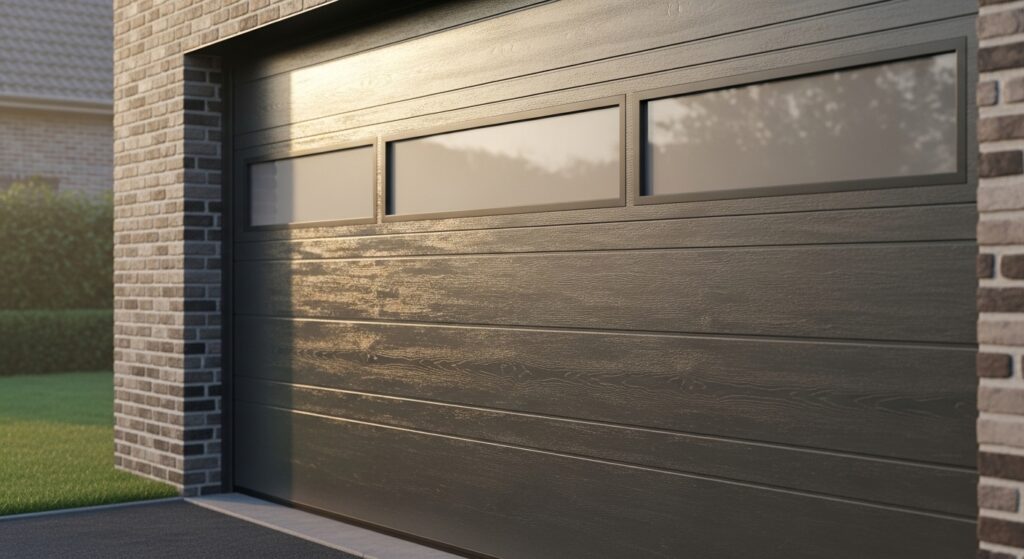
When a garage door problem occurs, knowing how to systematically troubleshoot the issue can save time and help you communicate effectively with a technician. Troubleshooting identifies whether a problem is a simple fix you can handle safely or whether you need a professional repair. This checklist covers common symptoms, likely causes, and immediate steps to take specifically for Palm Beach, Florida homes where environmental factors such as humidity and salt air may influence performance. If the issue requires expert care, rely on an experienced garage door service to provide timely diagnosis and safe repairs.
Safety Precautions Before Troubleshooting
Always prioritize safety. Keep people and pets away from the door while testing. Disconnect power to the opener before inspecting mechanical components. Never attempt to adjust or replace high-tension springs unless you are a trained professional with proper equipment.
Initial Observations and Questions
- Does the opener respond to the wall switch or remote?
- Are there unusual noises such as grinding, screeching, or banging?
- Is the door moving unevenly, hesitating, or stopping mid-travel?
- Are there visible signs of damage to panels, tracks, springs, or cables?
Step-by-Step Troubleshooting Checklist
- Check the Power: Ensure the opener is receiving power. Check circuit breakers and test outlets if the opener is completely unresponsive.
- Test Remote and Wall Switch: Replace batteries in remotes and keypads. If the wall switch works but the remote does not, reprogramming or battery replacement may resolve the issue.
- Inspect Safety Sensors: Make sure the photo-eye sensors are aligned and free of obstruction. Clean the lens surfaces and confirm LEDs indicate proper alignment.
- Look for Visible Damage: Inspect tracks, rollers, and panels for dents, gaps, or obstructions. Even small debris can cause misalignment or binding.
- Test Manual Operation: With the opener disconnected, carefully lift the door halfway. If it doesn’t stay in place or is excessively heavy, springs may be worn or improperly tensioned.
- Listen for Unusual Sounds: Noises often indicate worn rollers, loose hardware, or failing bearings. Identify the source of the sound before attempting repairs.
- Check Opener Settings: Many openers have adjustable force and limit settings. If the door reverses or stops prematurely, limit adjustments may be needed (consult a professional for complex adjustments).
- Inspect Cables and Springs from a Distance: Look for frays, gaps, or rust. Do not touch or attempt to repair these parts yourself.
- Evaluate Weatherstripping and Seals: Warped or damaged seals can bind during operation and cause resistance.
- Consider Environmental Factors: In coastal and humid climates, corrosion or salt buildup can affect moving parts. Regular cleaning and corrosion-resistant components reduce these issues.
Common Problems and Likely Causes
Problem: Door won’t open or close. Possible causes include a tripped breaker, disconnected opener, misaligned sensors, or a locked manual release. Check power and sensors first.
Problem: Door reverses after closing. Possible causes are misaligned safety sensors, obstruction in the path, or incorrect opener force or limit settings.
Problem: Noisy operation. Possible causes include worn rollers, loose hardware, failing bearings, or lack of lubrication.
Problem: Door is off track. Possible causes include impact damage, bent tracks, or broken rollers. Do not attempt to move an off-track door without professional help.
Problem: Broken spring. A broken torsion or extension spring will often make a loud noise and cause the door to become heavy or unable to open. This requires immediate professional attention.
Mid-Checklist: When to Call a Professional
- Broken springs or cables visible to the eye.
- Door off its track or severely bent panels.
- Electrical issues with the opener that persist after basic checks.
- Suspicious noises indicating possible bearing or motor failure.
- Any sign of structural damage to the door frame or header.
For these conditions, contact a professional repair team experienced in safe handling and accurate diagnosis. A certified garage door service can perform a detailed inspection and recommend repairs that restore safety and reliability.
Diagnostic Tools and Techniques
A professional technician uses specialized tools: tension gauges, track alignment instruments, and diagnostic testers for openers. These tools enable precise adjustments and ensure the system meets safety standards. Technicians can also test safety reversal using certified methods and provide documentation of the inspection.
Temporary Measures to Secure Your Home
If the door fails and cannot be immediately repaired, secure the garage by locking internal doors leading to living spaces and placing temporary barriers as necessary. Avoid leaving a damaged door partially open, since it can invite theft or weather damage.
Preventive Actions to Avoid Future Issues
- Schedule regular inspections and maintenance, especially in coastal climates.
- Lubricate moving parts and clean tracks periodically.
- Replace aging components proactively rather than waiting for failure.
- Keep remote codes secure and replace opener batteries on a regular schedule.
Guidelines for Communicating with a Technician
Provide clear information about what happened and any patterns you noticed, such as noises, weather conditions, or recent changes. Share the door’s age, any previous repairs, and whether you attempted any DIY fixes. The more details you can give, the faster the technician can diagnose the issue and prepare the necessary parts.
Common Misconceptions
Misconception: Tightening springs is easy and safe. Reality: Spring tension is dangerous and requires specialized tools and training.
Misconception: Any lubricant will do. Reality: Use lubricants formulated for garage doors to avoid attracting dust and grit that cause wear.
Frequently Asked Questions
Q: My door stops and reverses for no reason. What should I check first? A: Check the alignment and cleanliness of the photo-eye sensors and ensure nothing is obstructing the path. Also inspect the limit switches and force settings on the opener.
Q: Can I replace rollers myself? A: Replacing rollers often requires supporting the door and handling springs; unless you have experience, it is safer to hire a professional.
Q: The opener runs but the door does not move. What does that indicate? A: This can suggest a disconnected trolley, broken springs, or a problem with the drive mechanism. Avoid forcing the door and call a technician.
Q: How do coastal conditions affect troubleshooting? A: Salt and humidity accelerate corrosion and can cause electrical and mechanical failures earlier than in inland climates. Regular inspections mitigate these impacts.
Conclusion and Next Steps
A structured troubleshooting approach helps determine whether an issue is a quick remedy or requires professional repair. Always prioritize safety and avoid handling high-tension parts yourself. When in doubt, call an experienced local team that understands Palm Beach’s climate and common garage door issues. They can provide accurate diagnosis, secure temporary measures, and perform reliable repairs. If you need expert evaluation and timely service, contact a local garage door service to prioritize safety and restore normal operation promptly.
Keep this checklist handy for future reference and schedule regular maintenance to reduce the likelihood of unexpected failures. By taking preventive action and understanding the signs of trouble, you can maintain a safer, more dependable garage door system year-round.