
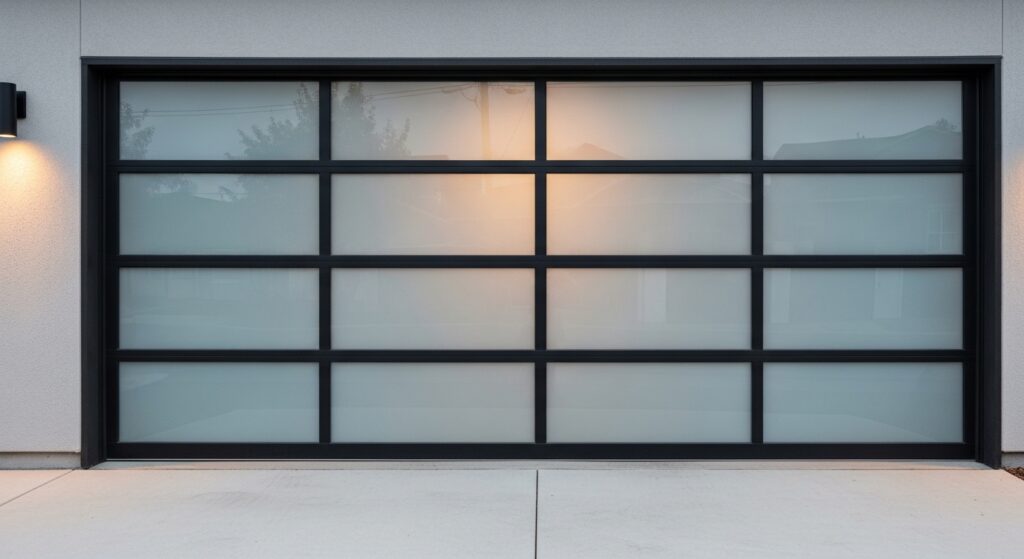
Complying with wind code requirements is essential for homes and commercial properties in Palm Beach, Florida. Storms and high winds are part of the seasonal landscape, and garage doors represent a significant vulnerability in a building’s envelope if they are not designed and installed to withstand intense wind loads. Whether you’re replacing an older door, retrofitting an existing opening, or installing a new system, work with a qualified team experienced in wind code compliance and local regulations. A specialized garage door service can guide you through the necessary products and installation techniques to meet or exceed mandated standards.
Why Wind Codes Matter for Garage Doors
Wind codes exist to reduce structural damage and improve safety during storms by establishing design and construction requirements for openings such as doors and windows. Garage doors are large, flat surfaces that, when compromised, can allow high internal pressures into a home and cause catastrophic failures. Properly designed wind-resistant doors help prevent the door from being blown in or torn off, thereby protecting the building’s structural integrity.
Understanding Local Regulations and Requirements
Palm Beach County and the state of Florida have specific building codes and wind-load requirements based on factors like geographical location, building height, and exposure category. Compliance typically requires that garage doors meet specified wind load ratings, use impact-resistant materials or approved shutters, and have secure anchoring systems. Working with a provider that knows local permitting and inspection procedures ensures the installation qualifies under code.
Types of Wind-Resistant Garage Door Solutions
- Reinforced sectional doors with wind-rated panels and reinforcement struts.
- Single-panel doors designed with wind-resistant frames and securing systems.
- Impact-rated roll-up doors or motorized systems with reinforced curtain slats.
- Retrofitting kits that reinforce existing doors with additional brackets, struts, and secure anchoring.
Each solution has trade-offs in terms of aesthetics, operational characteristics, and cost. A certified technician can evaluate your opening, local wind load requirements, and preferences to recommend the best option.
Inspection and Pre-Installation Assessment
A thorough assessment must be performed before installation or retrofit. Technicians will measure the door opening, examine the framing and header, assess anchoring points, and determine exposure conditions. Existing doors may require frame strengthening or header reinforcement prior to the installation of wind-rated systems. Proper evaluation prevents common pitfalls and ensures the finished installation will meet code requirements.
Professional Installation Practices
Correct installation is as important as the product itself. Wind-rated doors require precise anchoring and connection to the structure. Installers must follow manufacturer specifications and local building codes for fasteners, anchor spacing, and reinforcement. Sealants and weatherproofing are also incorporated to maintain performance against wind-driven rain and to reduce air infiltration.
In many cases, the installation process includes coordination with local inspectors or building departments to obtain permits and pass necessary inspections. A qualified service will manage this process and provide the documentation required for compliance.
Maintenance of Wind-Rated Doors
Even wind-rated doors need regular maintenance to preserve their structural integrity. Maintenance tasks include tightening hardware, checking for rust or corrosion, lubricating moving parts, verifying anchoring points, and testing balance and operation. In coastal environments like Palm Beach, salt air can accelerate corrosion, making preventive maintenance especially important.
Scheduled maintenance ensures ongoing performance and may be a requirement under warranty conditions for some wind-rated products.
Mid-Project Considerations
- Confirm that the selected door meets the specific wind-load rating for your address and building category.
- Verify that the building header and frame are reinforced as necessary to accept the anchoring and loads.
- Ensure that the installer follows the manufacturer’s installation manual and documentation.
- Obtain necessary permits and schedule inspections as required by local authorities.
If you need assistance selecting compliant products or arranging an installation that satisfies code requirements, consult with a service provider that specializes in wind-rated systems. A trusted local garage door service will have experience with Palm Beach County codes and can guide you through each step.
Retrofitting Existing Garage Doors
Many homeowners prefer to retrofit existing doors rather than replace them completely. Retrofitting can include adding reinforcement struts, upgrading hardware, improving anchoring, and installing additional locks or devices to secure the door during high winds. A retrofitting plan should be designed specifically for the existing door model and the building’s structural conditions.
When retrofitting, pay careful attention to the door’s operational balance. Reinforcements change load distribution and may require adjustments to springs and opener settings to ensure smooth and secure operation.
Wind-Resistant Materials and Features
- Galvanized or stainless steel components for corrosion resistance in coastal environments.
- High-cycle springs and durable torsion systems for long-term reliability.
- Reinforced panel designs and internal struts to resist impact and bending.
- Secure anchoring systems and heavy-duty tracks to maintain alignment under pressure.
Insurance and Documentation
Wind-rated installations may affect insurance coverage and premiums. Be sure to document the installation with manufacturer product information, installer certifications, and any inspection certificates from local authorities. This documentation can be important when filing claims after storm events.
Choosing the Right Installer
When selecting an installer, prioritize companies with proven experience in wind-rated door installations and knowledge of local code requirements. Verify that installers are licensed as required, insured, and capable of providing references or evidence of past compliant projects. An installer should be able to provide documentation needed for permits and demonstrate familiarity with required fasteners, reinforcements, and inspection checklists.
Long-Term Benefits of Compliance
Meeting wind code requirements provides peace of mind and reduces the risk of severe damage during storms. Wind-rated doors protect property, improve occupant safety, and can contribute to lower long-term repair costs after severe weather events. Investing in compliant products and professional installation enhances resilience and the overall value of your home.
Frequently Asked Questions
Q: How do I know the wind-load rating I need? A: Ratings depend on your building’s location, exposure, and construction. A qualified technician or engineer can determine the correct rating based on local codes and site-specific factors.
Q: Can any door be retrofitted to meet wind codes? A: Not always. Some older doors may not be suitable for retrofitting and might require replacement with a wind-rated model. A professional evaluation will clarify the options.
Q: Will retrofitting change how the door operates? A: Reinforcements can affect weight and balance, so spring and opener adjustments often accompany a retrofit to ensure safe, smooth operation.
Q: Do wind-rated doors look different? A: Many modern wind-rated doors are designed to match common architectural styles. Reinforcements are often internal or designed to be unobtrusive.
Final Notes and Action Steps
Protecting your home from wind-related damage starts with understanding local requirements and choosing the right products and installers. A professional service that specializes in wind-code compliance can handle inspection, permitting, installation, and necessary documentation. For tailored guidance, installation support, and service that adheres to Palm Beach regulations, trust an experienced garage door service to ensure your garage door performs reliably in any weather.
When planning upgrades or new installations, schedule an inspection early in the process. Proper planning allows time for necessary structural reinforcements, permit acquisition, and a smooth installation that meets code and protects your property against the seasonal storms common to the Palm Beach area.