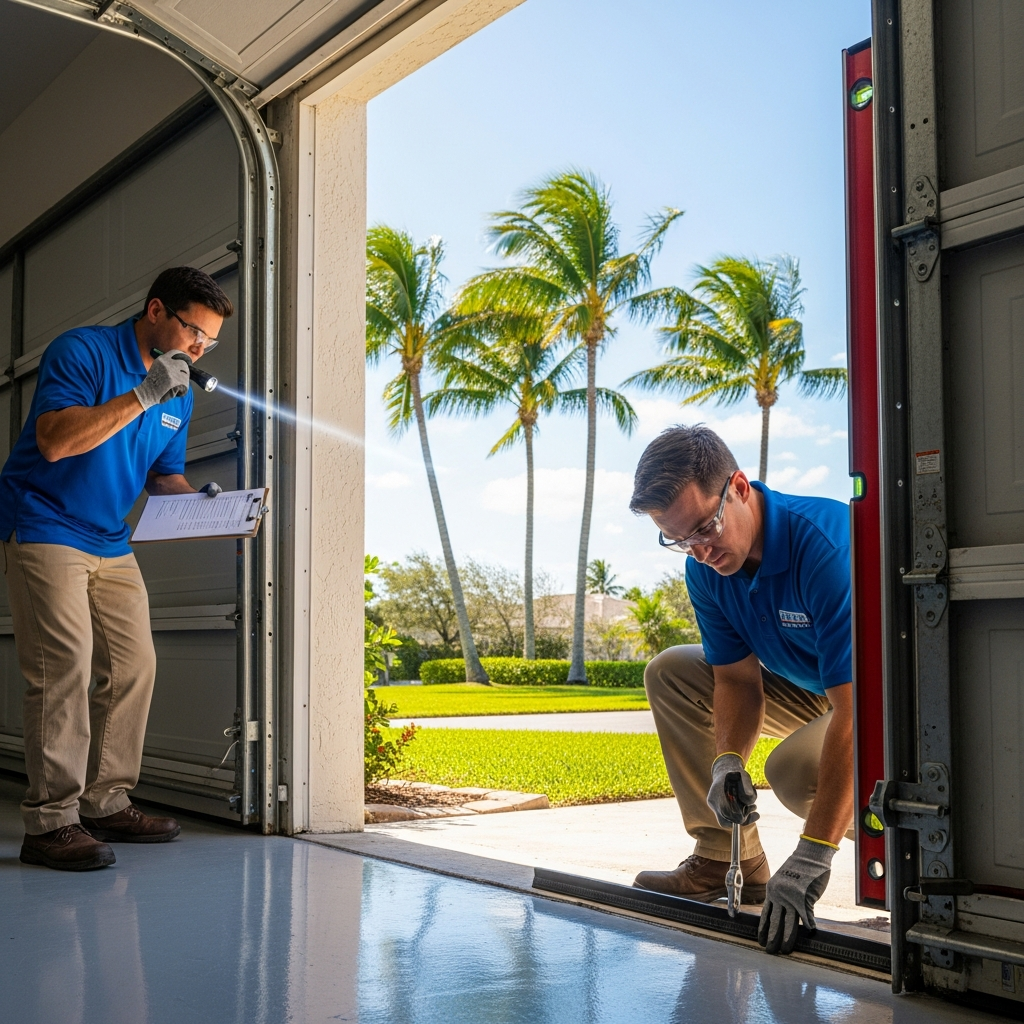
A thorough inspection is the foundation of preventative care for any garage door. This detailed checklist is designed for homeowners and technicians in Palm Beach Florida to systematically evaluate condition, safety, and performance. Use this guide to identify potential issues early, prioritize repairs, and plan maintenance. If you prefer professional inspection, a certified provider can perform a comprehensive evaluation and recommend next steps for garage door replacement and related services.
Before you begin the inspection
Safety first: disconnect the opener, and ensure that the area around the door is clear of people and objects. Wear eye protection and gloves where needed. A flashlight and camera or smartphone are useful to document issues for future reference or when consulting a professional.
Exterior visual inspection
- Panels: Examine all panels for dents, cracks, rust spots, and warping. Look for delamination on composite or wood doors and peeling paint or finish degradation that could allow moisture infiltration.
- Weather seals: Inspect bottom, side, and top seals for cracks, gaps, or compression that reduces their effectiveness. Check for signs of water intrusion under the door after rain.
- Hinges and hardware: Verify that all hinges are intact and not bent. Look for corrosion on bolts, screws, and brackets, and replace corroded hardware.
- Tracks: Check for dents, severe wear, or misalignment. Use a straightedge or level when possible to confirm true alignment and plumb.
- Fasteners: Inspect anchor points and fasteners on the track and brackets. Tighten loose hardware but note any stripped screws or damaged anchors that need professional repair.
Interior operational inspection
With the opener reconnected and the door functioning, perform operational tests and listen for unusual sounds. Move the door fully open and closed and observe behavior.
- Balance test: Disconnect the opener and lift the door halfway. It should remain stationary. If it moves, springs may be off-balance and need attention.
- Roller condition: Inspect rollers for flat spots, wear, and smooth rotation. Look for plastic rollers that have become brittle with age.
- Spring inspection: Examine torsion springs for rust, gaps in the coil (which can indicate breakage), or uneven wear. For extension spring systems, inspect springs and safety cables for wear or fraying.
- Cables and pulleys: Check for fraying cables, rust, and proper drum seating. Loose cables at the drum can indicate tension issues.
Opener and electrical components
Examine the opener unit, wiring, and wall control for signs of wear or damage.
- Opener mounting: Make sure the unit is securely fastened to the header or ceiling and that the rail is properly connected to the door.
- Safety sensors: Confirm photo-eyes are aligned and clean. Test the auto-reverse by placing an obstruction in the door’s path; the door should reverse immediately.
- Wiring: Look for damaged or exposed wires and ensure connections are secure and properly insulated.
Weather and coastal damage checks
Palm Beach homeowners should look for signs of corrosion from salt air, UV degradation, and moisture-related problems.
- Fastener corrosion: Replace heavily corroded bolts and screws with stainless steel replacements where practical.
- Finish checking: Look for paint failure or surface corrosion on metal doors and frames. Address early to prevent deeper damage.
- Seal integrity: Ensure seals are intact and effective at keeping moisture out, especially where the garage is attached to living space.
Performance and functionality checks
Verify that the door operates smoothly and that all features function as intended.
- Remote and keypad: Test remotes and any keypad access systems. Replace batteries and clean contacts when necessary.
- Manual release: Engage the manual release to ensure the door can be operated manually in a power outage. Reset the release properly afterward.
- Opener diagnostics: Consult the opener’s manual for any diagnostic lights or error codes and address them promptly.
Documentation and record keeping
Record the door’s model and serial number, the date of installation or last major service, and any components replaced. This information helps with warranty claims and scheduling future maintenance tasks.
Priority repair list
After inspection, create a prioritized list of repairs. Safety items such as frayed cables, broken springs, or failing auto-reverse systems should be addressed immediately. Cosmetic issues like paint touch-ups can be scheduled later. For structural or spring repairs, plan for professional service to ensure safety and proper execution.
Checklist summary
- Panels: Inspect for damage and finish integrity.
- Weather seals: Check and replace if degraded.
- Hardware: Tighten and replace corroded fasteners.
- Tracks and rollers: Confirm alignment and smooth operation.
- Springs and cables: Inspect for wear and tension issues.
- Opener and sensors: Test safety features and electronics.
- Coastal-specific items: Check for corrosion and UV damage.
- Documentation: Record model, service dates, and recommended repairs.
Frequently Asked Questions
How often should I perform a full inspection? Perform a basic visual inspection monthly and a detailed inspection at least annually. More frequent checks are recommended in coastal environments or after storms.
Can I replace corroded hardware myself? Simple replacements like screws and hinge bolts can be handled by a competent homeowner. For anchor bolts, header reinforcements, or any spring-related work, hire a professional.
What do I do if I find a frayed cable? Avoid operating the door and call a technician immediately. Frayed cables indicate imminent failure and represent a serious safety risk.
Should I document inspection findings? Yes. Keeping a log of findings and repairs supports warranty claims and helps plan future maintenance cycles.
Using this checklist helps prevent surprises and protects your investment in garage door hardware and appearance. Regular inspections identify issues early, allow for planned repairs, and ensure that safety components remain functional. If you find items requiring professional attention or want a certified inspection, a local expert in garage door replacement can provide a thorough assessment and recommended actions.
Keep your inspection records current, and schedule periodic maintenance to extend the life of your door. A reliable inspection routine supports safety, reliability, and the long-term value of your property in Palm Beach.