
Introduction
Maintaining a garage door in Palm Beach, Florida requires attention to the specific challenges posed by coastal conditions. Salt-laden air, high humidity, and occasional intense storms accelerate corrosion and wear on exposed metal and hardware. Proper upkeep helps preserve functionality and prolong the life of doors whether recently replaced or older. If a homeowner is considering an upgrade, information about maintenance following garage door replacement is essential for protecting investments and maintaining safety and performance over time.
Why Coastal Environments Require Special Care
Salt and humidity create an environment where metal components oxidize faster than inland locations. Springs, cables, rollers, and hardware can develop corrosion that weakens parts and increases the likelihood of failure. Additionally, the abrasive nature of airborne salt deposits can interfere with moving parts and degrade seals and finishes. Regular maintenance tailored to coastal exposure significantly reduces the risk of sudden failures and helps preserve the appearance of your door.
Routine Inspection Checklist
Develop a routine inspection schedule to catch issues early. A monthly visual inspection is a good habit, while a more thorough quarterly or biannual check by a professional can uncover less obvious problems. Look for signs such as rust on springs and cables, dents or warping on panels, wear on rollers and tracks, frayed cables, and malfunctioning safety sensors. Also check weather seals, hinges, and the condition of any exposed fasteners.
Cleaning to Remove Salt and Debris
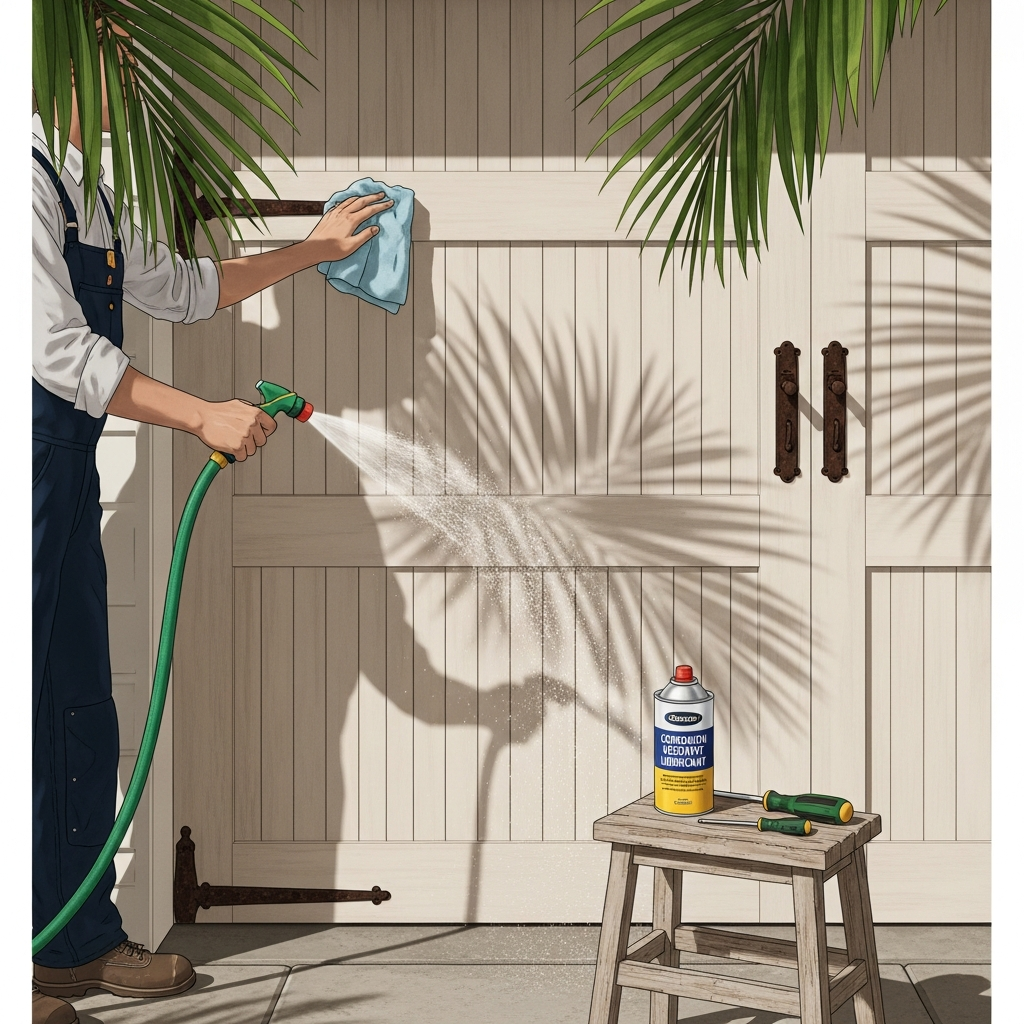
Cleaning is a simple and effective maintenance task. Rinse the exterior of the door periodically with fresh water to remove salt deposits and airborne grit. Avoid harsh abrasives; use mild detergents and soft cloths or brushes where needed. Rinsing tracks and hardware can prevent salt buildup that encourages corrosion. After cleaning, dry exposed components and apply appropriate protective products to metal parts where recommended by the manufacturer.
Lubrication and Moving Parts
Proper lubrication reduces friction and prevents premature wear. Use manufacturer-recommended lubricants for springs, rollers, hinges, and bearings. For coastal settings, choose lubricants that provide corrosion resistance and protect against moisture. Avoid over-lubrication of tracks where excess lubricant can attract grit, and wipe away any residue that could interfere with sensor function or sealing surfaces.
Fasteners and Hardware Tightening
Vibration from regular operation can loosen bolts and fasteners. Periodically check and tighten hardware, paying special attention to anchor bolts, hinge screws, and brackets. Use corrosion-resistant replacement fasteners where necessary. Loose hardware can lead to misalignment, binding, and accelerated wear on moving parts, so addressing these items proactively helps maintain smooth operation.
Rollers, Tracks, and Alignment
Inspect rollers and tracks for wear, rust, or accumulation of debris that can hinder movement. Replace rollers that show significant wear or rust; consider upgrading to rollers with sealed bearings or nylon wheels for quieter and more resilient operation in coastal environments. Ensure tracks are aligned and free from dents or bends. Proper track alignment prevents binding and reduces strain on springs and the opener.
Springs and Cable Care
Torsion and extension springs are under extreme tension and pose safety risks if they fail. While homeowners can visually inspect springs for corrosion or damage, any adjustment, replacement, or tensioning should be performed by trained professionals. In coastal areas, springs should be inspected more frequently and replaced at the first sign of significant corrosion to avoid unexpected failures and the safety hazards they present.
Opener Maintenance and Electrical Components
Opener units and electrical components can be affected by humidity and salt. Ensure the opener’s housing remains sealed and free from moisture intrusion. Check sensors for alignment and cleanliness, and test safety reversals monthly. If your opener has a battery backup, confirm that batteries are in good condition. For units exposed to high humidity, periodic checks by a professional can confirm that electrical connections remain corrosion-free and safe.
Seals and Weatherstripping
Seals and weatherstripping protect your garage from drafts, moisture, and pests. In coastal climates, seals can degrade faster due to salt crystals and UV exposure. Inspect bottom gaskets, jamb seals, and head seals for cracks or brittleness and replace them when they lose elasticity. Proper sealing also reduces moisture entry that can contribute to interior humidity and corrosion of stored items.
Paints, Finishes, and Protective Coatings
Paint and protective coatings act as an important barrier against corrosion. Refinish or touch up scratched or worn areas to prevent rust from developing. Use coatings specifically formulated for exterior and coastal use when refinishing metal doors. Wood doors may require more frequent staining or sealing to resist swelling and rot in humid conditions.
Seasonal and Storm Preparation
Before storm season, verify that your door and its hardware are in top condition. Check anchor points, reinforcement brackets, and fasteners. Ensure batteries in remote controls and battery-backed openers are charged and that manual release mechanisms function properly. If you live in an area with heightened hurricane risk, confirm that your door meets local wind-load requirements and that any storm preparations or shutters are planned in coordination with your door’s design.
When to Seek Professional Service
Call a professional for spring or cable issues, persistent corrosion, misalignment that affects operation, or if safety sensors are unreliable. Trained technicians have the tools and expertise to handle high-tension components, perform accurate adjustments, and recommend corrosion-mitigation strategies. Professionals can also evaluate whether specific components should be replaced with stainless steel or corrosion-resistant alternatives.
Replacement Considerations After Maintenance Finds Problems
Regular maintenance may reveal parts that are nearing the end of their service life due to corrosion or wear. In cases where multiple components are compromised, or when panels and hardware are extensively degraded by salt exposure, replacement may be the practical solution. Modern doors built with coastal-appropriate materials and finishes can reduce maintenance frequency and increase reliability. For homeowners contemplating an upgrade that reduces future maintenance demands, consult with installers who specialize in coastal garage door replacement options and can suggest resilient materials and protective hardware.
Documenting Maintenance for Longevity and Warranty
Keep a log of maintenance activities. Document dates of lubrication, inspections, part replacements, and any professional visits. This record helps with troubleshooting, supports warranty claims, and can be valuable for future buyers who want to understand the care taken for the garage door system. Maintenance documentation demonstrates responsible ownership and provides a clear history of care for the assembly.
FAQ
Q: How often should I inspect my garage door in a coastal environment?
A: A monthly visual inspection combined with a professional check every six months to a year is a good practice. Increase frequency if you notice accelerated corrosion or after severe storms.
Q: Can I perform all maintenance myself?
A: Homeowners can handle cleaning, basic lubrication, and visual inspections. However, work on springs, cables, and high-tension components should be left to professionals due to safety risks. Professionals can also recommend corrosion-resistant upgrades when needed.
Q: Are there specific materials that last longer near salt water?
A: Stainless steel fasteners, galvanized or coated springs, and composite or aluminum panels with protective finishes generally fare better in coastal conditions. Your installer can recommend the best options for your situation.
Q: How can I protect the finish of my door from salt spray?
A: Regular rinsing with fresh water, prompt touch-up of paint chips, and the application of coastal-grade protective coatings as recommended by manufacturers help preserve finishes. Avoid harsh chemicals that could damage protective films.
Closing Advice
Regular, intentional maintenance is the most effective strategy for preserving a garage door in Palm Beach’s coastal climate. Addressing corrosion early, using appropriate lubricants, choosing corrosion-resistant components, and scheduling professional inspections will keep your door operating safely and reduce the likelihood of unexpected failures. If maintenance reveals extensive deterioration or frequent failures, consider upgrading to a system designed for coastal resilience. For a tailored assessment of replacement options built to withstand salt air and humidity, contact specialists who focus on local needs and can recommend surfacing, hardware, and materials to minimize long-term maintenance and maximize reliability.
When you are ready to explore options designed for coastal durability and code compliance, consult with local professionals who can guide you through a full evaluation and recommend replacements that meet the demands of Palm Beach’s environment. A well-chosen, properly maintained door protects your property and provides peace of mind for seasons to come.