
Introduction
In Fort Lauderdale, your garage door does more than seal the house—it acts as a daily entrance, a weather barrier, and a key piece of curb appeal. Because our humid, salty, and storm-prone environment accelerates wear, homeowners benefit from a clear, step-by-step approach to care and fixes. This comprehensive guide walks you through safety, diagnosis, and prevention so you can extend the life of your system and avoid disruptive breakdowns. For issues beyond basic maintenance, reach out for expert garage door repair to keep your door moving safely and reliably.
Use this resource as a practical playbook: you will learn what to check first, which problems require a pro, and how to set up a maintenance rhythm that suits our coastal climate. Keep notes, watch for patterns, and act promptly when symptoms emerge.
How to Diagnose Garage Door Problems
- Start with a visual scan. Look for frayed cables, rusted springs, bent tracks, loose hinge screws, and cracked panels.
- Test balance with the opener disengaged. A balanced door should stay at mid-height without drifting.
- Observe the opening and closing cycle. Listen for grinding, squealing, or rattling, and watch for jerky motion or tilting.
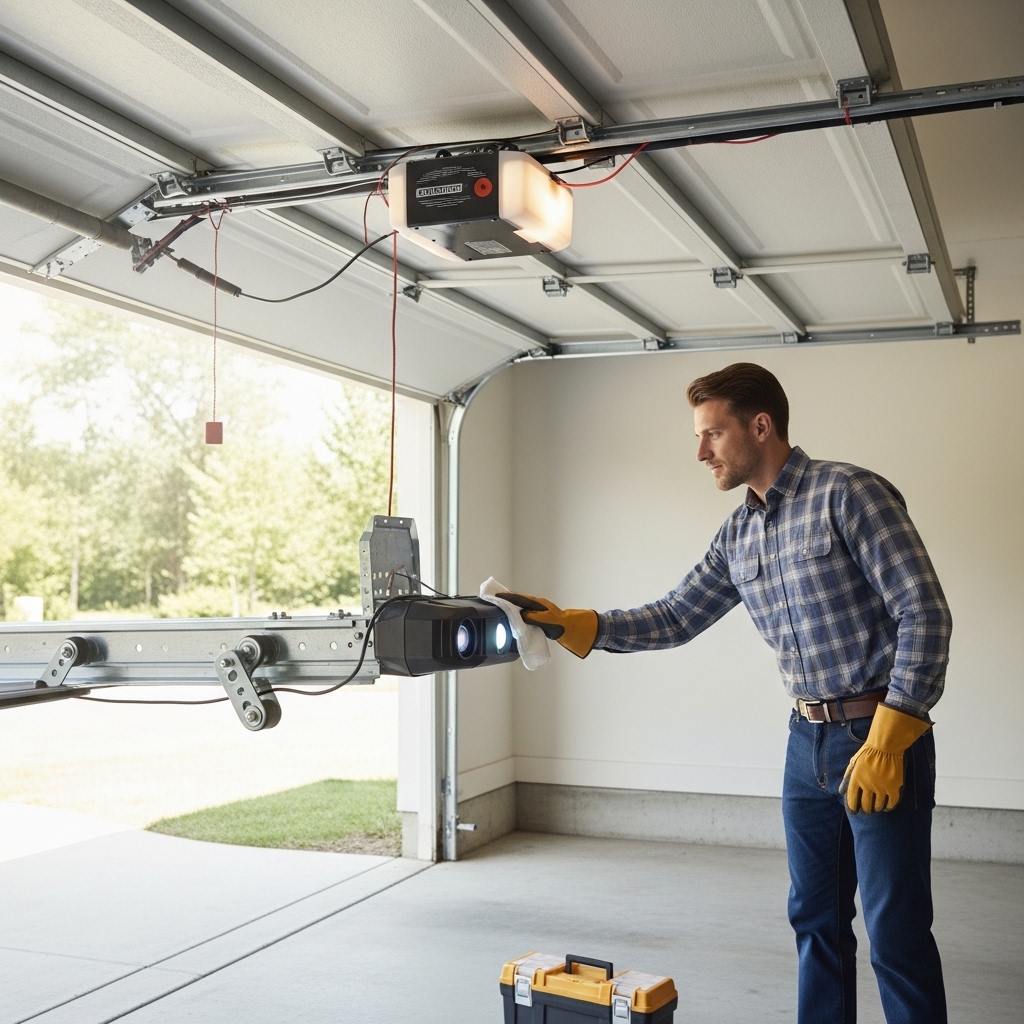
- Check the photo eyes. Make sure they are aligned, free of dust, and mounted securely at the same height.
- Evaluate the opener. Review limit and force settings, belt or chain tension, and the condition of the mounting hardware.
- Assess weatherstripping. Gaps, tears, or brittleness let in moisture and pests and raise energy use.
Safety Essentials for Every Homeowner
- Know your emergency release. Practice safely lifting the door manually to prepare for outages.
- Avoid spring and cable work. These parts store significant energy and require specialized tools.
- Use stable ladders and proper lighting. Many mishaps occur during rushed checks.
- Unplug the opener before working near the drive or logic board.
- Keep children and pets away from the work area during tests and adjustments.
Common Root Causes and Their Fixes
Many symptoms share a small set of culprits. Track contamination causes binding, worn rollers increase friction and noise, sensor misalignment triggers reversals, and unbalanced doors strain the opener. Matching the symptom to the likely root cause speeds resolution and prevents unnecessary part swaps.
- Noisy operation: Often mitigated by lubrication, nylon roller upgrades, and tighter hardware.
- Door reverses: Clean and align photo eyes; if the issue persists, evaluate balance and opener force settings.
- Slow movement: Check for binding in tracks, worn rollers, and improper opener limits.
- Uneven travel: Inspect cables on both sides and ensure tracks are straight and square.
- Vibration: Verify that the opener is isolated from the ceiling joists and that the header bracket is secure.
Preventive Maintenance Schedule for Fort Lauderdale
- Monthly: Observe a full open/close cycle and listen for changes. Wipe photo eyes and clear debris from tracks.
- Quarterly: Lubricate rollers, hinges, and springs with a silicone-based product. Tighten accessible fasteners.
- Biannually: Test balance, examine cables for fraying, and inspect weatherstripping for UV damage.
- Pre-storm season: Confirm reinforcement, check track fasteners, and verify manual release operation.
Handling Salt Air, Heat, and Storms
In our coastal zone, moisture and salt accelerate corrosion. Rinse exposed metal gently, maintain a protective lubrication film, and schedule checks for rust-prone components like springs and hinges. Heat can dry out lubricants and age belts, so keep an eye on opener drives as summer sets in. Before storm season, tighten fasteners, check for panel issues, and store a backup battery if your opener supports one.
DIY Tasks vs. Professional Service
Homeowners can handle cleaning, lubrication, visual inspections, and sensor alignment. Professionals should take the lead on spring and cable replacements, track realignment after impact, complex opener repairs, and structural panel fixes. When in doubt, choose safety and call a trained technician.
Mid-Guide Checkpoint: Are You Seeing Progress?
After you complete the initial inspection and maintenance steps, reassess the symptoms. If noise has dropped, movement is smoother, and the door holds position during the balance test, you are on the right track. If problems persist or new ones emerge, it is time to schedule reliable garage door repair so a qualified technician can diagnose and resolve underlying issues.
Upgrades That Boost Reliability
- Nylon rollers: Reduce friction and noise for smoother operation.
- Belt-drive opener: Quieter performance compared to chain drives.
- Reinforcement struts: Better panel integrity under wind load.
- High-cycle springs: Improved longevity for doors used as a main entrance.
- Weatherstripping and thresholds: Enhanced sealing against heat, humidity, and insects.
After-Repair Care
Monitor the door for a week after service. Minor adjustments may settle, especially with new springs or rebalanced setups. Keep a simple log with the service date, replaced parts, and the technician’s recommendations. Set reminders for the next maintenance cycle so you can stay ahead of wear.
Frequently Asked Questions
Q: Why is my door uneven? A: Uneven movement often points to cable issues, track misalignment, or roller wear. Address these quickly to protect the opener.
Q: How do I know if my springs are failing? A: Listen for a loud snap, watch for a heavy door that won’t stay mid-way, or note an opener that struggles. Stop using the door and call a professional.
Q: What can I do about salt-induced rust? A: Rinse exposed metal and maintain lubrication. Consider upgraded hardware that resists corrosion.
Q: My door reverses randomly—what now? A: Clean and align the sensors. If reversals continue, test balance and evaluate opener force and limit settings.
Q: How do I prepare for storm season? A: Verify reinforcement, tighten fasteners, confirm a working manual release, and inspect panels and tracks.
Q: Is a battery backup worth it? A: If outages are common or you rely on the door as a primary entrance, a backup can be invaluable.
Q: Should I replace both springs? A: Replacing springs as a pair helps maintain balance and consistent performance over time.
Q: Can squeaks be ignored? A: Persistent noise often signals friction or looseness. Address it early to avoid accelerated wear.
Q: What records should I keep? A: Save service notes, part types, and maintenance dates to streamline future visits.
Q: How often should professionals inspect the system? A: At least annually, with additional checks before and after storm season for coastal homes.
Take the Next Step
If your Fort Lauderdale garage door is struggling, don’t wait for a complete breakdown. Build a maintenance routine, act on early warning signs, and call in experts when safety or complex adjustments are involved. For dependable results and long-term reliability, book professional garage door repair and enjoy a smooth, quiet door you can trust every day.