
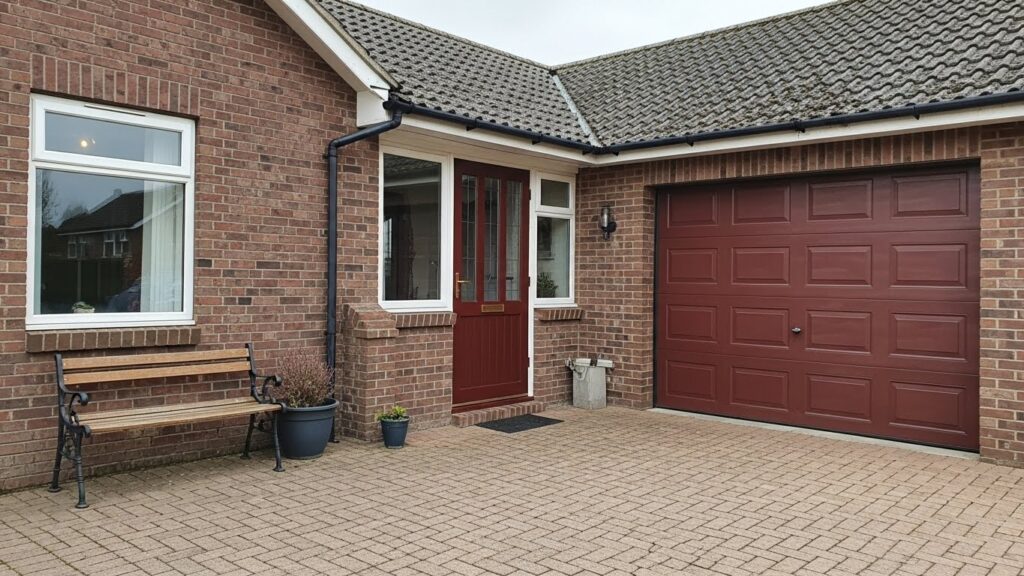
In Palm Beach County, a dependable garage door protects your home, streamlines your daily routine, and safeguards valuable belongings from heat, humidity, and storms. This comprehensive guide explains how to understand your door’s components, assess its condition, maintain moving parts, improve safety, and decide when to call in a professional. Early attention to small symptoms prevents inconvenient breakdowns and keeps your door operating smoothly year-round. If you are seeking a trusted local partner for routine care or expert repairs, consider scheduling professional garage door service before minor issues escalate into larger problems.
Throughout this guide, you will learn how each part of your garage door system works together and how Palm Beach County’s unique climate shapes maintenance priorities. You will also find step-by-step instructions for basic inspection, safety tips for do-it-yourself upkeep, and checklists to help you track tasks. By the end, you will know the difference between quick homeowner-friendly fixes and issues that require trained technicians with the right tools and safety protocols.
Whether you live along the coast with heavy salt exposure or inland with intense summer heat, your garage door’s resilience depends on thoughtful maintenance and timely service. The information below is designed to help you make confident decisions, protect your investment, and extend the lifespan of your door, opener, and hardware.
Know Your Garage Door System
Every residential garage door relies on a carefully balanced system of components. When one part begins to wear, the rest experience additional stress. Understanding each component’s purpose will help you identify early warning signs and prevent premature failure.
- Door panels: The sections that form the visible door. Materials include steel, aluminum, wood, and composite. Panels can dent, warp, or separate, especially in humid or storm-prone environments.
- Tracks: Metal channels mounted to the sides and ceiling that guide the rollers. Misalignment or bends cause grinding, binding, or noisy operation.
- Rollers: Small wheels that ride in the tracks. Worn or dirty rollers create vibration, squeaks, and uneven movement.
- Hinges and brackets: Connect door sections and anchor hardware. Loose fasteners are a common source of rattling, sagging sections, and safety hazards.
- Springs: Torsion or extension springs counterbalance the door’s weight. Springs store extreme tension and should only be adjusted by trained professionals.
- Cables and drums: Lift cables wind onto drums to raise and lower the door. Frayed cables or rusted drums are early signs of potential failure.
- Opener: The motorized unit that powers the door’s movement. It includes a drive system, limit settings, force settings, and safety reversal features.
- Safety sensors: Photo eyes near the floor that detect obstructions. Misaligned sensors are a frequent cause of doors that refuse to close.
- Weather seals: Bottom, side, and top seals that block drafts, moisture, and pests. In South Florida, seals also help keep air-conditioned spaces efficient.
When any of these parts deteriorate, the entire system works harder. For instance, worn rollers or misaligned tracks can cause the opener to strain. Weak springs can make even a strong opener feel underpowered. By paying attention to balance, noise, speed, and consistency, you can catch issues early.
Visual Inspection: What to Look For
A monthly visual inspection takes only a few minutes and can save time and frustration later. Stand inside the garage with the door closed and examine the door from the bottom seal to the ceiling-mounted opener.
- Look for gaps along the floor and sides when the door is closed. Gaps can indicate worn seals, warped panels, or improper alignment.
- Check rollers for chips, cracks, or excessive wobble. Nylon rollers run quieter than metal ones and require less lubrication, but both types wear out over time.
- Examine tracks for dents, bends, rust, or loose mounting brackets. Tracks should be plumb, level (where required), and firmly secured.
- Inspect hinges for loose screws, metal fatigue, and misaligned sections. Tighten hardware that has backed out.
- Evaluate lift cables for fraying or rust. Do not touch cables under tension. If you see damage, call a professional.
- Observe the torsion spring or extension springs. If you see gaps in coils, corrosion, or broken pieces, do not operate the door.
- Check the bottom seal and perimeter weatherstripping for tears, brittleness, and missing sections.
- Verify the photo eye sensors are clean and aligned. The LED indicator on each sensor typically shows alignment status.
After a visual review, test the door’s balance by disconnecting the opener (usually via a manual release cord) and lifting the door halfway. If the door stays put, the springs are likely balanced; if it drops or shoots up, spring tension is off and requires professional adjustment.
Lubrication and Cleaning Basics
Friction is the enemy of smooth operation. In Palm Beach County, beachside salt and inland dust make routine cleaning even more important. Use a manufacturer-recommended garage door lubricant on moving parts and mild soap and water on surfaces.
- Lubricate rollers (bearings only), hinges (pivot points), and torsion spring coils. Wipe away excess to avoid attracting grime.
- Do not lubricate plastic garage door opener rails if the manufacturer specifies dry operation. If lubrication is appropriate, use a light application.
- Clean tracks with a dry cloth or vacuum to remove debris. Avoid adding grease to the tracks; it can attract dust and create buildup.
- Wash door panels to remove salt, sand, and pollutants. Rinse thoroughly and dry to reduce corrosion and staining.
- Wipe photo eyes with a clean microfiber cloth to keep safety sensors working reliably.
Plan a brief maintenance session at the start of each season. This schedule aligns well with South Florida’s weather cycles and ensures you do not overlook routine care during hurricane season or the hottest summer months.
Safety First: What Homeowners Should Not Do
Some jobs are not worth the risk. Springs, cables, and opener force settings can cause injury if handled improperly. When in doubt, stop and seek professional guidance.
- Avoid adjusting torsion springs or removing lift cables. These parts hold significant energy.
- Do not override safety sensors or disable the auto-reverse feature. These systems prevent accidents.
- Do not stand under a moving door or attempt to catch a falling door. If the door seems unstable, leave it closed and call a professional.
- Avoid makeshift repairs with the wrong hardware. Using mismatched bolts or brackets can create new hazards.
Following these guidelines protects you and your family. The safest approach is to limit DIY work to cleaning, lubrication, tightening easily accessible hardware, and testing safety features as described in your opener’s manual.
Adapting to Palm Beach County’s Climate
South Florida’s climate is defined by heat, humidity, salty ocean air, and a pronounced storm season. Each factor influences materials and maintenance schedules in different ways.
- Heat and humidity: High temperatures cause metal expansion and can weaken finishes over time. Humidity encourages rust. Regular cleaning and attention to corrosion-resistant hardware can help.
- Salt exposure: Coastal homes must wash door panels and hardware more frequently to remove salt residue that accelerates corrosion.
- Heavy rain and wind: Robust weather seals keep water, sand, and debris from blowing into the garage. Inspect seals before storm season and replace as needed.
- Sun exposure: UV rays can fade finishes and cause warping in some materials. Consider paint or protective coatings as recommended by your door manufacturer.
Because storms can roll in quickly, it is smart to keep a brief emergency checklist that prioritizes securing the door, clearing the area near tracks, and verifying that the opener’s manual release is functioning in case of power outages.
Step-by-Step Service Guide for Homeowners
This routine takes about 30–45 minutes and helps keep your door performing reliably. If you encounter resistance, unusual noises, or visible damage, pause and schedule a professional visit.
- Preparation: Gather a ladder, flashlight, socket set, microfiber cloths, and approved lubricant. Confirm your opener’s manual is available.
- Safety check: Ensure the area is clear of children and pets. Do not stand on the top rung of a ladder, and use eye protection if working near springs.
- Panel condition: Examine both sides of the door for dents, cracks, water damage, or separation between sections.
- Hardware: Tighten loose hinge screws and track brackets. If bolts spin without tightening, the hole may be stripped—note this for a professional.
- Rollers and hinges: Spin rollers by hand to feel for grinding. Lubricate pivot points lightly.
- Tracks: Wipe away debris and verify alignment by observing the roller-to-track spacing during movement.
- Weather seals: Inspect for tears, stiff spots, and gaps. Replace damaged sections to maintain energy efficiency and pest resistance.
- Sensors: Clean lenses and confirm alignment. Test by closing the door and waving a small object through the beam; the door should reverse.
- Balance: Disconnect the opener and lift the door halfway. If balance is off, stop and book a professional spring adjustment.
- Operate: Reconnect the opener and cycle the door several times. Listen for new noises and watch for jerky movement or binding.
Record the date and any observations. A simple notebook or digital log helps you track patterns and provides useful information to technicians during a service visit.
Upgrades That Improve Performance
Upgrades can enhance reliability, safety, and comfort, especially in Palm Beach County’s demanding climate. Weather-resistant rollers, reinforced tracks, and advanced openers are common improvements that extend door life and reduce noise.
- High-cycle springs for frequently used doors
- Nylon rollers with sealed bearings for smoother, quieter operation
- Heavy-duty hinges and brackets for wider or heavier doors
- Enhanced weather seals and threshold kits to keep out wind-driven rain
- Modern openers with battery backup and smart features for power outage resilience
Discuss these options during your next maintenance appointment to prioritize the upgrades that deliver the greatest benefit for your home and usage patterns.
When to Call a Professional
Professional technicians bring specialized training, calibrated tools, and practical experience diagnosing subtle issues. You should schedule service if you notice any of the following:
- Loud, sudden bangs from the torsion area (possible spring failure)
- Door that is crooked, jammed in the track, or hangs unevenly
- Frayed or loose cables near the drums or bottom brackets
- Opener motor straining, burning smells, or repeating error codes
- Persistent reversing despite clean, aligned sensors
- Excessive vibration or grinding that continues after lubrication
In many cases, timely professional care prevents additional component wear and protects your opener from overwork. Midway through the year—especially before peak storm activity—is an excellent time to book routine garage door service so that cables, springs, and seals are ready for the season ahead.
Common Questions from Palm Beach County Homeowners
Question: How often should I schedule a professional maintenance visit? Answer: Most homes benefit from an annual tune-up. High-use doors or coastal properties may need biannual visits due to salt exposure and humidity.
Question: Why does my door squeak even after lubrication? Answer: Squeaks may come from worn rollers, loose hinges, or misaligned tracks. If squeaks persist, a technician can pinpoint the problem and recommend replacements.
Question: What should I do if the door will not close and the opener flashes? Answer: Clean and realign the photo eyes. If the door still refuses to close, check for obstructions or lightly bent track sections. Persistent issues warrant professional diagnosis.
Question: Can I replace a broken spring myself? Answer: No. Springs store high energy and require proper tools and training. Always hire a professional for spring and cable work.
Question: How can I protect my door during hurricane season? Answer: Confirm that your door meets local wind-load requirements, verify reinforcement hardware, and ensure all fasteners are tight. Keep the area around the tracks free of stored items and inspect weather seals.
Question: Is a noisy opener a sign it needs replacement? Answer: Not always. Noise can come from the door hardware. A technician can separate door-related noise from opener issues and advise whether a simple tune-up or an upgrade makes sense.
Question: Do smart openers help in South Florida? Answer: Yes. Smart openers enable remote monitoring, alerts, and scheduling. Battery backup adds resilience during power outages, which are more common during storms.
Question: How long do rollers last? Answer: Lifespan varies by material and usage. Nylon rollers with sealed bearings typically outlast standard rollers and run quieter, making them a good upgrade in many homes.
Question: Why is my door leaving marks on the floor? Answer: Worn or misaligned bottom seals can leave residue and allow moisture intrusion. Replacing the seal helps cleanliness and energy efficiency.
Question: What maintenance should I avoid? Answer: Avoid adjusting springs, cables, and opener force settings. Stick to cleaning, lubrication, tightening accessible hardware, and testing safety sensors.
Creating a Long-Term Maintenance Routine
Consistency is the secret to long equipment life. Set reminders on your calendar for monthly inspections and seasonal cleanings. Keep a small maintenance kit in the garage with approved lubricant, a cloth for sensors, spare weather seal segments, and a socket set. Log any new noises, changes in speed, or unusual vibration. This log will help you and your technician make data-driven decisions.
Make it a habit to look at the door briefly when you return home. If the door starts to close unevenly or seems slower, investigate promptly. Most issues are simpler and less time-consuming when addressed early.
Final Thoughts for Palm Beach County Homes
Your garage door is a hardworking system that deserves attention equal to other major home components. With regular inspections, careful cleaning, and timely professional help, you can keep your door safe, quiet, and reliable despite the rigors of South Florida’s climate. When you stay proactive, you reduce unexpected disruptions and extend the life of your investment.
Ready to Improve Your Door’s Performance?
If you are ready to schedule a tune-up, inspection, or repair, take the next step with a trusted local team. For convenience and peace of mind, book professional garage door service and give your Palm Beach County home the smooth, safe operation it deserves.