
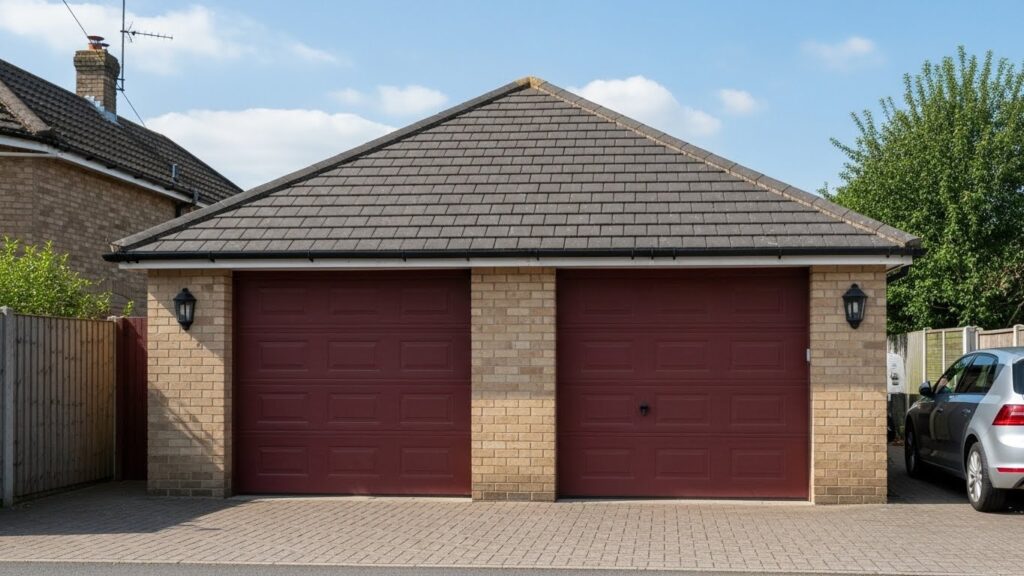
A thorough checklist is the simplest way to keep your garage door safe, quiet, and reliable in Palm Beach County’s coastal climate. The salt air, humidity, and seasonal storms place unique demands on hardware, finishes, and electronics. Use this comprehensive, step-by-step list to guide your routine care, document your work, and know when to call in a pro. If you prefer to outsource all or part of the routine, consider scheduling a trusted garage door service so your system is tuned before the next storm season.
This checklist is organized by frequency and task type. Work methodically, and never attempt spring adjustments without proper training. Many items are quick visual checks that prevent costly failures later. Keep basic tools on hand, and create a maintenance log to record dates and observations.
Monthly Quick-Check
- Cycle the door and listen: Identify new noises, jerks, or pauses.
- Look for daylight: Close the door and scan for gaps along sides and bottom.
- Sensor check: Make sure photo-eyes are aligned and clean.
- Opener lights and warnings: Note any blinking codes or unusual behavior.
- Surface scan: Look for rust spots, chipped paint, or blistering finish.
Quarterly Service Tasks
- Clean tracks with mild detergent; do not grease the track surface.
- Lubricate hinge pivots, roller bearings, and spring coils with a door-rated product.
- Tighten hinge screws, bracket bolts, and opener mounting hardware.
- Inspect rollers for wobble or cracked tires; replace as needed.
- Test auto-reverse with a flat piece of wood; confirm reversal on contact.
- Block the photo-eye beam; verify the door will not close.
- Check bottom, side, and top seals; replace if brittle or deformed.
- Rinse exterior panels with fresh water to remove salt residue.
Before Storm Season
- Inspect wind-load reinforcement and struts; tighten all fasteners.
- Examine cables near bottom brackets for rust and fraying.
- Confirm opener battery backup functionality by unplugging the opener and cycling the door.
- Test surge protection; replace if it has tripped or shows wear.
- Replace compromised weather seals to block wind-driven rain.
After Major Storms
- Recheck track alignment and bracket tightness.
- Look for panel distortion or misalignment.
- Dry and clean any areas with water intrusion.
- Touch up paint or protective coatings on steel components.
- Document all findings with photos and notes.
Annual Deep-Dive
- Balance test with opener disengaged; door should stay at mid-heights.
- Verify opener force and travel limits per manufacturer instructions.
- Inspect torsion or extension springs visually; do not adjust without training.
- Replace any rollers or hinges showing excessive play.
- Evaluate insulation and energy efficiency; upgrade seals if needed.
Detailed Component Checklist
- Panels and Finish: Look for dents, delamination, and rust; clean and touch up.
- Hinges: Verify straightness and tight pins; replace cracked leaves.
- Rollers: Spin by hand; noisy or gritty bearings need replacement.
- Tracks: Confirm plumb alignment and unobstructed path.
- Springs: Inspect coils for gaps or corrosion; leave adjustments to a pro.
- Cables and Drums: Note frayed strands, rust, or uneven winding.
- Opener and Rail: Tighten brackets, verify belt or chain tension as specified.
- Sensors: Align, clean lenses, and secure wiring.
- Seals and Thresholds: Ensure even contact and no daylight.
- Reinforcement: Check struts and plates at the top panel and operator attachment.
Documentation Tips
Keep a maintenance log with dates, tasks completed, parts replaced, and photos of notable wear. This record helps identify patterns like recurring sensor misalignment or progressive rust, and it supports insurance or real estate disclosures.
Signs You Need a Pro
- The door fails the balance test.
- You see frayed cables, cracked torsion springs, or bent tracks.
- Panels are out of square, creating a racked or uneven gap.
- Opener requires frequent force increases to operate.
- Noise persists after lubrication and hardware tightening.
Mid-Checklist Reminder
If repeated checks still reveal binding, scraping, or erratic safety reversals, schedule professional garage door service. Subtle alignment issues can accelerate wear on rollers, hinges, and the opener drive system.
Efficiency and Noise-Reduction Ideas
- Upgrade to nylon or sealed-bearing rollers for smoother motion.
- Consider a belt-drive opener for reduced vibration.
- Use proper lubricants sparingly to avoid attracting dust.
- Add sound-dampening pads under opener mounting brackets.
- Maintain consistent track cleanliness to prevent roller skid.
Coastal Considerations for Palm Beach County
Salt air accelerates corrosion, especially on unprotected steel. Rinse exterior panels and exposed metal hardware with fresh water periodically. Inspect reinforcement struts and the operator attachment plate for rust or pitting. Touch up paint and replace compromised screws with corrosion-resistant alternatives when practical. Pay attention to weather seals, which can harden in sun and humidity; refresh them before they fail so you maintain a tight perimeter.
Garage Door Service Day Playbook
- Preparation: Clear vehicles and items near the tracks; set out tools and lubricant.
- Initial Run: Operate the door once to observe motion and noise.
- Power Down: Unplug opener before hands-on work near moving parts.
- Hardware Round: Tighten loose bolts and screws; inspect for cracks or elongation.
- Track and Roller Care: Clean tracks, inspect rollers, and replace worn parts.
- Lubrication: Apply targeted lubricant to pivots and bearings; wipe excess.
- Safety Check: Reconnect power; test auto-reverse and sensor beam.
- Seal and Surface: Replace worn seals; rinse and touch up exterior surfaces.
- Final Test: Run multiple cycles and listen for improvement.
- Log It: Record what you did and what may need attention later.
Frequently Asked Questions
Q: How often should I run through this checklist?
A: Do the monthly items regularly, run the quarterly section seasonally, and complete the annual deep-dive once a year. Add an extra review after major storms.
Q: What lubricant is best for hinges and rollers?
A: Use a garage-door-rated spray or synthetic lubricant designed for bearings. Avoid thick grease inside tracks.
Q: Can I replace the bottom seal myself?
A: Yes. Measure carefully, remove the old seal, clean the retainer, and slide in the new one. Trim to fit and ensure even contact with the floor.
Q: My door still drags even after cleaning—what now?
A: Check for track misalignment, bent sections, or rollers with failed bearings. If issues persist, call a professional to evaluate balance and hardware.
Q: Do I need to reprogram my opener after a power outage?
A: Typically no, but you may need to reset the time or reconnect Wi‑Fi accessories. Confirm travel limits and force settings if the door behaves differently afterward.
Stay Ahead of Repairs
A disciplined checklist transforms maintenance from a chore into a quick routine. It protects your door from coastal wear, ensures safety features function correctly, and preserves smooth operation. When you prefer an expert set of eyes, schedule trusted garage door service so your system is inspected, tuned, and ready for everyday use.