Introduction: A Homeowner’s Guide to Reliable Garage Door Care
Your garage door is one of the hardest-working systems in your home. It protects vehicles and storage, serves as a primary entry point, and influences curb appeal. In Palm Beach County, homeowners face extra challenges—salt air, humidity, intense sunshine, and seasonal storms—that can shorten the lifespan of unmaintained doors. This guide explains the essentials of care, troubleshooting, and upgrades so you can keep your system safe and quiet. If you prefer expert help at any stage, schedule a convenient garage door service and let trained technicians handle the details.
Understanding Your Garage Door System
A typical setup includes door panels, hinges, rollers, tracks, springs, cables, and an opener with safety sensors. Each component must work in harmony for smooth operation. Springs counterbalance the door’s weight, cables transfer force, rollers guide movement, and the opener provides controlled power. In a coastal environment, material choice and corrosion protection are especially important.
Routine Care for Coastal Conditions
Consistent, light maintenance prevents many problems and preserves safety:
- Monthly: Wipe photo eyes, test safety reverse, and listen for new noises.
- Quarterly: Lubricate rollers and hinges with silicone or lithium-based products; tighten accessible fasteners; wash door panels and apply protective wax if appropriate.
- Seasonal: Inspect bottom seal and weatherstripping; clean tracks to remove sand; verify balance with the opener disconnected.
Storm Readiness in Palm Beach County
Before hurricane season, confirm that reinforcement struts, track anchors, and fasteners are secure. Check documentation for wind-load ratings, and ensure the door closes and seals properly. After storms, inspect for debris in tracks, water intrusion, and misalignment.
Common Problems and Quick Fixes
Homeowners encounter a few frequent issues:
- Door Reverses Before Closing: Clean and align photo eyes; remove obstructions; check travel limits.
- Noisy Operation: Clean and lubricate rollers and hinges; retighten accessible hardware; evaluate roller condition.
- Remote or Keypad Failures: Replace batteries, verify antenna position, and reprogram per the manual.
- Drafts or Pests: Replace worn bottom seals and adjust weatherstripping.
When DIY Stops and a Pro Should Step In
Spring replacement, cable repairs, structural track adjustments, and opener motor issues require specialized tools and training. If the door is out of balance, tilts, or shakes during travel, stop using it and call a technician. Early intervention prevents major failures and keeps the system safe.
Choosing the Right Upgrades
Upgrades can improve performance and comfort:
- Nylon Rollers: Quieter operation and better corrosion resistance than basic steel rollers.
- Insulated Door Panels: Improved energy efficiency and quieter operation.
- Smart Openers: App control, alerts, and integration with home security systems.
- Enhanced Weather Seals: Better protection against humidity, pests, and wind-driven rain.
Appearance and Curb Appeal
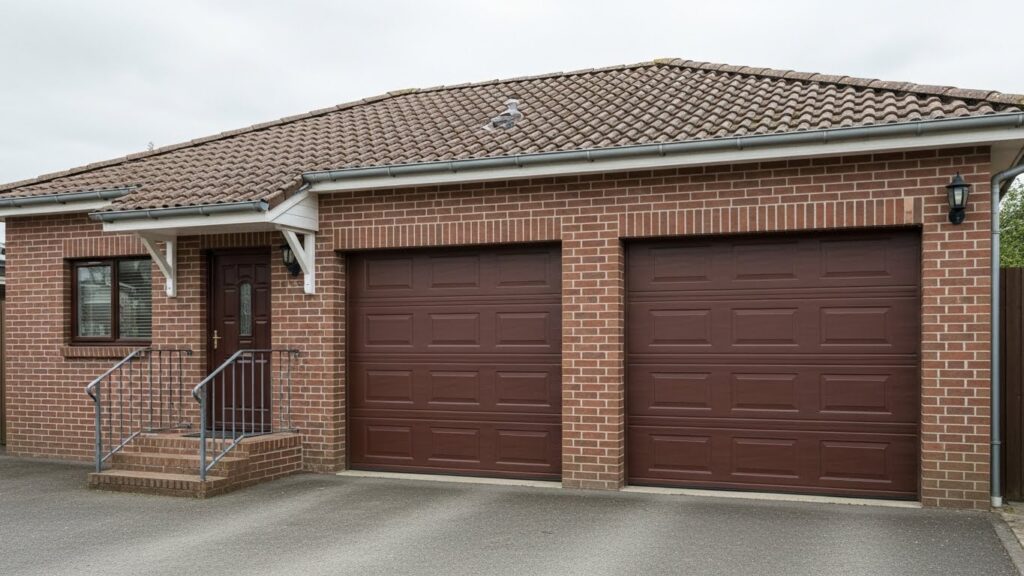
Garage doors occupy a large portion of your home’s facade. Clean panels, crisp paint or factory finishes, and tasteful window inserts elevate curb appeal. In sunny climates, choose finishes designed to resist UV fading and chalking. Regular washing removes salt residue that can dull surfaces.
Budgeting Time, Not Just Money
Instead of waiting for a breakdown, plan time for maintenance tasks. A simple monthly check—operate the door, test sensors, and listen—can catch issues early. Quarterly lubrication and seasonal seal checks keep performance smooth and quiet. Keep a small log to track what you do and what needs attention next.
Working with Professionals
A trusted technician brings expertise, safety, and efficiency. They can evaluate spring life, cable wear, opener calibration, and wind-load compliance. For homeowners near the coast, technicians also focus on corrosion-prone areas and recommend protective upgrades. To keep everything synchronized, consider scheduling a midyear garage door service to verify balance, fine-tune the opener, and confirm storm readiness.
FAQ: Homeowner Questions in Palm Beach County
Q: How often should I lubricate moving parts?
A: In coastal environments, every three months is a good baseline, with touch-ups after heavy use or storms.
Q: Can I fix a crooked door myself?
A: A leaning or uneven door may indicate cable or spring issues—call a pro to avoid injury.
Q: What can I do about rust?
A: Clean gently, remove light surface rust with a non-abrasive pad, and protect with wax or finishes. Replace heavily corroded parts.
Q: Do I need a wind-rated door?
A: Many areas of Palm Beach County require wind-load rated doors. Check local codes or consult a technician.
Q: Why does my door make a banging sound?
A: It could be a spring issue, loose hardware, or panel movement. Stop using the door and have it inspected.
Q: How do I keep my opener safe for kids and pets?
A: Test photo eyes monthly, keep remotes out of reach, and never let children play under a moving door.
Ready for Reliable, Quiet Operation?
Keep your Palm Beach County home safe and convenient with timely care and expert support. If you’re ready for a thorough tune-up or need help solving a specific issue, book a professional garage door service today and enjoy smoother operation, safer performance, and lasting peace of mind.