
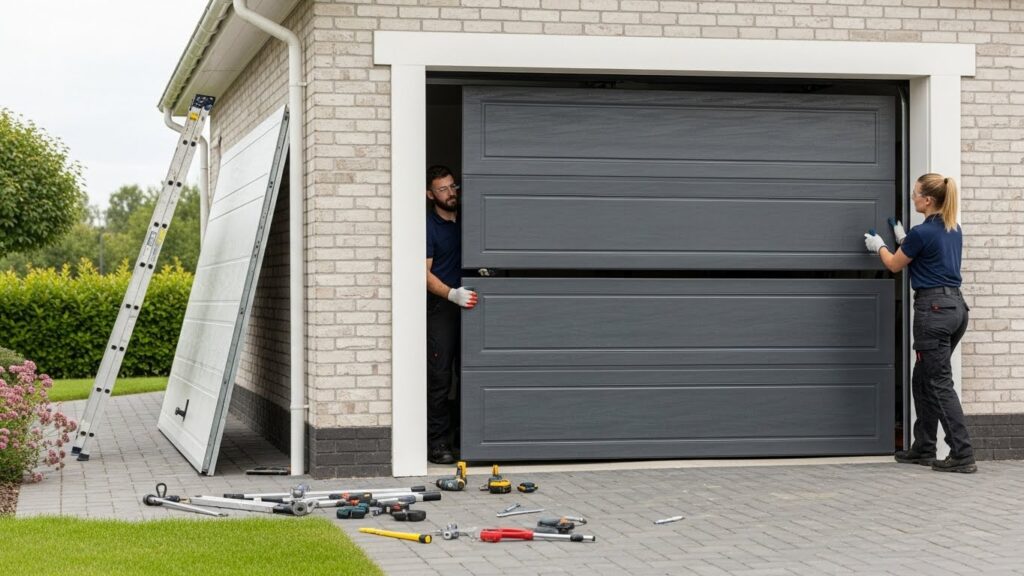
A reliable garage door is a harmony of parts working together under weight, tension, and frequent daily use. In Palm Beach County, the right components also need to meet wind and impact expectations while resisting humidity and salt air. Whether you are planning targeted upgrades or preparing for a full system replacement, this guide explains the major parts, how they interact, and what to look for when selecting components—starting with a professional garage door replacement consultation that maps parts and features to your goals.
Door sections and skins
The visible face of the door is made of sections that articulate as the door moves. Common materials include steel, composite, aluminum, fiberglass, and wood. Multi-layer construction can include insulation and internal reinforcement to improve rigidity and reduce noise. In coastal environments, finishes and coatings that resist corrosion and UV exposure are valuable.
Insulation and internal reinforcement
Insulation contributes to comfort and stiffness. Options range from polystyrene to polyurethane cores. Reinforcement with struts and heavy-gauge hardware helps the door resist wind pressures and provides a solid feel during operation. Impact-rated window inserts are available to maintain strength where glass is desired.
Tracks and brackets
Tracks guide the door along the opening and into the horizontal position overhead. Quality tracks are precisely aligned, securely anchored, and sized to match the door’s radius and headroom. Brackets and fasteners must be appropriate for local code, ensuring that the system remains stable during high winds.
Rollers and hinges
Rollers ride inside the tracks and are essential for quiet, smooth motion. Options include nylon, steel, and sealed-bearing designs. Hinges connect sections and are chosen to match door weight and expected use. Upgraded rollers and hinges can significantly reduce noise and improve longevity.
Springs and torsion system
The torsion system applies counterbalance so the door lifts smoothly and safely. Springs are engineered for cycle life and door weight. Because springs are under high tension, adjustments and replacements must be performed by trained professionals. A properly balanced door protects the opener from strain and ensures predictable travel.
Cables, drums, and shafts
Cables carry the door’s weight as it moves, winding around drums attached to a torsion shaft. These components must be sized and installed precisely. Routine inspections help catch fraying or wear before it becomes a safety concern.
Weather seals and thresholds
Bottom seals, perimeter weatherstripping, and optional thresholds help keep out drafts and moisture while delivering a finished look. In humid climates, quality seals also help defend against pests and debris.
Openers and drive systems
Openers power daily access and shape your experience every time you return home. Belt-drive systems offer quiet performance; chain drives are rugged and widely used; direct-drive options minimize vibration. Consider LED lighting, battery backup, soft start/stop movement, rolling-code security, and smart connectivity to monitor and operate your door remotely.
Controls, sensors, and smart features
Wall consoles, keypads, remotes, and photo eyes coordinate safe, convenient operation. Smart hubs and apps allow you to check door status, receive alerts, and share temporary access securely. Proper alignment of safety sensors is essential to prevent unintended contact with objects, pets, or people.
Hurricane reinforcement and local code
In Palm Beach County, components must work together to meet wind-load and, where applicable, impact requirements. Reinforced struts, upgraded tracks, heavy-duty fasteners, and proper anchoring contribute to a system that is both beautiful and resilient. Window sections should use appropriate glazing and framing for storm conditions.
When to replace parts versus the entire system
Some issues are solved with targeted component upgrades, while others point to a full replacement. For example, worn rollers, frayed cables, or a noisy opener can often be addressed individually. However, aging sections, outdated wind ratings, or persistent balance problems may signal that a comprehensive upgrade is the smarter long-term choice.
Compatibility and system design
Components must be matched carefully to the door’s weight, size, and intended use. Mixing parts without regard to specifications can lead to noisy operation, uneven wear, or safety risks. A cohesive system—tracks, springs, rollers, opener—works in harmony for reliable performance.
Corrosion resistance and finish durability
Salt air and humidity challenge metal components. Look for galvanized or coated hardware, sealed bearings, and finishes formulated for coastal conditions. Rinsing exterior surfaces periodically can help maintain appearance.
Maintenance tips for longevity
- Inspect rollers, hinges, and seals periodically and listen for unusual sounds.
- Keep photo eyes clean and aligned to maintain safety.
- Wipe down exterior sections with mild cleaners compatible with the finish.
- Schedule professional tune-ups to check balance and hardware integrity.
- Avoid DIY spring adjustments; high tension requires trained service.
Midway checkpoint: parts that influence daily comfort
If your primary goal is a quieter, smoother door, focus on insulated sections, high-quality rollers, correct spring balance, and belt-drive openers. To see how these pieces come together in a cohesive project, review what a full garage door replacement can include—measurement accuracy, hurricane reinforcement, clean installation, and a clear walkthrough.
Popular upgrades that add value
- Insulated, multi-layer sections for stiffness and sound control.
- Impact-rated windows to combine daylight with storm readiness.
- Battery backup for uninterrupted operation during outages.
- Heavy-duty rollers and quiet hinges for smoother movement.
- Smart access controls and alerts for convenience and peace of mind.
Frequently asked questions
Q: How do I choose the right rollers?
A: Look for rollers with sealed bearings sized for your door’s weight and intended use. Nylon rollers often reduce noise compared to basic steel designs.
Q: What makes a torsion spring “correct” for my door?
A: Springs are selected based on door weight, height, and drum size. Proper balance allows the door to stay in place at mid-travel and reduces strain on the opener.
Q: Can I replace a single damaged section?
A: Sometimes, depending on availability and color match. If sections are discontinued or the system is aging, a comprehensive upgrade may be the better long-term approach.
Q: What are signs my opener needs attention?
A: Excessive noise, inconsistent travel, flickering lights, or frequent reversals. Some issues can be resolved with adjustments; others suggest an upgrade.
Q: How do I maintain weather seals?
A: Inspect for cracking or gaps, clean with mild soap and water, and replace when wear is visible to maintain a good seal.
Q: Are impact-rated windows necessary?
A: In many coastal areas, yes. They provide added durability and can be matched to local requirements while enhancing design.
Q: What is the benefit of battery backup?
A: It allows the door to operate during power interruptions and improves access during storms.
Q: How often should I schedule a tune-up?
A: Many homeowners schedule annual or as-needed service to check balance, rollers, hinges, and seals.
Q: Can I upgrade parts on an older door to make it quieter?
A: Upgraded rollers, proper lubrication, balanced springs, and a belt-drive opener can make a noticeable difference.
Q: What should I consider for coastal corrosion resistance?
A: Coated hardware, sealed bearings, and routine rinsing of exterior surfaces help maintain performance and appearance.
Confident upgrades start with a plan
Whether you are refreshing key components or preparing for a comprehensive upgrade, choosing parts that work together will deliver the smooth, quiet, and storm-ready performance you expect. When you are ready to align products with your home’s needs and local requirements, schedule a professional garage door replacement. The right plan brings together quality components, precise installation, and long-term support you can count on.