
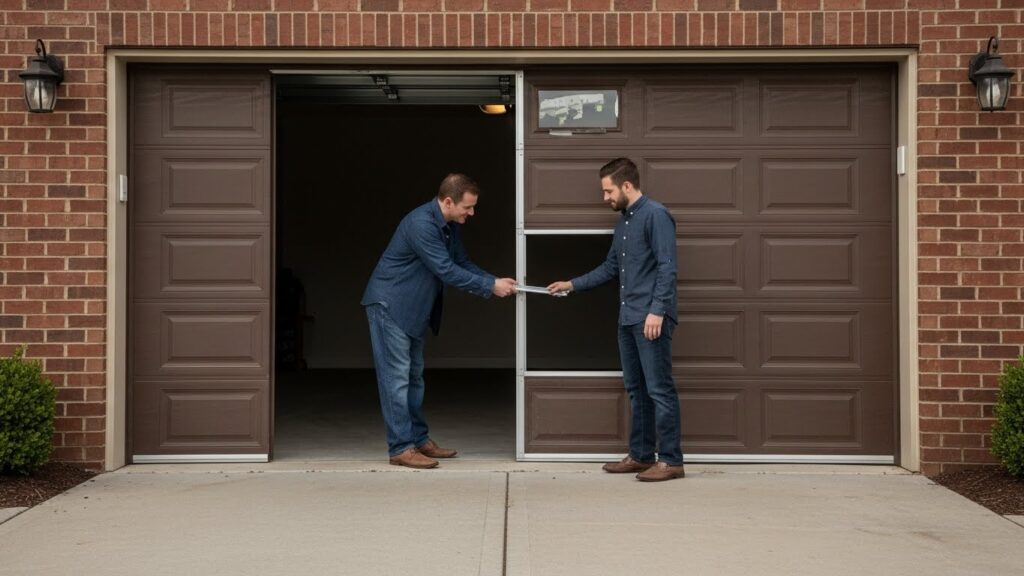
Knowing exactly what to expect from start to finish can turn a complex project into a smooth, predictable experience. In Palm Beach County, garage door replacement involves careful measurement, wind-load and impact considerations, permitting where required, and a detail-oriented installation day. This guide walks you through the process so you can prepare your space, set a realistic timeline, and feel confident every step of the way—beginning with a professional garage door replacement consultation to align goals, features, and scheduling.
Step 1: Discovery and planning
Start by identifying your goals. Are you seeking quieter operation, storm resilience, a new look, or all three? Make a short list of must-have features and nice-to-have upgrades. Think about maintenance preferences, such as insulated multi-layer construction or composite finishes for coastal conditions.
Step 2: Site assessment and measurement
A professional visit includes precise measurements of width, height, headroom, side room, and backroom. The technician evaluates framing, header condition, slab level, and any obstructions like ductwork or shelving. This step ensures the correct track configuration and hardware selection, and it informs how the opener will be positioned for optimal travel and clearance.
Step 3: Product selection and configuration
With measurements in hand, you will review materials, styles, finishes, and window options. Palm Beach County homes often benefit from wind-rated doors with reinforced struts and heavy-duty tracks. If you want natural light, consider impact-rated glass and frame finishes. For openers, compare belt-drive, chain-drive, or direct-drive systems, plus smart connectivity, lighting, and battery backup.
- Design choices: Panel profile, color, faux-wood finishes, and decorative hardware.
- Performance choices: Insulation level, roller quality, and reinforcement packages.
- Convenience choices: Smart controls, integrated lighting, and quiet operation.
Step 4: Permitting and scheduling
Depending on your municipality and project scope, permits and inspections may be required. Your installer can coordinate these steps and provide documentation. Once approvals and product orders are in motion, you will set an installation date and review how to prepare your garage for a safe, efficient workday.
Step 5: Pre-installation preparation
Before the crew arrives, clear vehicles and storage from the work area and provide access to power outlets. If you have pets or children, plan to keep them away from the workspace. This helps the team work efficiently and minimizes disruptions.
Step 6: Removal of the existing door
The team will safely disengage the opener, release tension from springs using specialized tools, and remove sections, tracks, and hardware. Proper handling prevents damage and ensures a clean opening for the new system. Responsible disposal keeps your property tidy.
Step 7: Installing the new door and hardware
Sections are set, leveled, and braced. Tracks are aligned and anchored to framing with appropriate fasteners. The torsion system is configured to match the door’s weight and width, and rollers and hinges are installed for smooth travel. Weather seals are added to help control drafts and achieve a finished look.
Step 8: Opener setup and safety checks
The opener is mounted to achieve straight, balanced travel. Travel limits and force settings are dialed in, and photo eyes are aligned. The team performs multiple test cycles, checking for smooth operation, reliable reversal when obstructed, and quiet movement. If you chose smart controls, they will be connected to your network, and you will learn how to use the app and features.
Step 9: Final walkthrough
Before the crew departs, you will receive a demonstration of manual release, keypad entry (if installed), and daily operating tips. You will also review maintenance basics, such as gently cleaning door surfaces, inspecting seals, and scheduling tune-ups.
Quality markers you should see on installation day
- Accurate, repeatable movement through multiple cycles.
- Clean hardware alignment and smooth transitions across section joints.
- Quiet operation with minimal vibration.
- Proper weather sealing and neat finishing details.
- Clear explanations and thorough documentation for future reference.
Mid-project considerations
At any point, ask questions about wind-load compliance, reinforcement, and track configuration. If site conditions reveal surprises—such as out-of-level floors—the installer should explain adjustments and options. As a checkpoint, compare your experience against what is included in a full-service garage door replacement offering: measurement accuracy, code compliance, clean removal, careful installation, and a confident walkthrough.
Aftercare: protecting your investment
Long-term reliability comes from a bit of routine care. Wipe down exterior finishes, check the bottom seal, and keep photo eyes clean. Listen for changes in sound or speed, which can indicate the need for a tune-up. Avoid adjusting springs yourself; high tension requires trained service.
Enhancements that elevate daily use
- Insulated, multi-layer doors for rigidity and noise control.
- Heavy-duty rollers and reinforced hinges for smoother, longer-lasting travel.
- Battery backup and smart controls for resilience and convenience.
- Impact-rated windows to balance daylight with storm readiness.
Frequently asked questions
Q: How long does the installation take once scheduled?
A: Many standard residential projects are completed within a day, barring complex framing or custom configurations. Lead times for products and permits vary by selection and municipality.
Q: How do I choose the right door for storm conditions?
A: Work with your installer to match wind-load and impact ratings to your location and exposure. Reinforcement, hardware quality, and proper anchoring are key.
Q: Will the crew remove my old door and clean up?
A: Yes. Professional services include safe removal and tidy disposal, plus cleanup of work areas.
Q: Can I reuse my existing opener?
A: If it is compatible and in good condition, perhaps. Many homeowners upgrade to enjoy quieter operation, battery backup, and smart features.
Q: What should I do to prepare for installation day?
A: Clear the work area, provide access to power, and secure pets and children away from the workspace.
Q: Are insulated doors necessary in our climate?
A: Insulation adds rigidity and helps moderate temperatures, which can improve comfort and reduce noise—especially for attached garages.
Q: What maintenance is required after installation?
A: Clean surfaces, check weatherstripping, and schedule periodic tune-ups. Leave spring adjustments to professionals.
Q: How do inspections work if permits are required?
A: Your installer coordinates inspection timing and documentation. You may need to be available to provide access.
Q: What if I have limited headroom?
A: Low-headroom track systems and careful opener placement can accommodate tight spaces while preserving smooth operation.
Q: Can I add windows to my door?
A: Yes. Impact-rated options are available to meet both aesthetic and storm-readiness goals.
Ready for a smooth upgrade
Replacing your garage door should be an organized, confidence-building experience. When you are ready to elevate curb appeal, everyday convenience, and storm readiness, schedule your professional garage door replacement with a trusted local team. You will enjoy clear communication, careful installation, and a beautiful result that performs every day.